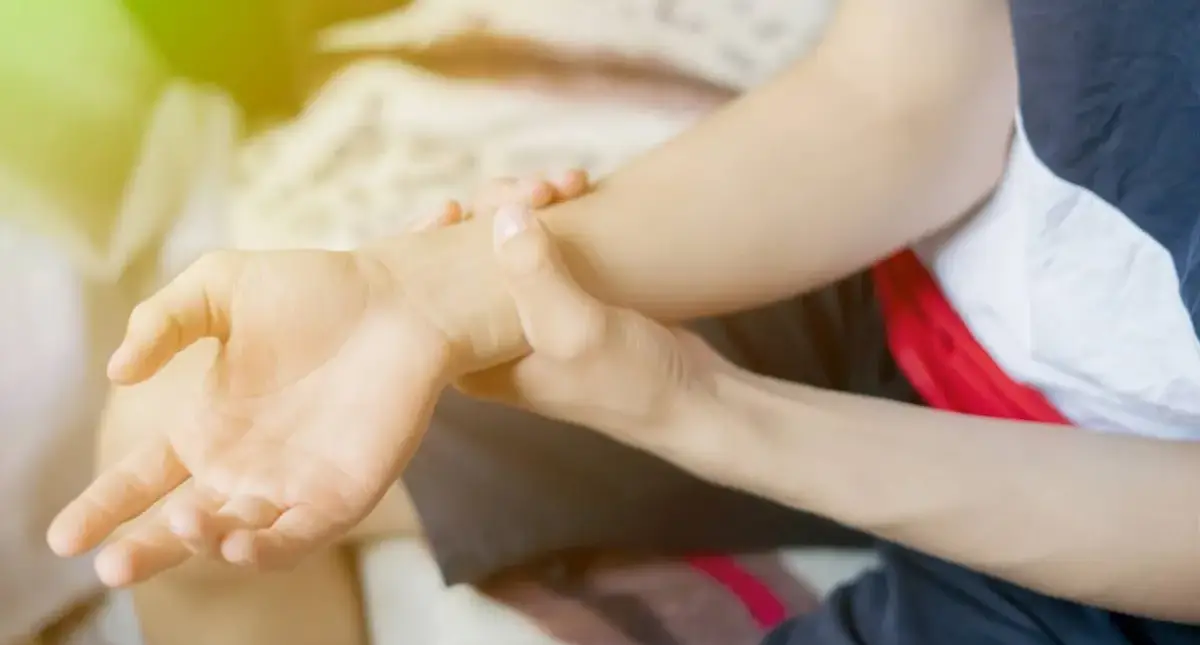





If your child keeps shaking out their hand, complains that their fingers feel “tingly,” or starts dropping objects for no obvious reason, it can be hard to know what’s normal and what deserves a closer look. While carpal tunnel syndrome is usually associated with adults, kids can get carpal tunnel too—especially when there is repetitive wrist strain or another factor that increases pressure on a nerve in the wrist.
The good news is that most cases start with mild, manageable symptoms and respond well to conservative care. The key is recognizing the pattern early and making sure the symptoms are truly coming from the carpal tunnel (and not another nerve problem higher up the arm or neck).
What Carpal Tunnel Syndrome Actually Is
Carpal tunnel syndrome happens when the median nerve is compressed at the wrist. The median nerve passes through a small passageway called the carpal tunnel, which is formed by wrist bones and a thick band of tissue (the transverse carpal ligament). Flexor tendons that move the fingers also travel through this tight space.
When the tissues in or around the tunnel become irritated or swollen—or if the tunnel is crowded for structural reasons—pressure builds. That pressure affects the median nerve and can lead to numbness, tingling, pain, and, in more advanced cases, weakness.
The median nerve supplies sensation to the thumb, index finger, middle finger, and part of the ring finger. That distribution is one of the biggest clues that symptoms may be carpal tunnel rather than a general hand strain.
Signs and Symptoms of Carpal Tunnel in Kids
Children do not always describe nerve symptoms clearly. Instead of saying “numbness,” they might report a weird feeling, burning, buzzing, or “pins and needles.” Some kids only notice it at night or after longer periods of device use, homework, or sports.
Common signs parents may notice include:
- Tingling or numbness in the thumb, index, or middle finger
- Hand or wrist discomfort that flares with repetitive activity
- Night symptoms such as waking up with a numb hand or needing to shake the hand to relieve it
- Clumsiness (dropping items, trouble with zippers/buttons, messy handwriting that is new)
- Weakness—often most noticeable at the thumb (pinching, gripping, opening lids)
Symptoms that repeatedly wake a child from sleep, interfere with schoolwork, or change how they use their hand during sports and play deserve an evaluation rather than waiting indefinitely.
Why Carpal Tunnel Can Happen in Children
In adults, carpal tunnel often develops gradually from years of repetitive use combined with age-related changes. In children, it is less commonly “wear and tear” and more often tied to a specific trigger that irritates the tendons or changes the space inside the carpal tunnel.
Repetitive Wrist and Hand Use
Repetitive motion can still play a role in kids, particularly when the wrist is held in a flexed (bent) or extended position for long stretches. Common examples include prolonged gaming, heavy phone/tablet use, frequent typing/trackpad use, and some musical instruments or hobbies that demand sustained hand positioning.
Repetition does not automatically mean carpal tunnel. But if symptoms predictably show up during or after certain activities, it can be a meaningful clue.
Prior Wrist Injury
A previous wrist fracture or significant sprain can contribute by causing lingering swelling, scarring, or subtle anatomic changes that crowd the tunnel. If symptoms started after a fall or injury—even if the injury was months ago—make sure to mention it during your visit.
Inflammation, Fluid Retention, or Other Medical Drivers
Some medical conditions are associated with inflammation, swelling, or nerve sensitivity, which can make nerve compression more likely. If your child has an underlying condition and develops hand tingling or weakness, it is worth discussing early so the evaluation looks beyond “overuse” alone.
Symptoms That Are Not Really Carpal Tunnel
Not every numb hand is carpal tunnel. Similar symptoms can come from nerve irritation elsewhere, including a pinched nerve in the neck or upper back, or other peripheral nerve issues in the arm. If symptoms travel above the wrist, involve the pinky finger, or come with neck/shoulder pain, the workup may include considering other sources and discussing options for pinched nerve treatment when appropriate.
Practical Ways to Reduce Symptoms at Home
If symptoms are mild and intermittent, a few changes at home can reduce flare-ups by limiting prolonged pressure on the wrist.
- Build in short, frequent breaks during repetitive activities (a minute or two can help)
- Avoid prolonged bent-wrist positions; aim for a neutral, straight wrist during gaming/typing
- Loosen the grip on controllers, pencils, tools, or sports equipment
- Check posture during device use (shoulders back, elbows supported when possible)
- Gentle stretching of the forearm and hand between activities
These steps can help calm irritation, but they are not a substitute for a medical evaluation when symptoms are persistent, worsening, or affecting function.
Carpal Tunnel Treatment Options for Children
When carpal tunnel is suspected, treatment generally starts conservatively. The goal is to take pressure off the median nerve, reduce inflammation, and correct the activity pattern that is contributing to symptoms.
Conservative (Non-Surgical) Treatment
Depending on your child’s symptoms and exam findings, treatment may include:
- Activity modification to reduce repetitive strain and sustained wrist bending
- Wrist bracing, often at night, to keep the wrist in a neutral position and reduce nerve pressure during sleep
- Medication to reduce inflammation and discomfort when appropriate and safe for your child
Many cases improve with these measures over time. If symptoms are stable and improving, continuing conservative care may be reasonable under medical guidance.
When Surgery Might Be Discussed
If symptoms do not improve after a thoughtful course of conservative treatment—or if there is significant weakness, worsening function, or evidence of meaningful nerve compression—carpal tunnel release surgery can be considered. The procedure reduces pressure by releasing the tight tissue over the tunnel.
Surgery is not the first step for most children, and it is only recommended when the expected benefits outweigh the risks. When surgical care is appropriate, it generally falls under the umbrella of peripheral nerve surgery, with an emphasis on protecting nerve function and restoring comfortable hand use.
When to Get a Specialist Evaluation
Brief tingling after a long practice or screen-heavy day can happen. What raises concern is a pattern that keeps returning, starts happening at night, or changes how your child uses their hand.
Consider scheduling an evaluation if your child has:
- Symptoms lasting longer than two to three weeks
- Nighttime numbness that disrupts sleep
- New weakness, clumsiness, or frequent dropping of objects
- Worsening tingling/numbness or pain that is spreading
- A history of wrist injury with new or recurrent symptoms
An experienced specialist can examine the hand and wrist, review contributing activities and injuries, and determine whether symptoms fit carpal tunnel or another nerve condition.
Finding the Best Carpal Tunnel Release Surgeon in Los Angeles
When a child’s nerve symptoms affect sleep, school, sports, or confidence using their hand, families often want two things: a careful diagnosis and a plan that starts with the least invasive options. At Yashar Neurosurgery, Parham Yashar, MD evaluates hand numbness, tingling, and weakness with an emphasis on clear explanations and appropriate next steps—whether that means conservative care, monitoring, or discussing procedural options within peripheral nerve surgery.
If you are concerned that your child may have carpal tunnel syndrome or another nerve issue, call (424) 209-2669 or request a consultation at Yashar Neurosurgery in Los Angeles to understand what is causing the symptoms and what treatment makes sense.