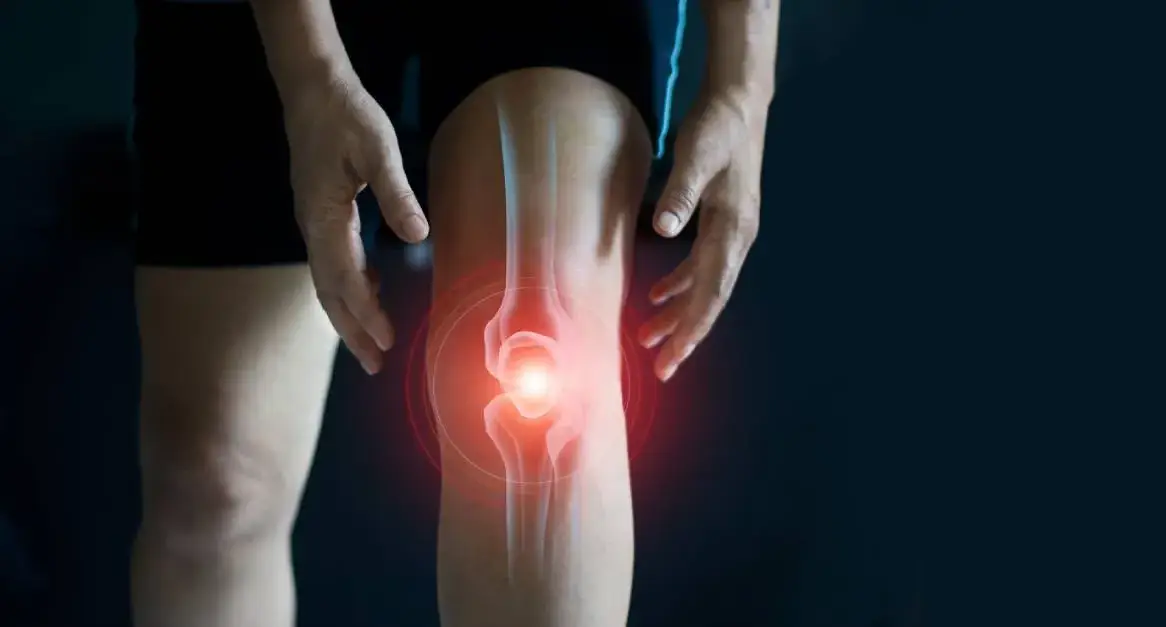





You may feel it first when you stand up after sitting: a tight, achy low back that takes a minute to loosen up. Or maybe it’s your neck—stiff after driving—or your hands—sore when gripping a steering wheel or opening a jar. When those “little” aches start shaping your day, it’s reasonable to ask a bigger question: can osteoarthritis be reversed?
For most people, osteoarthritis (OA) can’t be fully reversed in the sense of restoring worn cartilage back to its original condition. But that is not the same as “nothing can help.” A thoughtful plan can often reduce pain, improve movement, and slow flare-ups—especially when osteoarthritis affects the spine and irritates nearby nerves.
Below is a clear, patient-focused explanation of what osteoarthritis is, what doctors mean by “reversal,” and which treatments tend to make the biggest difference.
What Osteoarthritis Is and Why It Tends to Progress
Osteoarthritis is a wear-and-tear type of arthritis. In a healthy joint, cartilage acts like a smooth, slippery cushion that helps bones glide without friction. With OA, that cartilage gradually breaks down. As the cushioning thins, the joint can become irritated and inflamed, which leads to stiffness, pain with activity, and reduced range of motion.
In the spine, osteoarthritis often involves the facet joints—the small paired joints in the back of the spine that help guide motion. As facet joints become arthritic, the body may respond by laying down extra bone at the joint margins, sometimes forming bone spurs. These changes can contribute to localized neck or back pain and, in some cases, narrow spaces around the nerves.
If you want a deeper overview of evaluation and treatment options, you can also review our page on osteoarthritis treatment.
Can Osteoarthritis Be Reversed?
In most cases, osteoarthritis is not considered reversible. Current treatments focus on managing symptoms and function rather than reliably regrowing joint cartilage back to “new.” OA also tends to develop over years, which is why it commonly feels like it slowly “creeps up” over time.
Still, many patients improve significantly. Depending on which joint is involved and what is driving the pain, treatment may help you:
- Move with less stiffness when getting out of bed, standing from a chair, or starting a walk
- Reduce flare-ups so pain is less frequent or less intense
- Improve mobility and endurance for daily activities like errands, exercise, and travel
- Address related spine problems when arthritic changes irritate or compress nerves
A key point: successful care is less about “erasing” OA on an X-ray and more about identifying what is actually generating your symptoms (joint inflammation, muscle imbalance, mechanical overload, nerve irritation, or a combination).
Symptoms People Commonly Write Off (but Shouldn’t Ignore)
Osteoarthritis symptoms can be easy to dismiss at first, especially if they come and go. Common signs include:
- Stiffness in the morning or after sitting, often in the neck or lower back
- A deep, aching pain that worsens with standing, walking, bending, lifting, or prolonged driving
- Tenderness around a painful joint
- Reduced range of motion (turning your head, bending, reaching overhead, gripping)
- Grinding or clicking in a joint during movement
When osteoarthritis affects the spine, symptoms can overlap with conditions caused by narrowing around nerves. For example, arthritic changes and bone spurs can contribute to spinal stenosis. People often describe leg heaviness or cramping with walking, numbness or tingling, or pain that radiates into an arm or leg—especially if nerves are involved.
What Causes Osteoarthritis and Who Is at Higher Risk?
Osteoarthritis is usually multifactorial. It can be influenced by time, joint mechanics, prior injury, and how forces travel through your body day to day. Common risk factors include:
- Age-related changes in joint cartilage and supporting tissues
- Previous injuries from sports, work, or accidents
- Repetitive strain and long-term joint loading
- Genetics and natural joint shape/alignment
- Muscle weakness or imbalance that increases stress on certain joints
In the spine, osteoarthritis frequently coexists with other degenerative changes such as degenerative disc disease. When multiple changes show up on imaging, a useful evaluation focuses on which finding matches your symptoms and exam—not just what appears on the report.
Treatments That Often Help the Most (without Surgery)
Most people with osteoarthritis start with non-surgical care. The goal is to calm pain enough to restore movement and rebuild support around the painful area.
Physical Therapy That Targets Mechanics (Not Just Generic Exercise)
A strong physical therapy plan is customized. It may include mobility work for tight areas, strengthening for weak muscle groups, and movement retraining for everyday tasks like bending, lifting, standing, and walking. For spine arthritis, core, hip, and postural strength often help reduce stress on painful facet joints and improve tolerance for daily activity.
Low-Impact Activity to Reduce Stiffness
When you hurt, it’s natural to guard and move less. Unfortunately, less movement can increase stiffness and deconditioning. Many patients do well with low-impact options like walking, swimming, or cycling—so long as the activity does not consistently worsen symptoms. The goal is consistency rather than intensity.
Medication and Topicals for Flare Management
Anti-inflammatory medications and topical options can help reduce pain during flare-ups so you can sleep, move, and participate in therapy. Because these medications can carry risks and interact with other conditions, they should be guided by a clinician who knows your medical history.
Joint Support, Ergonomics, and Small Daily Changes
Supportive tools can be surprisingly helpful when used correctly: shoe inserts, a brace, a cane for longer distances, or workstation adjustments that reduce strain. If hand pain is a major issue, larger-grip utensils and tools can reduce stress during daily tasks.
Nutrition and Weight Management
Nutrition cannot “cure” osteoarthritis, but it can support overall health and inflammation management. For weight-bearing joints, even modest weight loss may reduce mechanical load and improve symptoms. Dietary changes work best when paired with a realistic movement plan.
When Procedures or Surgery May Be Considered
If osteoarthritis pain remains limiting after a well-executed course of conservative care, it may be time to look deeper—especially if symptoms suggest nerve irritation or compression. In spine-related osteoarthritis, nerve-related symptoms can develop when arthritic overgrowth, thickened tissues, or bone spurs narrow the spaces nerves travel through.
After an exam and imaging review, a specialist may discuss additional options, which can include image-guided injections or, in select cases, surgical treatment aimed at relieving nerve pressure. When surgery is appropriate, the goal is to address the structural cause of symptoms while preserving as much normal anatomy and function as possible. You can learn more about treatment approaches on our spine surgery page.
Seek urgent medical evaluation if you develop red-flag symptoms such as new or worsening weakness, significant balance changes, rapidly progressing numbness, or bowel/bladder control changes.
Osteoarthritis Care in Los Angeles at Yashar Neurosurgery
Arthritis may be common, but your pain pattern is personal—and the right plan starts with a precise diagnosis. At Yashar Neurosurgery, Parham Yashar, MD evaluates osteoarthritis-related neck and back pain with an emphasis on identifying the true pain generator and matching treatment to your goals. When non-surgical care is not enough and a structural spine problem is driving symptoms, Dr. Yashar also offers minimally invasive spine surgery options when appropriate.
If you’re searching for the best minimally invasive spine surgeon in Los Angeles for osteoarthritis-related back or neck pain, our team can help you understand what’s happening and what your next steps could be. To schedule an evaluation at our office at 8436 W. 3rd Street, Suite 800, Los Angeles, CA 90048, call (424) 209-2669.