




You notice one shoulder sits higher in photos. Your child’s shirts suddenly hang unevenly. Or you have a nagging, one-sided back ache that shows up after standing in line, walking the dog, or driving across Los Angeles traffic. Those small clues often lead to a bigger question: can scoliosis be prevented—or at least kept from getting worse?
Scoliosis is not simply “bad posture.” It’s a three-dimensional change in spinal alignment that can range from mild and barely noticeable to more significant curves that affect comfort, stamina, and (in advanced cases) chest mechanics. The good news is that even when scoliosis can’t be prevented outright, there are practical steps that can reduce the chance of progression and help you stay active and confident in your plan.
If you’re trying to place your symptoms in context, our spine conditions hub is a helpful starting point for understanding common diagnoses that can overlap with scoliosis-related back pain.
What Scoliosis Is (and Why Posture Usually Isn’t the Cause)
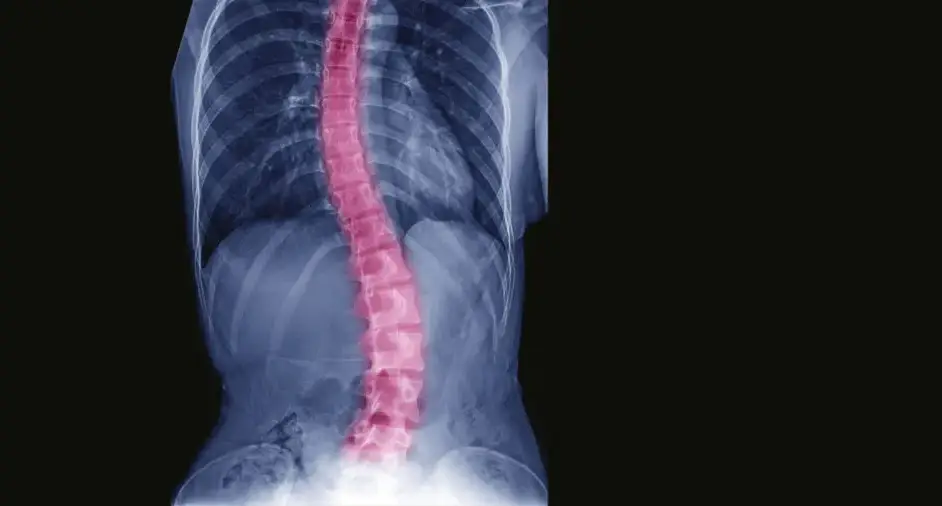
Scoliosis means the spine curves sideways and also rotates, often creating a “C” or “S” shape when viewed from behind. That rotation is part of why scoliosis can change the appearance of the ribs, waistline, or shoulder blades.
Many people assume scoliosis comes from slouching, heavy backpacks, or poor desk setup. Those factors can contribute to muscle strain and poor conditioning, but they do not typically create a structural scoliosis curve. Improving posture can help you feel better and move more efficiently, but it does not “straighten” a true scoliosis curve on its own.
There are different categories of scoliosis, including:
- Adolescent idiopathic scoliosis (most common): the curve appears around puberty and the exact cause isn’t fully understood.
- Adult scoliosis: sometimes a curve carried over from youth, and sometimes a newer curve related to age-related disc and joint wear (degenerative scoliosis).
- Neuromuscular scoliosis: associated with conditions affecting muscle control and tone.
Can Scoliosis Be Prevented?
In most idiopathic cases, scoliosis cannot be reliably prevented because there is no single behavior, exercise, or supplement that has been proven to stop it from developing. What you can influence is the risk of progression and the impact scoliosis has on daily life.
For many patients and parents, the most useful way to think about “prevention” is:
- Preventing progression during growth (kids and teens), when curves can change more quickly.
- Preventing avoidable disability (adults), by treating pain drivers, maintaining strength and mobility, and addressing nerve symptoms early.
That is why early detection and appropriate monitoring matter. A small curve may only need observation, while a curve that is changing can call for bracing (in select growing children) or other interventions.
What Causes Scoliosis and Who Is at Risk?
Idiopathic scoliosis, by definition, has no single confirmed cause. Still, clinicians do recognize patterns that help estimate risk and guide follow-up.
Commonly recognized contributors and associations include:
- Family history: scoliosis can run in families, which is why pediatric screening and routine checkups can be helpful when a parent or sibling has a curve.
- Growth spurts: curves discovered in late childhood or adolescence are watched more closely because progression risk can increase during rapid growth.
- Neuromuscular conditions (for example, cerebral palsy or muscular dystrophy): these can change muscle balance and spine support.
- Spinal trauma, infection, or other structural changes: less common, but sometimes relevant depending on history.
In adults, scoliosis symptoms can also be influenced by related issues such as disc degeneration, arthritic facet joints, or narrowing around the nerves. That’s one reason adult scoliosis care often focuses on both alignment and pain generators.
Early Signs and Symptoms That Deserve an Evaluation
Scoliosis is frequently noticed first by appearance rather than pain. Signs that justify a medical evaluation include:
- Uneven shoulders or a “tilted” neckline in shirts
- One shoulder blade that sticks out more
- Uneven hips or a shifted waistline
- A torso that seems to lean slightly to one side
Symptoms vary. Some people have no pain at all, while others develop fatigue and soreness because the muscles are working unevenly to keep the body balanced. In adults, scoliosis can also coexist with nerve irritation.
Symptoms that may occur as curves become more pronounced or as the spine ages include:
- Back pain or aching that increases with prolonged standing or walking
- Muscle tightness on one side of the back
- Feeling “crooked” or uneven when you walk or stand
- Leg pain, numbness, or tingling (more common in adults when nerves are irritated)
Seek prompt medical attention for new or worsening weakness, significant balance changes, or bowel or bladder control problems. Those symptoms are not typical “simple scoliosis” complaints and can suggest nerve or spinal cord involvement that needs timely evaluation.
What You Can Do at Home (and What Typically Won’t Change the Curve)
It’s understandable to want something you can do today to “fix” scoliosis. While exercise usually won’t reverse a structural curve, it can make a meaningful difference in how your back feels and functions.
At-home strategies that commonly help include:
- Core and hip strengthening to improve spinal support and reduce fatigue
- Mobility and stretching to address asymmetrical tightness
- Low-impact conditioning (walking, swimming, cycling) to maintain endurance without flaring pain
What tends to disappoint patients is expecting general fitness alone to stop a curve from progressing in a growing child, or to correct an established adult curve. When progression risk is a concern, it’s better to use exercise as one part of a medically guided plan rather than the entire plan.
Treatment Options for Scoliosis: from Monitoring to Surgery
Scoliosis treatment is based on the curve type, magnitude, symptoms, and (in children and teens) how much growth remains. The goal is usually to keep the curve from worsening, reduce pain, and protect function over time.
Observation and Imaging Follow-up
Mild curves may only need periodic follow-up visits and imaging, particularly during growth spurts. Monitoring helps confirm whether the curve is stable or changing, which directly affects treatment decisions.
Physical Therapy and Non-Surgical Symptom Relief
Physical therapy can improve strength, movement mechanics, and tolerance for daily activities. For adults, additional non-surgical options may include anti-inflammatory medications, targeted injections for inflammation or nerve irritation, and activity modifications that reduce flares without stopping you from living your life.
Bracing (Most Often for Growing Children)
Bracing may be recommended for certain children and adolescents who are still growing and have curves with a higher risk of progression. A brace is designed to help control worsening during growth; it does not erase the curve, and it requires appropriate fit and follow-up to be effective.
When Surgery May Be Considered
Surgery may be discussed for larger curves, curves that continue to progress, or cases where scoliosis contributes to significant pain, functional limitation, or neurologic symptoms. The exact procedure depends on anatomy and goals, and any surgical decision should include a clear review of alternatives, expected recovery, and risk.
You can explore a broader overview of options on our spine surgery page. When appropriate, less disruptive techniques may be part of the discussion, including minimally invasive spine surgery for select conditions and surgical goals.
When to See a Spine Specialist
Schedule an evaluation if you notice visible asymmetry, a known curve that seems to be changing, or back pain that persists despite rest and basic self-care. For kids and teens, earlier evaluation can open the door to more options because growth-related progression is a major factor in planning.
It’s also reasonable to seek a specialist opinion if you’ve already had imaging but the report doesn’t match your symptoms, or if you want clarity on whether a curve is truly progressing and what that means for the next one to two years.
Finding a Scoliosis Specialist in Los Angeles
Scoliosis care works best when you have a clear diagnosis, a plan for monitoring, and a straightforward explanation of which treatments are likely to help in your situation. At Yashar Neurosurgery, Parham Yashar, MD takes a patient-centered approach—reviewing your symptoms and imaging carefully, discussing conservative options when appropriate, and outlining surgical choices only when the benefits outweigh the risks.
If you’re searching for the best minimally invasive spine surgeon in Los Angeles for a scoliosis evaluation or second opinion, contact Yashar Neurosurgery to schedule a consultation.