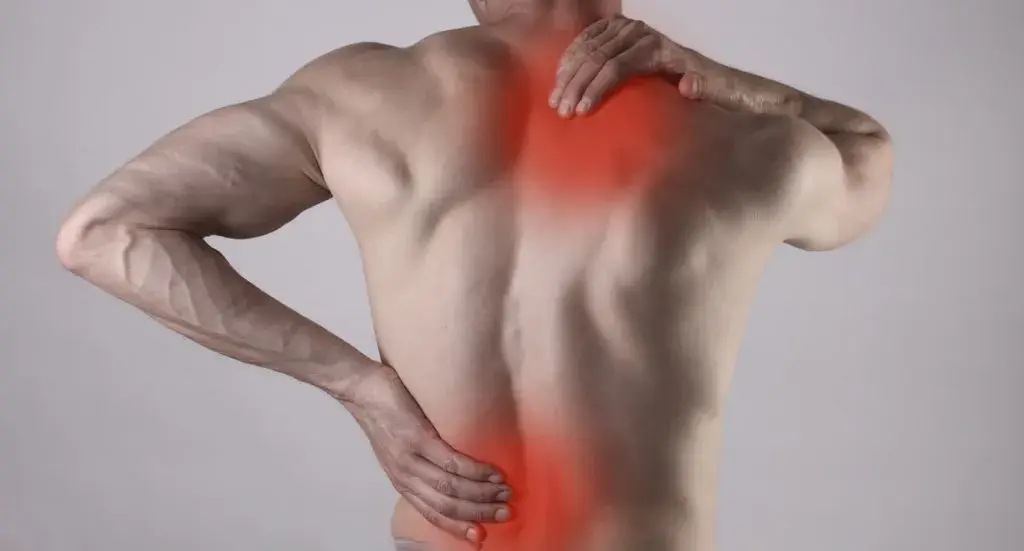





You bend to lift a laundry basket, twist to reach into the back seat, or stand up after a long meeting—and your back suddenly “locks up.” The pain can feel like a hard knot or cramp that makes it difficult to straighten up, walk normally, or even take a deep breath. If you are searching for the causes of back spasms, you are likely trying to answer two practical questions: Why did this happen, and how do I keep it from happening again?
A back spasm is often your body’s way of guarding an irritated area. Sometimes the trigger is a simple muscle strain that settles with basic care. Other times, recurrent spasms are the first clue that a disc, joint, or spinal nerve is being stressed. This guide explains the most common causes, what symptoms to take seriously, and what treatment typically looks like—from home care to specialist evaluation.
What Back Spasms Actually Are
A back spasm is an involuntary contraction of one or more muscles along the spine. It may come on suddenly or build over hours, and it can last seconds, minutes, or longer. Many people describe a spasm as:
- A tight band across the lower back
- A sharp “grab” with movement
- Stiffness that makes standing upright difficult
- Soreness that lingers after the muscle relaxes
Spasms are a symptom, not a diagnosis. The muscle is reacting to something—overload, inflammation, joint irritation, or occasionally nerve compression. The job of an evaluation is to identify what is driving the muscle to guard in the first place.
Common Causes of Back Spasms
Many spasms start with a clear event—lifting, bending, or an awkward movement. Others reflect a problem that has been developing gradually. Common causes include:
Muscle Strain or Ligament Sprain
This is one of the most frequent triggers. A strain can occur after lifting something heavy, lifting with poor form, sudden twisting, or returning to exercise after time off. Even small, everyday movements (like bending and twisting at the same time) can overload tissues when you are fatigued or deconditioned.
Overuse, Prolonged Sitting, and Deconditioning
When core and hip strength are not supporting the spine well, smaller stabilizing muscles can become overworked and spasm. Long stretches of sitting, poor ergonomics, and minimal movement throughout the day can also make the low back more reactive—especially when you suddenly ask it to do more (like yard work on the weekend).
Disc Irritation or Herniation
Spinal discs sit between the vertebrae and act like cushions. If a disc is irritated, bulging, or herniated, surrounding muscles may tighten to protect the area. Disc-related pain is more concerning when it is paired with nerve symptoms such as tingling, numbness, or pain traveling into the buttock or down the leg. If you have had recurring episodes or persistent pain, learning about degenerative disc disease treatment can help you understand how disc wear-and-tear may contribute over time.
Arthritis and Facet Joint Inflammation
The small joints in the back of the spine (facet joints) can become inflamed or arthritic and trigger protective muscle tightening. This is often felt as localized low back stiffness that flares with certain movements, especially twisting or extension (leaning backward). You can read more about evaluation and options for osteoarthritis treatment.
Bone Spurs and Other Degenerative Changes
Over time, arthritic changes can lead to bone spurs that irritate nearby joints or narrow the spaces where nerves travel. Not all bone spurs cause symptoms, but when they do, the pain pattern often becomes more persistent than a simple strain. Learn more about bone spur treatment.
Spinal Stenosis (Narrowing Around the Nerves)
Some patients notice spasms along with heaviness, cramping, numbness, or pain in the legs that worsens with standing or walking and improves with sitting or leaning forward. That pattern can be consistent with spinal stenosis. Spasms may be part of the body’s attempt to stabilize a spine that feels irritated or compressed.
One episode does not automatically mean something serious is going on. But if spasms keep returning—or if the pattern is changing—getting clarity can prevent months of recurring flares.
Symptoms That Help You Tell Muscle Spasm from Nerve Pain
Back spasms can exist on their own or occur alongside nerve irritation. Symptoms commonly reported with spasms include:
- Sudden tightening that makes it hard to stand up straight
- Sharp pain when bending, twisting, or getting up from a chair
- Stiffness when walking, climbing stairs, or rolling in bed
- Soreness that persists after the spasm eases
Symptoms that suggest you may also have nerve involvement include:
- Pain traveling into the buttock, hip, or down the leg
- Numbness or tingling in the leg or foot
- Weakness (for example, the foot “slapping” when you walk or trouble rising onto your toes)
Nerve-related symptoms do not automatically mean surgery, but they do change what should be evaluated and how treatment is prioritized.
How Back Spasms Are Evaluated
A careful evaluation starts with your history and a focused physical exam. Details that often matter most include:
- What you were doing when the pain started
- Whether pain stays in the back or radiates into the leg
- What makes symptoms worse (standing, walking, bending, coughing) and what relieves them (rest, leaning forward, heat)
- How long the episode lasts and how often it returns
- Any prior injuries, surgeries, or known spine conditions
If symptoms suggest an underlying structural problem—especially if pain is persistent, recurrent, or accompanied by neurologic symptoms—imaging such as an MRI may be recommended. The goal is not to chase every MRI finding. It is to match imaging to your symptoms so treatment targets the true pain generator.
How to Get Relief from a Back Spasm (and What to Avoid)
Many spasms improve with conservative care, particularly when you start early and avoid re-injury. Common strategies include:
Gentle Movement Instead of Prolonged Bed Rest
It is natural to want to stay still, but long periods of immobility can increase stiffness and keep the muscle guarded. Short walks, gentle position changes, and light stretching (within tolerance) often help the spasm release.
Heat or Ice
Ice may feel better in the first day or two if the area feels inflamed. Heat often helps when the muscle feels tight and “knotted.” Many people alternate the two and use whichever provides more relief.
Over-The-Counter Medication (When Appropriate)
If medically safe for you, over-the-counter anti-inflammatory medication may help reduce pain and inflammation. If you have kidney disease, a history of ulcers/bleeding, are on blood thinners, or have other concerns, check with your clinician first.
Soft Tissue Techniques
Gentle self-massage or a brief professional massage can decrease muscle tension for some people. Avoid aggressive pressure if it sharply worsens pain or triggers radiating symptoms.
Physical Therapy for Recurring Spasms
If spasms keep returning, physical therapy is often one of the most effective ways to prevent repeat episodes. A strong program focuses on core stability, hip strength and mobility, posture and lifting mechanics, and a gradual return to activity so your back is not forced to “guard” during normal life.
If an underlying spine condition is contributing, the next step may include targeted non-surgical care and, for select patients, procedural or surgical options. You can explore the spectrum of care through our spine surgery page, including when minimally invasive spine surgery may be considered to address nerve compression while aiming for less tissue disruption and faster recovery.
When to See a Specialist for Back Spasms
A single spasm after overdoing it is common and often improves. It makes sense to seek a specialist evaluation sooner when:
- Spasms are recurring, lasting longer, or becoming more intense
- Pain is limiting work, sleep, driving, or walking
- You have radiating leg pain, numbness/tingling, or weakness
- Home care has not led to meaningful improvement
- You have a known spine condition and your symptoms are changing
More urgent evaluation is recommended if you develop progressive weakness, new loss of bladder or bowel control, numbness in the groin/saddle area, fever with back pain, or significant pain after a fall or accident.
Finding Back Spasm Care in Los Angeles at Yashar Neurosurgery
Back spasms can be a short-lived strain—or the first sign that a disc, arthritic joint, bone spur, or compressed nerve is being irritated. The most helpful step is an evaluation that connects what you feel to a clear diagnosis and a practical plan, starting with conservative options and escalating only when it fits your situation.
If you are looking for the best minimally invasive spine surgeon in Los Angeles to evaluate recurrent back spasms, leg symptoms, or chronic back pain, Parham Yashar, MD and the team at Yashar Neurosurgery provide patient-centered assessments and modern treatment options. To schedule an appointment at our Los Angeles office, call (424) 209-2669.