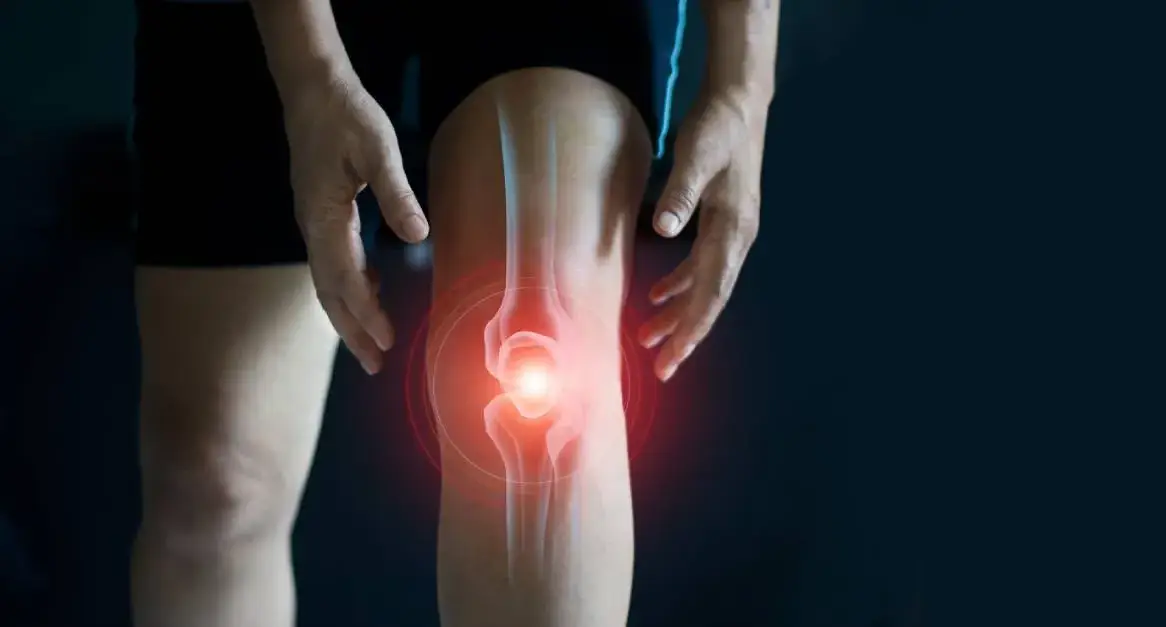





You may feel it first in the quiet moments: the stiff first steps out of bed, the ache that shows up after a long drive, or the low back pain that flares when you stand at the kitchen counter. When those patterns repeat, it is easy to blame “getting older.” But they can also be common symptoms of osteoarthritis—especially when the small joints of the spine are involved.
If you are searching for osteoarthritis treatment in Los Angeles, the most helpful first step is not guessing what to do next—it is identifying what is actually generating your pain. Osteoarthritis can cause localized joint pain, but in the spine it can also contribute to bone spurs and narrowing that irritate nearby nerves. This guide explains what osteoarthritis is, the early warning signs patients notice most, and the treatment options a spine specialist may recommend.
What Osteoarthritis Is (and What It Means in the Spine)
Osteoarthritis (OA) is a wear-and-tear form of arthritis that develops when the smooth cartilage covering a joint gradually breaks down. Cartilage is meant to reduce friction and distribute force. As it thins, the joint becomes more irritated and less efficient, which can lead to pain and stiffness.
In the spine, OA most commonly affects the facet joints—the small joints in the back of the spine that guide motion when you bend, rotate, and extend your neck or lower back. Over time, the body can respond to joint irritation by forming extra bone around the joint. Those changes are often discussed in the context of osteoarthritis treatment and may overlap with other degenerative conditions, including degenerative disc disease treatment.
OA is common, but pain is not “all in your head,” and it is not something you need to simply tolerate. Many patients improve with a plan that targets the real pain generator—joint inflammation, muscle guarding, nerve irritation, or a combination.
Common Symptoms of Osteoarthritis
Osteoarthritis symptoms can build slowly, and they do not look the same for everyone. Some people have mild symptoms that come and go for years. Others notice a more abrupt change after an injury or after months of repetitive physical strain.
Deep Aching Pain That Worsens with Use
OA pain often feels like a deep ache rather than a sharp “electric” pain. In the spine, it commonly worsens with prolonged standing, bending backward, twisting, lifting, or doing chores that keep you in one position (like cooking or washing dishes). Many patients describe good days and bad days, with symptoms flaring after activity and easing with rest.
Stiffness After Rest (Often Worst in the Morning)
Stiffness is one of the most recognizable osteoarthritis symptoms. You might feel “rusty” when you wake up, or stiff after sitting through a meeting, a movie, or a long commute. This stiffness often improves as you move around, but it can return later in the day if the joint becomes irritated again.
Swelling, Tenderness, or Localized Soreness
In joints like the knee or hand, OA-related inflammation may create visible swelling. In the spine, swelling is harder to see, but you may notice tenderness over a specific area, a puffy or inflamed feeling, or tight muscles around the painful segment. That tightness can be your body’s way of “guarding” a sore joint.
Reduced Range of Motion and Flexibility
As the joint becomes irritated and movement becomes uncomfortable, many people unconsciously avoid certain motions. Over time, that can lead to less flexibility and less confidence with movement. In daily life, this may look like trouble turning your head while driving, difficulty bending to tie shoes, or feeling stuck when trying to stand up straight after leaning forward.
Grinding, Clicking, or a “Creaky” Sensation
Some people notice grinding or crackling with movement (often called crepitus). Noise by itself is not usually an emergency, but it becomes more meaningful when it comes with pain, swelling, or loss of function.
When Osteoarthritis Symptoms Suggest Nerve Involvement
People often think osteoarthritis equals “joint pain only.” In the spine, OA can also contribute to bone spurs and narrowing around nerves. When nerves are irritated or compressed, symptoms may shift from localized discomfort to radiating or neurologic symptoms.
Signs that deserve a focused spine evaluation include:
- Pain that travels into the buttock, hip, or leg
- Numbness or tingling in the arms, hands, legs, or feet
- Weakness, heaviness, or cramping with walking
- Balance changes, hand clumsiness, or trouble with fine motor tasks (especially when the neck is involved)
These patterns can overlap with spinal stenosis, which is a narrowing of spaces in the spine that can compress nerves or the spinal cord. The reason this matters is simple: treatment choices differ when symptoms are primarily joint-based versus nerve-based.
Why Osteoarthritis Develops and Who Is More Likely to Get It
Age-related wear is a major factor in osteoarthritis, but it is not the only one. OA often reflects how a joint has been loaded and stressed over time. Risk factors that may increase the likelihood of developing OA or developing more noticeable symptoms include:
- Natural wear and tear in weight-bearing joints and the spine
- Prior injuries (sports injuries, falls, or car accidents) that change joint mechanics
- Repetitive strain from work demands or long-term high-impact activity
- Genetics and family history
- Alignment and posture issues that increase stress on specific spinal segments
In many patients, OA is part of a broader degenerative picture that can include disc height loss and bone spur treatment discussions if spurs are contributing to pain or nerve irritation.
Osteoarthritis Treatment Options That Can Reduce Symptoms
Osteoarthritis cannot be reversed, but symptoms can often be reduced. Treatment is usually stepwise—starting with conservative options and escalating only if needed—based on your exam, imaging (when appropriate), and how symptoms are affecting your life.
Physical Therapy, Mobility Work, and Core Strength
Physical therapy is often a strong first-line approach for spine-related osteoarthritis. A good program can improve mobility, retrain posture and movement patterns, and strengthen the core and hip muscles that reduce strain on painful facet joints. The goal is not to “push through” pain—it is to move in a way that calms irritation and improves stability.
Medication and Anti-Inflammatory Strategies
Depending on your medical history, a specialist may discuss anti-inflammatory medications or other pain-relief options to help manage flares. These do not change the underlying arthritis, but they can make everyday movement and rehabilitation more tolerable.
Targeted Injections When Inflammation Is a Key Driver
For some patients, injections can reduce inflammation enough to improve function and participation in therapy. The right injection depends on the suspected pain generator (for example, a painful joint versus inflammation around a nerve). A specialist can talk through what an injection can and cannot do and whether it fits your situation.
Non-Operative Pain Tools (Including Tens)
Some people benefit from non-invasive options such as TENS therapy, which uses low-voltage electrical stimulation to help interrupt pain signaling. These tools tend to work best as part of a broader plan that also addresses mobility, strength, and the mechanical contributors to pain.
When Surgery Enters the Conversation
Surgery is not the first-line treatment for osteoarthritis. It may be considered when symptoms are persistent and clearly linked to a structural issue—such as nerve compression from degenerative changes—that is unlikely to improve with conservative care.
When surgery is appropriate, the goal is to address the pain source as directly as possible, which may include techniques within minimally invasive spine surgery when a minimally invasive approach fits the problem and anatomy. Your surgeon should explain the rationale for any procedure, expected recovery, and alternatives based on your imaging and functional goals.
When to See a Spine Specialist for Osteoarthritis Symptoms
Consider an evaluation if pain or stiffness is changing what you can do—walking for exercise, sleeping comfortably, sitting through work, driving, or lifting and carrying without hesitation.
It is also wise to seek prompt medical care if you develop radiating pain, numbness, tingling, weakness, worsening walking tolerance, or balance changes. A thorough visit typically includes a detailed history, a neurologic and musculoskeletal exam, and imaging when it will meaningfully clarify the cause and guide treatment.
Osteoarthritis Treatment in Los Angeles at Yashar Neurosurgery
Osteoarthritis can shrink your world in subtle ways: fewer walks, more careful movements, and constant mental math about what will trigger a flare. At Yashar Neurosurgery, Parham Yashar, MD takes a diagnosis-first approach—clarifying whether symptoms are coming from arthritic joints, discs, bone spurs, or nerve compression—and then outlining practical options that fit your life. When procedures are indicated, we also offer the full spectrum of spine surgery, including minimally invasive approaches when appropriate.
If you are looking for osteoarthritis treatment in Los Angeles and want a clear explanation of what is causing your symptoms and what can realistically help, call (424) 209-2669 or request a consultation at Yashar Neurosurgery in Los Angeles.