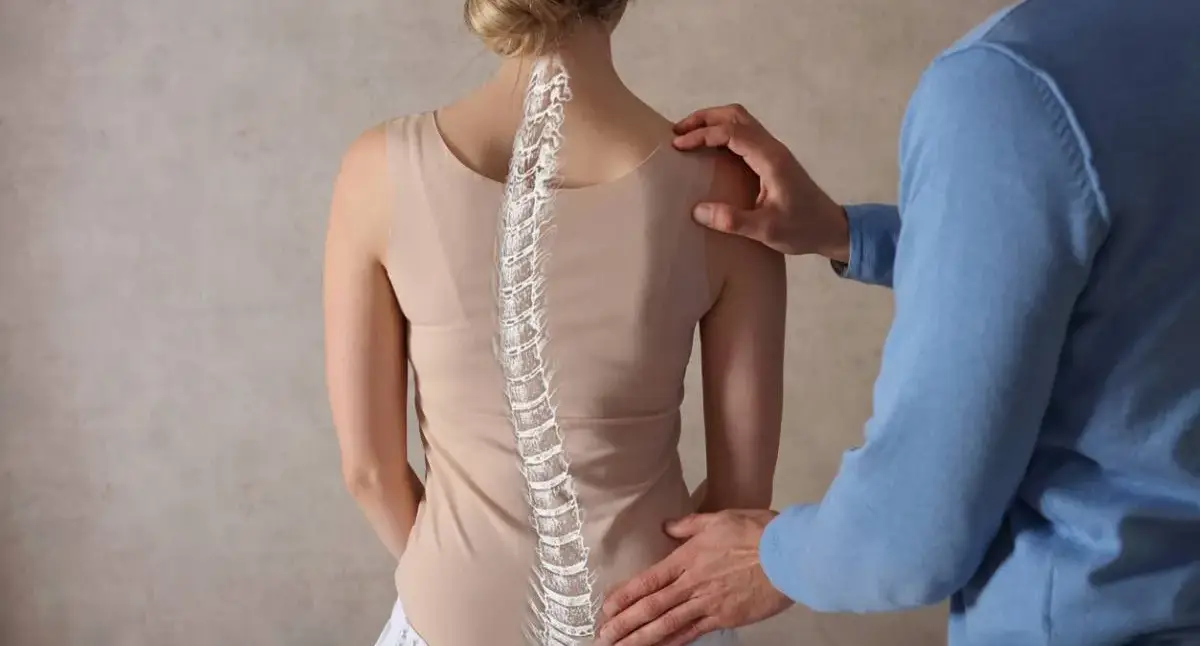





If leg pain is making it hard to walk the grocery store aisles, or hand numbness is waking you up at night, it is unsettling to hear the word “surgery.” Many people ask the same question early in the process: is spinal decompression safe, and how do you lower the odds of complications?
The reassuring part is that spinal decompression is a commonly performed category of procedures, and for the right diagnosis it can reliably reduce pressure on irritated nerves. The most important safety factor is not a single device or technique—it is choosing the right operation for the right problem, at the right spinal level, with a clear plan for recovery.
What Spinal Decompression Is (and What It Is Not)
Spinal decompression is an umbrella term for treatments that create more space around the spinal cord or nerve roots. When those structures are squeezed, they can send pain, tingling, or weakness into an arm or leg.
Decompression is not meant to “clean up” every age-related change seen on an MRI. Many people have bulging discs or arthritis on imaging and feel fine. A thoughtful plan focuses on the specific spot where pressure is causing symptoms and limiting daily function.
Common conditions that may lead to nerve compression include:
- Spinal stenosis, where the spinal canal or nerve passageways narrow
- Herniated discs that irritate or compress a nerve root
- Degenerative disc changes that reduce the “breathing room” for nerves
- Bone spurs from arthritis that crowd the nerve pathway
- Injury-related swelling or alignment changes that pinch nerves
Symptoms That Often Improve After Decompression
Most patients do not pursue decompression because of a report—they pursue it because their body is not cooperating. Symptoms that commonly point to nerve compression include pain that travels, numbness, and weakness that changes how you move.
Depending on the level of the spine involved, symptoms may include:
- Radiating arm or leg pain that feels sharp, electric, or burning
- Numbness or tingling in the hand, fingers, foot, or toes
- Weakness (dropping objects, difficulty pushing off when walking, trouble climbing stairs)
- Back or neck pain that worsens with standing, walking, or repetitive activity
- Trouble with balance or coordination when the spinal cord is involved in the neck
If you notice rapidly worsening weakness, new trouble walking, or new bowel or bladder control problems, that can signal more significant nerve or spinal cord compression and should be evaluated urgently.
Why Nerves Get Pinched in the First Place
Your nerves run through bony tunnels and openings that do not have much extra space. Over time, several “small” changes can add up—disc bulging, arthritic joints, thickened ligaments, or bone spurs—until a nerve becomes irritated or compressed.
In the lower back, that irritation often shows up as sciatica-like symptoms. If your main issue is pain traveling from the low back into the buttock and down the leg, it can help to review options for sciatica treatment, because the safest procedure depends on what is actually causing the leg pain (disc material, stenosis, or a narrowed nerve exit).
In the neck, compression can affect a nerve root (arm pain and hand tingling) or, in some cases, the spinal cord (clumsiness, balance changes, or weakness). That difference matters because it changes urgency and the type of decompression considered.
How Surgeons Decide Whether Decompression Is the Right Step
Spinal decompression is safest when there is strong alignment between three things: your symptoms, your physical exam, and your imaging. A careful evaluation helps avoid operating at the wrong level—or operating when the pain generator is not actually coming from the spine.
Depending on your situation, your evaluation may include:
- Imaging (MRI, X-ray, and sometimes CT) to see disc, bone, and nerve anatomy
- Electrodiagnostic testing such as EMG and nerve conduction studies when the source of symptoms is unclear
- Selective injections in certain cases to help confirm which structure is generating pain
If your symptoms and imaging do not match, a good next step is often clarification—not rushing into surgery. That might mean additional imaging, a second read, or a different treatment plan entirely.
Non-Surgical Options to Consider First (When Appropriate)
Not every pinched nerve needs an operation. When symptoms are tolerable, strength is stable, and there are no red flags, many patients start with conservative care to reduce inflammation and improve mechanics while the nerve calms down.
Non-surgical treatment may include:
- Physical therapy focused on posture, core strength, and nerve-friendly movement
- Anti-inflammatory medications when medically appropriate
- Activity modification with a guided return to walking and exercise
- Injections in select cases to reduce inflammation and help you participate in rehab
- Adjunct therapies such as acupuncture or hands-on work for muscle spasm and pain control
If pain keeps returning, you cannot walk or stand for meaningful periods, or weakness progresses, decompression may be discussed to address the structural cause of the problem.
Common Types of Spinal Decompression Surgery
“Spinal decompression surgery” is not one operation. The safest approach is the one that removes only what may be needed to free the nerve while protecting stability and healthy tissue.
Examples include:
- Discectomy, which removes the portion of disc pressing on a nerve (read more about spinal discectomy surgery)
- Foraminotomy, which enlarges the opening where a nerve root exits the spine (see lumbar foraminotomy)
- Laminotomy, which removes a small portion of bone/ligament to create more room in the spinal canal (see lumbar laminotomy)
- Cervical laminectomy and foraminotomy to relieve pressure in the neck when nerves or the spinal cord are crowded (see cervical laminectomy and foraminotomy)
Sometimes decompression is combined with other procedures if stability is a concern. Your surgeon should be able to explain what is being removed, what is being protected, and how the plan connects directly to your symptoms.
Is Spinal Decompression Safe? Risks and How They Are Reduced
Spinal decompression is generally considered safe when performed for an appropriate indication by an experienced spine surgeon. Still, “safe” does not mean “risk-free,” and it is reasonable to ask what complications look like in real life.
Potential risks can include:
- Infection
- Bleeding
- Blood clots
- Anesthesia-related complications
- Nerve irritation or injury, which can contribute to persistent numbness, weakness, or pain
- Spinal fluid leak in certain decompression procedures
- Partial symptom improvement, especially if a nerve has been compressed for a long time
In practical terms, safety improves when the diagnosis is precise, the operation is targeted to the correct level, and the plan uses the least disruptive approach that can reliably decompress the nerve. When appropriate, minimally invasive spine surgery techniques may reduce muscle disruption and support a smoother early recovery, though not every case is a fit for a minimally invasive approach.
What Recovery Can Look Like After Decompression
Recovery varies based on the type of decompression, the number of spinal levels treated, and your baseline conditioning. Many patients notice improvement in radiating arm or leg pain relatively early, while numbness and weakness often take longer because nerves heal slowly.
Post-op care commonly includes:
- Early walking and gradual increases in activity
- Short-term limits on bending, twisting, and heavy lifting depending on the procedure
- Physical therapy when appropriate to rebuild strength and improve movement patterns
- Follow-up visits to monitor wound healing, function, and neurologic recovery
Before you schedule surgery, ask what the surgeon expects to improve first, what may take more time, and what symptoms would be considered abnormal during recovery.
Finding the Best Spinal Decompression Surgeon in Los Angeles
If your symptoms are interfering with walking, standing, driving, sleeping, or working—or if you are noticing weakness—an in-person evaluation can help you understand what is causing the problem and whether decompression is even the right category of treatment.
If you are looking for the best spinal decompression surgeon in Los Angeles, focus on a specialist who can explain your MRI in plain language, correlate it to your exam, discuss non-surgical options honestly, and recommend a specific decompression procedure only when it fits your diagnosis and goals.
At Yashar Neurosurgery, Parham Yashar, MD takes a patient-centered approach that starts with clarity: what is being compressed, why it is happening, and what options make sense for your lifestyle. When surgery is appropriate, Dr. Yashar emphasizes precise, anatomy-matched decompression and uses minimally invasive strategies when they are the right tool for the job. To discuss your symptoms and get a personalized plan, schedule a consultation at our Los Angeles office or call (424) 209-2669.