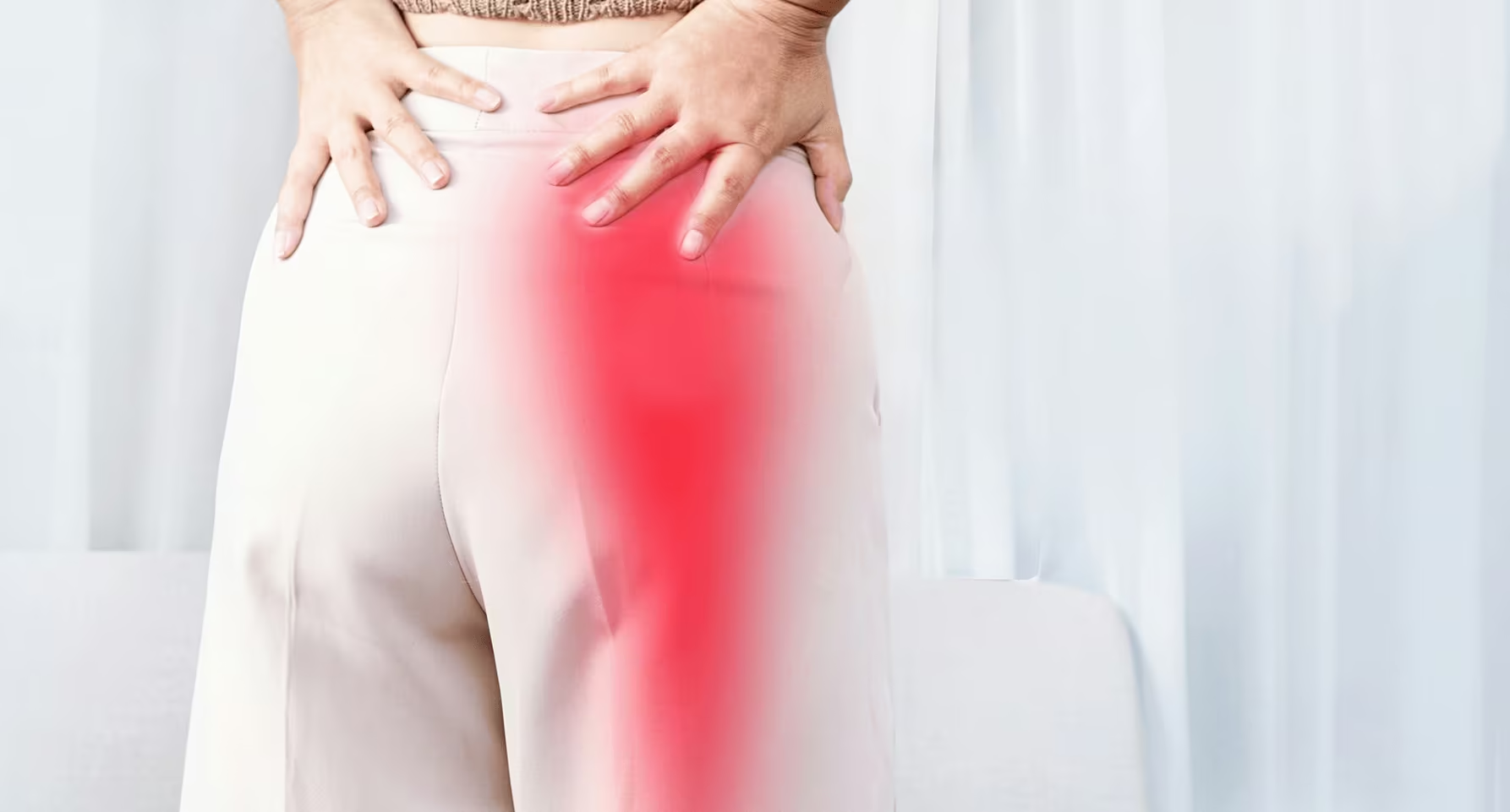





Hot, electric pain down the leg can make sitting, standing, or walking hard. Many people assume that any pain that travels from the lower back into the buttock or leg is related to sciatica pain, but sciatica is a symptom, not a full diagnosis. Spinal stenosis, a condition affecting over 100 million people, can cause similar pain and other symptoms, which is why the two conditions can be easily confused.
Read on to learn how the symptoms of sciatica and spinal stenosis overlap, what causes each condition, and when it’s time to see the best minimally invasive spine surgeon in Los Angeles for treatment.
What are the Main Differences Between Sciatica & Spinal Stenosis?
Sciatica and spinal stenosis can feel almost the same, including a shock-like or burning low back pain that travels through the buttocks and down one leg. The key difference is that sciatica describes a specific pain pattern, while spinal stenosis describes one possible cause of that pain.
- Sciatica is a pain pattern originating from a nerve in the lower back that is irritated or squeezed, which can send sharp, burning, or shock-like pain through the buttock and down one leg.
- Spinal stenosis happens when the space inside the spine becomes too narrow, which can press on the nerves that travel into the legs.
This means spinal stenosis can cause sciatica-like pain, but a herniated disc, bone spur, or other spine problem can cause it too. People with sciatica may feel.
How Do the Symptoms Feel Different?
Sciatica often feels like a sharp line of pain that shoots from the lower back into one side of the buttock, thigh, calf, or foot. It may flare when you sit, bend, cough, or sneeze. Spinal stenosis often feels more like aching, cramping, heaviness, numbness, or weakness in the legs, especially when you stand or walk.
What Causes Sciatica and Spinal Stenosis?
Sciatica usually starts when something irritates or compresses a nerve root in the lower spine. A herniated disc is one common cause, especially when the soft center of a spinal disc pushes outward and presses near a nerve. Bone spurs, disc wear, arthritis, and inflammation can also play a role.
Spinal stenosis is often linked to age-related changes in the spine, including thickened ligaments, arthritis, bone overgrowth, and disc degeneration. These changes can slowly narrow the spinal canal or the small openings where nerves leave the spine. The symptoms overlap because both problems can involve pressure on the same nerves, even when the reason for that pressure is different.
How Are Sciatica and Spinal Stenosis Diagnosed?
When evaluating your pain, the best spine surgeon in Los Angeles starts by asking where the pain starts, where it travels, what makes it worse, and what helps it calm down. A thorough physical exam can check your strength, reflexes, sensation, walking pattern, and range of motion.
Imaging, often with an MRI, can also help show whether a disc, bone spur, or narrowed spinal canal is pressing on a nerve. Getting the right diagnosis matters because the best treatment for a herniated disc may be different from the best treatment for spinal stenosis in Los Angeles.
When Are Conservative Treatments Enough?
Many people start with nonsurgical care, especially when symptoms are mild, stable, or improving. This may include:
- Physical therapy
- Stretching
- Anti-inflammatory medicine
- Activity changes
- Weight management
- Steroid injections
- Orthobiologic injections, like PRP
For sciatica, gentle movement often works better than staying in bed for long periods. For spinal stenosis, therapy may focus on posture, core strength, walking tolerance, and positions that reduce nerve pressure. Conservative care may be enough when pain is getting better, leg strength is normal, and symptoms are not taking over daily life. But if pain keeps coming back, walking becomes harder, or numbness and weakness begin to interfere with normal routines, it may be time to consider surgical treatment options.
When Should You See a Spinal Doctor for Sciatica or Spinal Stenosis?
Seeing the best spine surgeon in Los Angeles does not mean you are automatically signing up for surgery. It means getting a more detailed look at the nerves, spine, and treatment options. A neurosurgical evaluation is necessary when:
- Pain lasts despite conservative care
- Symptoms keep worsening
- Leg weakness
- Numbness
- Balance problems
- Reduced walking distance begins to appear
Additionally, there are symptoms that signal a deeper nerve problem that need urgent attention, including:
- New loss of bladder or bowel control
- Numbness in the groin or saddle area
- Sudden leg weakness
- Trouble standing or walking
Surgical Treatment Options for Spinal Stenosis
The main goal of spinal stenosis surgery is to give the nerves more room, which may help reduce leg pain, numbness, weakness, and trouble walking. One common option is a laminectomy, where the surgeon removes part of the bone at the back of the vertebra to relieve pressure on the spinal canal. In some cases, a smaller decompression procedure may be used to remove thickened tissue, bone spurs, or disc material that is crowding a nerve. If the spine is unstable or one vertebra has slipped out of place, a spinal fusion may be recommended along with decompression to help stabilize the area.
The right surgical plan depends on where the narrowing is, how severe the nerve pressure is, and whether the spine remains stable when the pressure is removed. For many patients, meeting with the best spine doctor in Los Angeles is not about rushing into surgery, but rather understanding whether the nerves are at risk and whether surgery could help restore comfort, movement, and confidence in daily life.
Finding the Best Spine Surgeon in Los Angeles for Spinal Stenosis
The symptoms of spinal stenosis or sciatica can cause you to start avoiding things like walking for heart health, standing in line at the grocery store, sitting through a drive to see your grandkids, or sleeping comfortably. When sciatica and spinal stenosis share so many symptoms, guessing is not enough; you need a specialist to give you an accurate diagnosis and offer the best treatment available.
Dr. Yashar is the leading expert in spinal stenosis treatment and sciatica relief, whether your pain is caused by a herniated disc, spinal narrowing, nerve compression, or another spine condition. Dr. Yashar uses a careful diagnostic approach to guide the next step, and offers minimally invasive surgery options whenever appropriate.
Ready to get the most advanced treatments for spinal stenosis or sciatica pain from the best minimally invasive spine surgeon in Los Angeles?