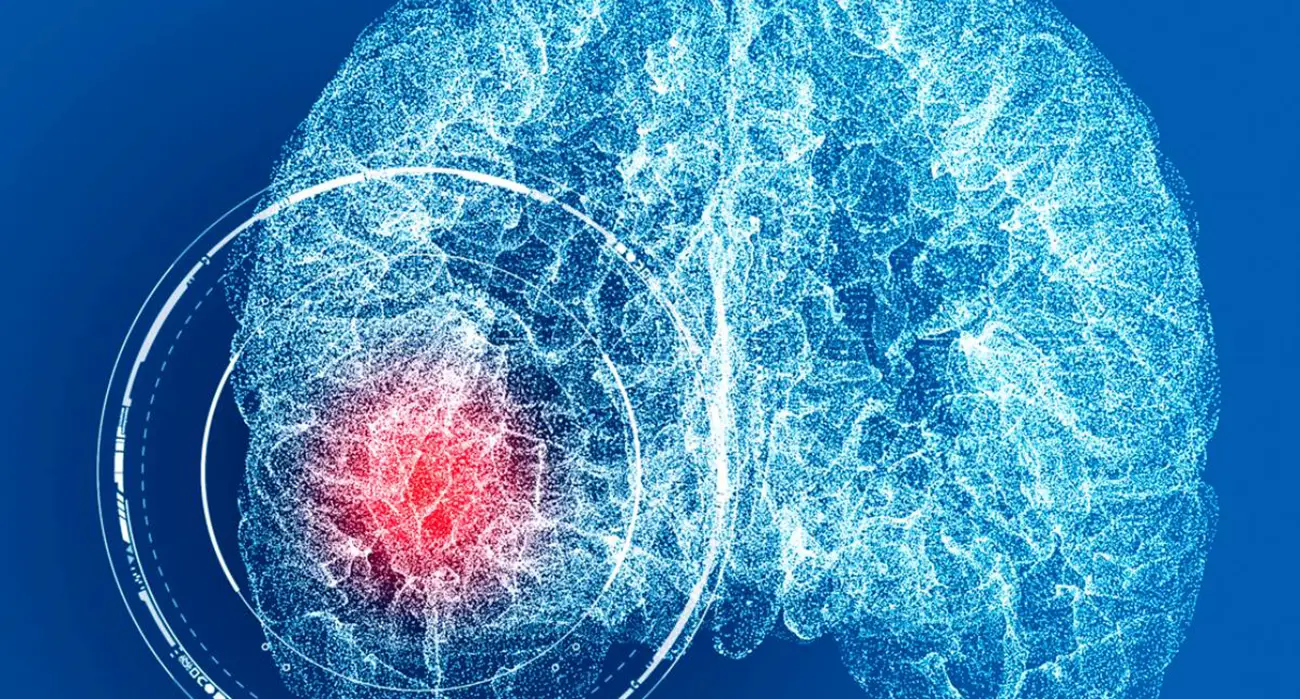





Hearing “brain aneurysm” can instantly change how you interpret every headache, every dizzy spell, and every line of an imaging report. Many people picture a sudden rupture and assume there is only one path forward: emergency surgery. In reality, aneurysms vary widely, and the right next step often starts with a clear explanation of what your scan shows and what your actual risk looks like.
This article walks through the most common myths about aneurysms, what symptoms deserve urgent attention, and how modern brain aneurysm treatment is tailored to the aneurysm’s size, location, and shape—along with your health history and goals.
What a Brain Aneurysm Is (in Plain English)
A brain aneurysm is a weak area in a blood vessel wall that bulges outward under pressure, creating a small “balloon” on the artery. Aneurysms often form where arteries branch, which is a naturally higher-stress point for the vessel wall.
Some aneurysms are found after symptoms, but many are discovered incidentally—meaning the imaging was done for another reason and the aneurysm was an unexpected finding. The key question is not simply whether an aneurysm exists, but whether it is likely to change over time or rupture. That’s what a specialist evaluates using imaging, your medical history, and risk factors.
Myth vs Fact: the Most Common Brain Aneurysm Misunderstandings
Myth #1: “All Brain Aneurysms Burst”
Fact: Many aneurysms never rupture. An unruptured aneurysm may remain stable for years, and in some cases the safest plan is careful monitoring rather than an intervention.
Rupture risk is influenced by factors such as aneurysm size, location, shape (including irregularities), and personal health factors like blood pressure and smoking history. A thoughtful evaluation can replace fear with a specific plan—whether that plan is observation, follow-up imaging, or treatment.
Myth #2: “If It Runs in My Family, It’s Guaranteed I’ll Have One”
Fact: Family history can raise concern, but it is not a guarantee. Genetics may contribute to vessel-wall vulnerability for some people, and aneurysms can also be associated with factors such as uncontrolled high blood pressure or prior trauma.
If you have close relatives with aneurysms or subarachnoid hemorrhage, a specialist can help you decide whether screening makes sense and which imaging test is appropriate. The goal is to reduce uncertainty and address modifiable risks—without assuming the worst.
Myth #3: “a Brain Aneurysm and a Stroke Are the Same Thing”
Fact: They are related, but not the same. A stroke describes an injury to the brain from interrupted blood flow or bleeding. Many strokes are ischemic (from a blockage). A ruptured aneurysm can cause a hemorrhagic stroke (from bleeding), but an aneurysm itself is a blood-vessel abnormality that may never rupture.
That difference matters because the workup, urgency, and treatment options are not identical. If you’ve been told you “had a stroke” or “have an aneurysm” and the explanation feels unclear, it is reasonable to ask for a detailed review of the diagnosis and imaging.
Symptoms and Warning Signs to Take Seriously
Unruptured aneurysms often cause no symptoms. When symptoms do occur, they may result from the aneurysm pressing on nearby nerves, or from bleeding if the aneurysm leaks or ruptures.
Symptoms that can be associated with an aneurysm (especially if new or rapidly worsening) include:
- A sudden, severe headache that feels different from your usual headaches
- Vision changes such as double vision or blurred vision
- Pain around the eye, facial pain, or eye-area pressure
- A drooping eyelid or an enlarged pupil
- Confusion, fainting, or seizure
Stroke symptoms more often include sudden weakness or numbness on one side of the body, facial droop, trouble speaking, or sudden loss of balance. If you suspect aneurysm rupture or stroke, seek emergency care immediately.
Risk Factors Doctors Consider When Estimating Rupture Risk
When a specialist evaluates an aneurysm, they look at the aneurysm itself and the context around it. Two people can have aneurysms of similar size but very different risk profiles.
Factors that commonly increase concern include:
- High blood pressure, especially if not well controlled
- Smoking
- Family history of aneurysms or aneurysm rupture
- Prior aneurysm rupture
- Aneurysm features on imaging such as larger size, irregular shape, or certain locations
Having a risk factor does not mean something bad is about to happen. It means your next steps should be based on a careful review rather than guesswork—particularly if your report includes vague language or you were not given a clear monitoring plan.
Treatment Options: Monitoring, Endovascular Therapy, and Surgery
Brain aneurysm treatment is individualized. The recommendation depends on your aneurysm’s characteristics, your symptoms (if any), your overall health, and how the risks of treatment compare to the risks of observation.
Common options include:
- Observation and monitoring: Some aneurysms are best managed with periodic imaging and risk-factor management (for example, blood pressure control), especially when the aneurysm is small and appears stable.
- Endovascular treatment (minimally invasive): Performed from inside the blood vessels, often through a small catheter. Depending on anatomy, options may include neuroendovascular coiling or flow diversion to reduce blood flow into the aneurysm and lower rupture risk.
- Microsurgical treatment: In selected cases, microsurgical clipping can be recommended to isolate the aneurysm from circulation.
A good consultation should leave you understanding why a specific approach is being recommended for your aneurysm (or why monitoring is appropriate), what the goals are, and what the meaningful risks and recovery expectations look like for that path.
When to See a Specialist (and When to Seek a Second Opinion)
If an aneurysm is suspected or has been found, an expert review can turn a scary report into an actionable plan. It can also prevent unnecessary procedures—or delays—when the situation is more complex than it first appeared.
Consider seeing a neurosurgeon or neuroendovascular specialist if:
- You were told you have a brain aneurysm on CT, MRI, or angiography
- You have a strong family history and want to discuss screening
- You have new or worsening neurologic symptoms (especially severe headache or vision changes)
- You were advised to have surgery but want to understand all reasonable options
- You were told to “watch it” but were not given a clear follow-up plan
If you are actively having stroke-like symptoms or suspect rupture, do not wait for an office visit—seek emergency care.
Brain Aneurysm Care in Los Angeles at Yashar Neurosurgery
Living with uncertainty—wondering if an aneurysm could rupture, whether a headache means something, or whether you truly need a procedure—can be exhausting. The goal of aneurysm care is clarity: a plan that fits the imaging, your risk profile, and your life.
At Yashar Neurosurgery in Los Angeles, Parham Yashar, MD, provides thoughtful evaluation of aneurysms and a full range of treatment planning options across brain surgery, including endovascular and microsurgical approaches when appropriate. If you are looking for the best neuroendovascular surgeon in Los Angeles for an aneurysm evaluation or second opinion, call (424) 209-2669 or request a consultation at 8436 W. 3rd Street, Suite 800, Los Angeles, CA 90048.