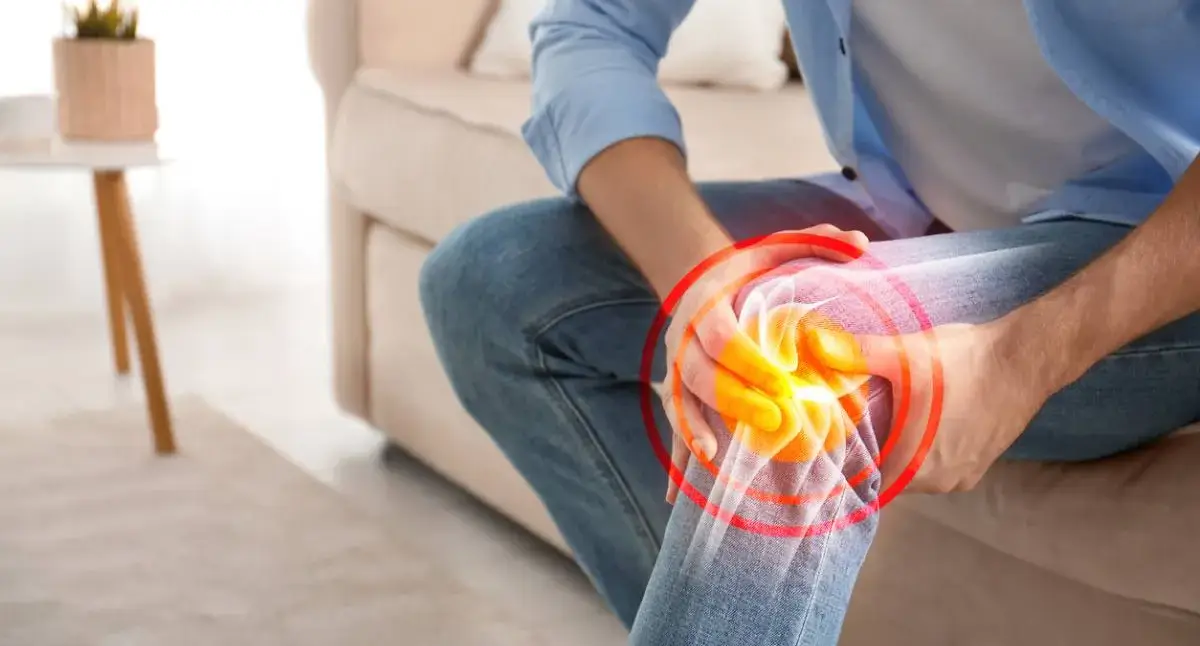





You may notice it first in small, frustrating ways: the knee that feels tight when you stand up from the couch, the hip that aches on the first few steps, or fingers that feel stiff when you try to twist a jar open. When those moments start to repeat—and walking, driving, exercising, or sleeping becomes harder—many people begin wondering if it’s “just aging” or something that can be treated.
Osteoarthritis is common, but it is not the kind of discomfort you have to simply push through. Understanding osteoarthritis risk factors can help explain why symptoms develop and what you can do next. If you are searching for the best osteoarthritis surgeon in Los Angeles, the most useful first step is a careful evaluation that confirms the true source of pain and lays out options, starting with the least invasive approaches.
What Osteoarthritis Is (and What It Is Not)
Osteoarthritis is a degenerative joint condition. Over time, the smooth cartilage that cushions the ends of bones can thin and break down. As that cushion wears, the joint can become irritated and painful with movement, and stiffness may increase—especially after rest.
As osteoarthritis progresses, the body may form extra bone at the edges of the joint (often called bone spurs). These changes can reduce range of motion and contribute to a “grinding” or “catching” sensation.
Osteoarthritis can affect many joints, but it is especially common in weight-bearing and high-use areas such as the knees, hips, ankles, hands, and sometimes the joints of the spine. For a fuller overview of care options, visit our osteoarthritis treatment page.
Early Symptoms People Often Ignore
Osteoarthritis usually builds gradually. Early on, symptoms can come and go, which is why many people delay evaluation until pain starts limiting daily life.
Common symptoms include:
- Pain with activity that may improve with rest, then return when you start moving again
- Stiffness after waking up or sitting for long periods
- Swelling or tenderness around the joint
- Reduced range of motion (difficulty bending, squatting, gripping, or twisting)
- Grinding, clicking, or catching during movement
- Warmth or aching in the joint during flare-ups
Several other problems can look like osteoarthritis, including tendon injuries, bursitis, inflammatory arthritis, or nerve-related pain. If your symptoms are persistent or progressively worsening, it is worth getting evaluated rather than guessing based on a symptom checklist.
Risk Factors for Osteoarthritis
Osteoarthritis is rarely caused by one single issue. It is more often the result of cumulative joint stress, tissue changes over time, and individual susceptibility. Here are the most common risk factors.
Repetitive Stress and Overuse
Joints that experience repeated loading or high-impact stress for years may be more likely to develop osteoarthritis. This can include occupations that involve frequent kneeling, lifting, climbing, or repetitive hand motions, as well as sports and training routines that overload a specific joint. This does not mean you should stop being active; it means your joints may benefit from better mechanics, recovery time, and strength support.
Age-Related Joint Changes
The risk of osteoarthritis increases with age. Cartilage can become less resilient over time, and joints may be less tolerant of the accumulated effects of past activity, alignment, and minor injuries.
Prior Injury
Injury can change how forces move through a joint long after the initial pain has improved. Damage to cartilage, ligaments, or the joint surface can increase the long-term likelihood of osteoarthritis. This includes sports injuries and accidents, particularly involving the knee, hip, ankle, shoulder, or spine-related joints.
Genetics and Family History
Some people inherit traits that affect cartilage strength, joint shape, or how connective tissue handles stress. A family history does not guarantee you will develop osteoarthritis, but it can raise your odds—especially when combined with repetitive stress or prior injury.
Spine Degeneration That Contributes to Similar Symptoms
Not all “joint pain” is coming from the joint you feel. Arthritis and degeneration in the spine can refer pain into the hip, buttock, leg, shoulder, or arm, sometimes mimicking primary joint disease. If your symptoms include back or neck pain along with radiating pain, numbness, or tingling, exploring related conditions such as degenerative disc disease treatment may be part of a complete workup.
How Osteoarthritis Is Diagnosed
A useful diagnosis connects your symptoms to the anatomy—so you understand not only what the imaging shows, but also whether it matches your pain pattern and functional limitations.
Evaluation often includes:
- History and physical exam to assess tenderness, swelling, range of motion, stability, gait, and alignment
- Imaging such as X-rays (often used to look for joint space narrowing and bone spurs), and MRI when soft tissue detail is needed
- Function-based discussion focused on walking tolerance, stairs, sleep, grip strength, work demands, and what activities you are avoiding
If there are signs that nerve compression could be involved—like numbness, tingling, heaviness, or pain traveling into an arm or leg—your specialist may also evaluate for common spine problems such as spinal stenosis.
Treatment Options That Can Improve Pain and Function
Osteoarthritis cannot be “cured” in the sense of restoring cartilage to its original state. But many patients can reduce pain and improve mobility with a plan that addresses inflammation, mechanics, and strength—often without surgery.
Non-Surgical Care
For most people, treatment starts with strategies that decrease joint irritation and improve how the joint is supported during daily activity:
- Physical therapy to strengthen surrounding muscles, improve flexibility, and correct movement patterns that overload the joint
- Activity modifications that reduce flare-ups while keeping you moving (often the key is changing how you do an activity, not eliminating it)
- Medications such as acetaminophen or anti-inflammatory medications (NSAIDs) when appropriate and safe for you
- Targeted injections in select situations to reduce inflammation and help you progress in rehab
When arthritis affects the spine and contributes to nerve irritation, a specialist may discuss minimally invasive options designed to reduce pain while minimizing tissue disruption. Learn more about minimally invasive spine surgery and when it may be considered.
When Surgery May Be Considered
Surgery is typically discussed when symptoms continue despite appropriate conservative care and quality of life is being affected—such as difficulty walking meaningful distances, climbing stairs, sleeping through the night, or using your hands for daily tasks.
The right procedure depends on the joint involved and what is driving symptoms. In some cases, bone spurs may be part of the problem, especially in spine-related arthritis. If imaging shows spur-related narrowing or irritation, your specialist may review options for bone spur treatment as part of a broader plan.
When It Is Time to See a Specialist
Consider scheduling an evaluation if:
- Your joint pain or stiffness lasts more than a few weeks
- You are skipping walks, exercise, or routine tasks because of discomfort
- You notice swelling, repeated flare-ups, catching/locking, or a sense that the joint is unstable
- Symptoms are affecting sleep, work, or your ability to care for yourself or your family
Also seek urgent medical evaluation if you develop severe weakness, new loss of bowel or bladder control, or sudden inability to walk safely, as these can signal a more serious nerve problem.
Osteoarthritis Evaluation and Spine-Focused Care in Los Angeles
At Yashar Neurosurgery, Parham Yashar, MD, evaluates osteoarthritis with special attention to how joint and spine conditions overlap—because hip, knee, and back symptoms can blend together and sometimes come from a different source than expected. When appropriate, care begins with clear education and non-surgical options, and advances to procedural or surgical treatments only when they match the anatomy and your goals.
If you want a clear diagnosis and a plan you can understand—from a team experienced in both joint-related spine degeneration and minimally invasive techniques—request a consultation with Yashar Neurosurgery in Los Angeles or call (424) 209-2669.