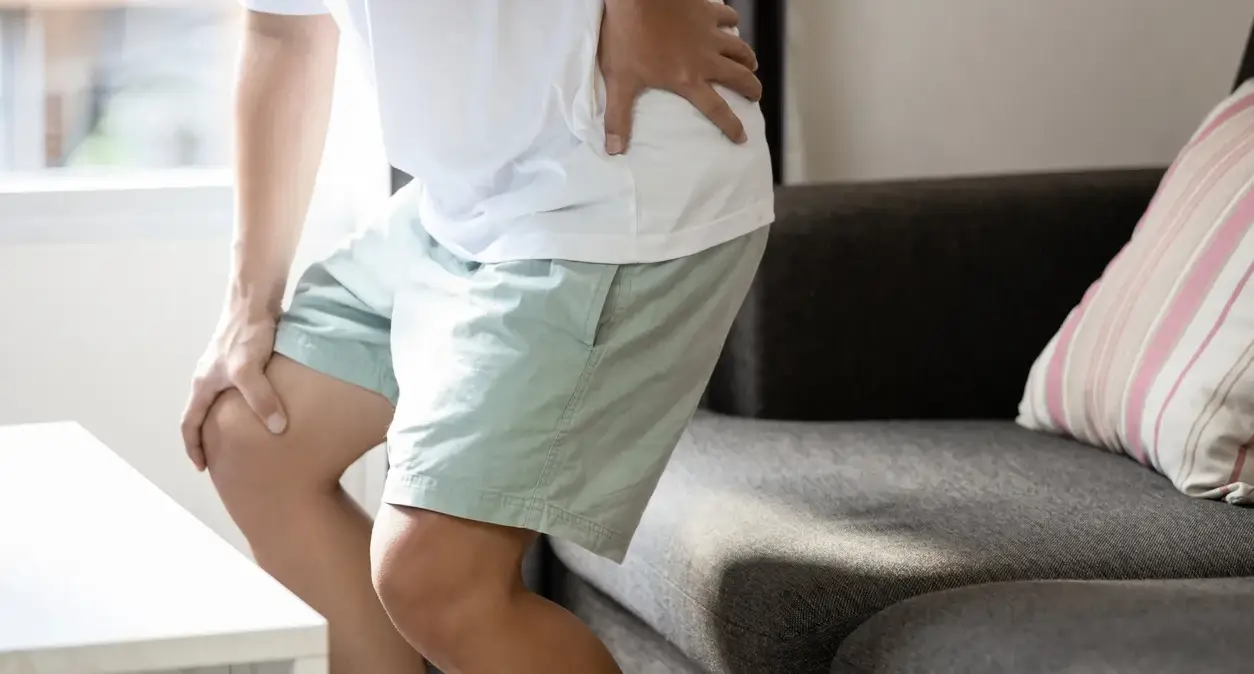





If your leg pain ramps up the second you sit—on a long drive, in an office chair, or even at the dinner table—you are not alone. For many people with sciatica, sitting is the most reliable trigger because it changes spinal mechanics and can increase pressure on sensitive nerve roots in the lower back. The result can feel like a deep ache in the buttock, a hot or electric pain down the back of the thigh, or tingling that reaches the calf or foot.
Below, you’ll learn what sciatica is (and what it is not), why sitting tends to aggravate it, and practical sitting positions and setup changes that often reduce symptoms. You’ll also find clear signs that it’s time to get evaluated—especially if weakness, numbness, or persistent pain suggests nerve compression from a disc or narrowing in the spine.
What Sciatica Actually Means
“Sciatica” describes a pattern of symptoms caused by irritation or compression of one or more nerve roots in the lumbar spine (lower back). Those nerve roots come together to form the sciatic nerve, which runs through the buttock and down the leg. That is why the pain often feels like it travels—sometimes far below the knee.
Common sciatica symptoms include:
- Pain that starts in the low back or buttock and radiates down the leg
- Burning, sharp, or “electric” sensations
- Tingling or numbness in the leg, foot, or toes
- Weakness (for example, difficulty lifting the foot, climbing stairs, or pushing off when walking)
Sciatica can range from an occasional flare to symptoms that make commuting, working, sleeping, or sitting through a movie feel impossible. The most helpful next step is identifying why the nerve is irritated.
Why Sitting Can Make Sciatica Worse
Sitting puts your hips into flexion and, for most people, encourages the pelvis to roll backward into a slouched posture. That combination can increase pressure on spinal discs and narrow the spaces where nerve roots travel—especially if there is already inflammation, disc bulging, or arthritis-related narrowing.
Two common reasons sitting becomes a problem are:
- Mechanical pressure: A flexed, rounded posture can increase stress on the lower lumbar discs and nearby joints.
- Static loading: Staying in one position for a long time reduces circulation and keeps sensitive tissues “loaded” without a break. Even a good posture can become painful if you don’t change positions.
That’s why the best “sitting position” is often a combination of alignment and frequent resets.
Common Causes of Sciatica (and Why the Cause Matters)
Sciatica is usually a symptom of an underlying spine or soft-tissue problem. Knowing the cause helps determine whether the best next step is physical therapy, medication, injections, or—less commonly—a procedure to relieve nerve pressure.
Common causes include:
- Herniated disc treatment issues, where disc material irritates or compresses a nerve root
- Spinal stenosis, meaning narrowing around the spinal cord or nerve roots
- Degenerative disc disease treatment, where disc height and hydration decrease over time
- Bone spur treatment problems, where bony overgrowth can crowd the nerve pathways
- Piriformis-related irritation (less common than spine causes, but sometimes a contributor)
It’s also possible to have more than one factor—such as a mild disc bulge plus arthritic changes—making sitting and prolonged driving especially uncomfortable.
Sitting Positions That Often Reduce Sciatica Pain
The goal is to reduce nerve irritation by keeping your pelvis and low back in a more neutral position, decreasing strain through the hips, and avoiding long stretches of static sitting. Use these as options, not rigid rules—your best position is the one that reduces leg symptoms (not just back tightness).
Keep Both Feet Flat (or Use a Footrest)
When your feet dangle or slide forward, your pelvis tends to roll back and your lumbar spine rounds. Aim for both feet flat on the floor with weight evenly distributed. If your chair is high, use a footrest or a sturdy box so your feet feel supported.
Sit Tall with a Neutral Low Back (Not Rigid)
Think “lengthen” rather than “stiffen.” Let your shoulders relax, keep your ribs stacked over your pelvis, and avoid collapsing into a slouch. At the same time, don’t force an exaggerated arch—some people feel worse when they overextend. Your target is a comfortable neutral position.
Open the Hip Angle
A strict 90-degree hip bend can increase tension through the hip flexors and hamstrings, which can aggravate symptoms in some people. Consider slightly opening the hip angle by:
- Raising your chair height a bit
- Sitting on a firm cushion
- Using a wedge cushion to tip the pelvis slightly forward
This adjustment often helps during long desk sessions or car rides.
Add Firm Lumbar Support at the Beltline
Support the natural inward curve of the lower back using a lumbar roll, a small cushion, or a rolled towel. Place it at the beltline—not high in the mid-back—so it prevents your pelvis from rolling backward.
If lumbar support increases symptoms, reduce the thickness or adjust the position up or down by an inch. The right support feels like gentle guidance, not pressure.
Try a Figure-Four or Cross-Leg Option Only If It Helps
Some people with one-sided symptoms feel temporary relief by changing hip rotation (for example, a gentle figure-four position). For others, it tightens the piriformis region or rotates the pelvis in a way that worsens nerve symptoms. If tingling spreads, pain sharpens, or numbness increases, switch back to a neutral position.
Build in Movement Breaks (This Matters More Than Perfect Posture)
If you are sitting for work, driving, or travel, plan short breaks to stand and walk. Even brief resets can decrease cumulative irritation. Many patients do better alternating between sitting and standing, rather than trying to “push through” one position.
When Sciatica Needs a Medical Evaluation
Ergonomic changes are a smart first step, but persistent or progressive symptoms deserve an evaluation—especially if you’re noticing neurologic changes. Consider seeing a specialist if you have:
- Pain that lasts more than a few weeks, keeps returning, or is getting worse
- Numbness that is persistent or spreading
- Weakness, tripping, or a foot that feels hard to lift (possible foot drop)
- Pain that disrupts sleep or makes sitting/standing intolerable
- Symptoms in both legs
Seek urgent medical care if you develop sudden bowel or bladder control changes, numbness in the groin/saddle area, or rapidly worsening weakness.
Treatment Options Beyond Sitting Changes
Lasting relief usually comes from treating the underlying cause of nerve irritation. Many cases improve with non-surgical care, including targeted physical therapy to restore mobility and strength, activity modification, and medications to reduce pain and inflammation so you can move more normally.
If symptoms persist and imaging shows a structural reason for nerve compression, a procedure may be discussed. Depending on what is found, options can include:
- Spinal decompression approaches to create more space for the nerve
- A targeted decompression such as lumbar foraminotomy when the nerve is pinched in the foramen (the nerve’s exit tunnel)
- When a disc is the primary issue, spinal discectomy surgery may be considered to remove the disc material compressing the nerve
The “right” treatment depends on your neurologic exam, the pattern of your symptoms, and what your imaging shows—not only on how much pain you have on a given day.
Finding the Best Herniated Disc Surgeon in Los Angeles for Sciatica
Sciatica can shrink your routine quickly—driving becomes stressful, work feels harder, and sitting through normal activities turns into a constant negotiation with your symptoms. The turning point is usually a clear diagnosis and a plan that matches what is actually irritating the nerve.
At Yashar Neurosurgery, Parham Yashar, MD evaluates sciatica with careful attention to symptom pattern, neurologic function, and imaging findings. When surgery is appropriate, Dr. Yashar focuses on minimally invasive techniques designed to relieve nerve pressure while limiting disruption to surrounding tissue.
If you are searching for the best herniated disc surgeon in Los Angeles, you can schedule an evaluation with Yashar Neurosurgery to review your symptoms and options. Call (424) 209-2669 or visit our Los Angeles office at 8436 W. 3rd Street, Suite 800, Los Angeles, CA 90048.