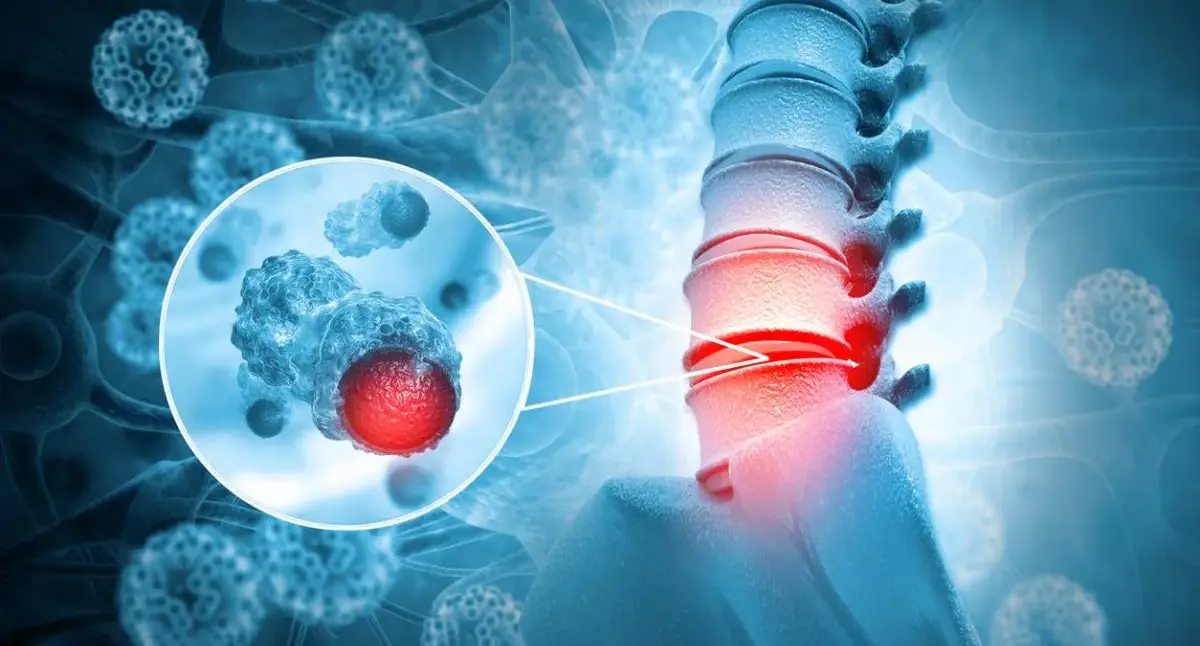





A new kind of back or neck pain can get your attention fast—especially when it feels deep, keeps returning, or comes with tingling, weakness, or trouble walking. Most spine pain is caused by common issues like arthritis, disc problems, or muscle strain, not cancer. Still, spinal tumors are one of the serious diagnoses doctors work to rule out when pain is persistent, progressive, or paired with neurological changes.
This article explains spinal cancer risk factors, the symptoms that deserve a closer look, and what diagnosis and treatment typically involve. If you are worried about a spinal tumor, an evaluation with the best spine surgeon in Los Angeles can help clarify what is causing your symptoms and what next steps make sense.
What “Spinal Cancer” Means in Real Life
People often say “spinal cancer,” but that term can refer to different situations. Some tumors start in the spine or spinal cord (primary tumors). Others begin elsewhere in the body and spread to the spine (metastatic tumors). The spine is a common site for metastasis because it has a strong blood supply and provides supportive bone where cancer cells can settle.
What makes spinal tumors medically urgent is space. The spinal canal and nerve pathways have limited room, so even a slow-growing tumor can compress the spinal cord or nerve roots. Depending on the level of the spine involved, that pressure can affect strength, sensation, balance, hand function, or bowel and bladder control.
If you want context on other conditions that can cause similar symptoms, start with our overview of spine conditions.
Types of Spinal Tumors by Location
Location matters because it helps predict symptoms and shapes treatment planning. Spinal tumors are commonly grouped by where they sit in relation to the spinal cord and its coverings.
Intramedullary Tumors
Intramedullary tumors develop within the spinal cord tissue itself. Because they are inside the cord, they can disrupt the “wiring” that carries signals between your brain and body. Examples include gliomas and astrocytomas.
Extramedullary Tumors
Extramedullary tumors are outside the spinal cord but still within the spinal canal, often involving the membranes around the cord or the nerve roots. They are not inside the cord, but they can still cause major symptoms by compressing the spinal cord or nerves. Common examples include meningiomas, schwannomas, and neurofibromas.
Metastatic Tumors
Metastatic tumors originate elsewhere and spread to the spine. They may involve the vertebrae (the bones), the epidural space around the spinal cord, or nearby supportive structures. In these cases, the focus is not only on the spine lesion but also on identifying and treating the primary cancer.
Symptoms and Red Flags That Deserve Prompt Evaluation
Spinal tumor symptoms can overlap with more common spine problems, especially early on. What tends to stand out is the pattern: symptoms that progress, don’t respond as expected, or come with neurological changes.
Possible warning signs include:
- Persistent back or neck pain that feels unusual for you
- Pain that may be worse at night or not clearly tied to activity
- Pain that radiates into an arm, chest, abdomen, or leg depending on tumor level
- Numbness, tingling, or burning sensations in the arms or legs
- Weakness (dropping objects, hand clumsiness, foot drag, difficulty climbing stairs)
- Trouble walking, balance changes, or frequent tripping
- Loss of coordination or changes in fine motor control
- New bowel or bladder control problems in severe cases
If you develop rapidly worsening weakness, new bowel or bladder changes, or a sudden decline in walking or balance, seek urgent medical evaluation.
Spinal Cancer Risk Factors
Many people with spinal tumors do not have a single identifiable cause. But several risk factors are associated with a higher likelihood of developing certain primary spinal tumors or having cancer spread to the spine.
Prior Radiation Exposure and Certain Chemical Exposures
A history of radiation therapy can increase the risk of developing some types of tumors later in life. Certain industrial chemical exposures have also been associated with higher cancer risk. If you have had radiation treatment in the past, mention it during your evaluation—especially if new neurological symptoms appear.
Genetic and Hereditary Conditions
Some inherited conditions are linked to spinal cord tumors, including Von Hippel-Lindau disease and Neurofibromatosis. For patients with these diagnoses, the threshold to evaluate new symptoms is often lower, and monitoring may be more tailored.
Personal or Family Cancer History (Metastatic Risk)
Spinal metastases are more likely in people with a personal history of cancers such as breast, lung, prostate, and certain blood cancers (including multiple myeloma). A family history alone does not mean you will develop spinal disease, but it can influence how quickly your medical team pursues imaging when symptoms are concerning—especially if you also have your own cancer history.
Compromised Immune System
People with weakened immune systems can be at increased risk for certain malignancies, including lymphomas that may involve the spine. If you are immunocompromised and develop persistent spine pain, numbness, or weakness, earlier evaluation may be recommended.
Other Proposed Factors
You may see claims online about links between spinal tumors and factors such as aspartame or cell phone use. At this time, evidence is not conclusive. If you’re concerned about risk, it’s more productive to focus on symptoms, known medical history, and timely evaluation rather than unproven associations.
How Spinal Tumors Are Diagnosed
Diagnosis typically starts with a detailed history and neurological exam, followed by imaging. The goal is to determine whether your symptoms are due to a tumor or another cause such as degenerative spine disease, inflammation, infection, or nerve compression from a disc problem.
A typical workup may include:
- A focused neurological exam (strength, sensation, reflexes, gait, coordination)
- MRI (often the most informative study for the spinal cord, nerves, and soft tissues)
- CT in select cases, particularly when bone involvement or spinal stability is a concern
- Additional testing if metastatic disease is suspected (to look for a primary cancer source)
- Biopsy in select situations to confirm tumor type and guide treatment decisions
Because treatment planning depends heavily on tumor type and exact location, accurate interpretation of imaging is important. If your MRI findings and your symptoms don’t seem to line up, or if surgery is recommended quickly without clear explanation, a second opinion can be worthwhile before you commit to a major decision.
Treatment Options and When Surgery Is Considered
Treatment depends on whether the tumor is benign or malignant, how fast it appears to be growing, where it is located, and whether it is compressing the spinal cord or nerves. Care is often coordinated across specialties, especially when metastasis is involved.
Common options include:
- Surgery to remove as much tumor as safely possible, relieve pressure on the spinal cord or nerves, and/or stabilize the spine
- Radiation therapy to control tumor growth, particularly when complete removal is not feasible or for many metastatic tumors
- Chemotherapy for certain tumor types
- Targeted therapy or immunotherapy in select cases based on tumor biology
When an operation is part of the plan, the surgical approach is chosen to balance tumor control with neurological protection. In appropriate cases, minimally invasive spine surgery techniques may reduce muscle disruption and recovery time compared with traditional open surgery. Not every spinal tumor can be treated minimally invasively, but it is often an important part of the discussion during a consultation.
For a broader overview of operative approaches and how spine procedures are selected, visit our spine surgery page.
When to See a Spine Specialist
Consider a specialist evaluation if you have back or neck pain that is persistent, progressive, or out of character for you—especially when it is paired with weakness, numbness, balance problems, or walking difficulty. If you have a personal history of cancer, prior radiation exposure, or a known hereditary tumor syndrome, it can also be reasonable to seek evaluation earlier when new spine symptoms appear.
Even when imaging identifies a mass, the next step is rarely automatic. A spine specialist can help answer the practical questions patients care about: Is this finding likely causing my symptoms? Does it look benign or concerning? Do I need monitoring, a biopsy, surgery, radiation, or coordination with oncology?
Spine Tumor Evaluation in Los Angeles at Yashar Neurosurgery
When a spinal tumor is on the list of possibilities, the stakes feel high—because the spine affects walking, hand function, independence, and quality of life. At Yashar Neurosurgery, Parham Yashar, MD provides careful spine tumor evaluation, clear review of imaging, and thoughtful recommendations tailored to your diagnosis and goals. When appropriate, we also discuss modern surgical approaches, including minimally invasive options.
If you are searching for the best spine surgeon in Los Angeles for a second opinion or a comprehensive spine tumor workup, contact Yashar Neurosurgery to schedule an appointment at our office at 8436 W. 3rd Street, Suite 800, Los Angeles, CA 90048, or call (424) 209-2669.