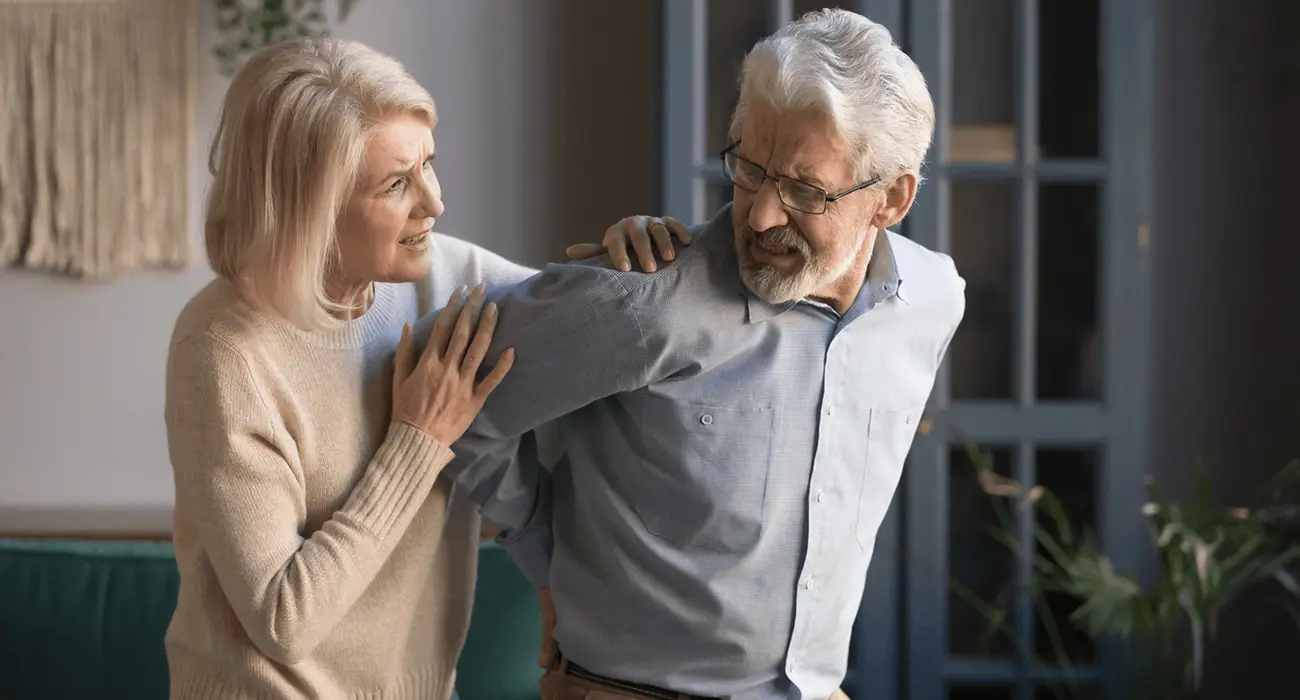





That ache in your lower back, the burning that shoots down your leg when you walk to the mailbox, the numbness that wakes you up at night. These are not just signs of getting older. For millions of people worldwide, those sensations point to spinal stenosis, a condition where the spinal canal gradually narrows and begins pressing on the spinal cord and the nerves that branch off it. Spinal stenosis affects nearly 95% of people by age 50, and most people who have it spend months or years assuming their pain is normal wear and tear, only to find out there was a treatable cause all along.
The good news is that knowing what to look for changes everything. Continue reading to learn how to recognize the early warning signs of spinal stenosis, understand risk factors that make you more likely to develop it, and explore the full range of treatment options available from the best minimally invasive spine surgeon in Los Angeles.
What is Spinal Stenosis?
Your spine is made up of 33 stacked bones called vertebrae, and running through the center of them is a hollow channel called the spinal canal. This canal is the pathway your spinal cord uses to carry signals between your brain and the rest of your body.
Spinal stenosis happens when that channel gradually becomes too narrow, squeezing the spinal cord or the nerves that branch off from it. It most commonly affects two areas:
- The lower back, known as the lumbar spine
- The neck, known as the cervical spine
The location of the narrowing matters a great deal because it determines which part of your body is affected. With lumbar stenosis, the nerve roots in your lower back get compressed, which causes pain, tingling, or weakness that travels down into the legs and buttocks. Cervical stenosis, on the other hand, puts pressure directly on the spinal cord itself, which makes it potentially more serious and can affect balance, arm strength, and, in rare cases, the whole body.
Most people develop stenosis gradually over many years, and some have measurable narrowing on an MRI without feeling any symptoms at all. For those who do feel it, though, the impact on daily life can be significant.
What Are the Symptoms of Spinal Stenosis?
For most people, the symptoms of spinal stenosis build slowly, starting as a minor inconvenience and growing into something harder to ignore. You might first notice a dull ache in your lower back or neck, or a sharp pain that comes and goes depending on what you are doing.
One of the most telling signs of lumbar stenosis is pain or weakness that gets worse when you stand or walk and then eases when you sit down or lean forward. This happens because bending slightly forward creates a little more room in the spinal canal, which takes pressure off the nerves.
Other common symptoms include:
- Tingling or weakness in the hands and arms
- Trouble with balance and coordination
- Numbness, cramping, or weakness in the legs
- Pain that travels down one leg
- Problems with bladder or bowel control in severe cases
- Leg paralysis in severe cases
Who is at Risk for Spinal Stenosis?
Age is the biggest risk factor in developing spinal stenosis. After 50, the spine goes through natural wear and tear that can lead to osteoarthritis, thickened ligaments, and bone spurs. All of these conditions take up space in the spinal canal. Additionally:
- Women are also at a higher risk than men
- People who have had prior spinal injuries or surgeries may develop scarring that narrows the canal over time
- A history of high-impact sports like football, gymnastics, or weightlifting can also raise your risk
- In contrast, a sedentary lifestyle can also increase your risk of spinal stenosis from spinal compression and reduced flexibility
Not everyone who develops stenosis is older, however. Some people are born with a naturally narrower spinal canal or with conditions like scoliosis, and they may begin experiencing symptoms between the ages of 30 and 50.
Non-Surgical Treatments for Spinal Stenosis
For most people with spinal stenosis, surgery is not the first answer. There is a solid range of non-surgical treatments that can reduce pain, improve strength, and help you stay active:
- Physical therapy is one of the most effective starting points. A physical therapist will work with you to strengthen your core and back muscles, improve your range of motion, and build the kind of endurance that takes stress off your spine.
- Anti-inflammatory medications can help reduce nerve irritation caused by inflammation
- Epidural steroid injections are also useful for delivering targeted relief directly to the inflamed area around the nerve. While these injections do not fix the underlying narrowing, they can calm symptoms enough to let you engage more fully in physical therapy
- Regular low-impact exercise, like walking, swimming, or cycling, is especially valuable for people managing stenosis because it keeps the muscles around the spine strong and the joints moving.
Some people also find relief through complementary approaches like acupuncture or massage, which can ease muscle tension that builds up around a painful area. The goal of all these treatments is the same: to reduce pain, maintain function, and protect your quality of life without the risks that come with spine surgery.
When is Surgery for Spinal Stenosis Necessary?
For some people, conservative treatments stop working or are just not effective enough. This is when seeing the best spine specialist in Los Angeles is necessary. Minimally invasive spine surgery can help when:
- Pain or weakness is making it difficult to walk or carry out daily tasks
- When symptoms have not improved after several months of non-surgical treatment
- When progressive numbness puts a person at risk for permanent nerve damage
The most common minimally invasive surgery for spinal stenosis is a laminectomy, which involves removing a portion of the bone at the back of the vertebra to create more room in the spinal canal. Other options include:
- Discectomy to remove part of a damaged disc
- Facetectomy to relieve pressure from a joint
- Spinal fusion to stabilize vertebrae that have shifted out of position
- Disc replacement surgery, in some cases, can replace the need for a fusion
A fusion is generally considered a last resort because, while it can reduce pain, it also limits mobility in that section of the spine. Newer minimally invasive options are giving more patients better outcomes with smaller incisions, less blood loss, and faster recovery times.
Finding the Best Spine Surgeon in Los Angeles for Minimally Invasive Spinal Stenosis Treatment
Spinal stenosis is not something you should have to figure out on your own, and it is not something you should have to simply live with. Whether you are in the early stages of noticing symptoms or you have been managing pain for years without real relief, there is an effective treatment option that can help you enjoy a pain-free life again.
Dr. Yashar believes the best treatment is the one that is built around your specific needs and goals, not a one-size-fits-all protocol. When surgery is the right choice, Dr. Yashar specializes in minimally invasive techniques that target only what needs to be addressed, protecting the healthy tissue around it and giving you a smoother, faster recovery than traditional open surgery.
Ready to get effective, minimally invasive treatment for spinal stenosis from the best spine surgeon in Los Angeles?