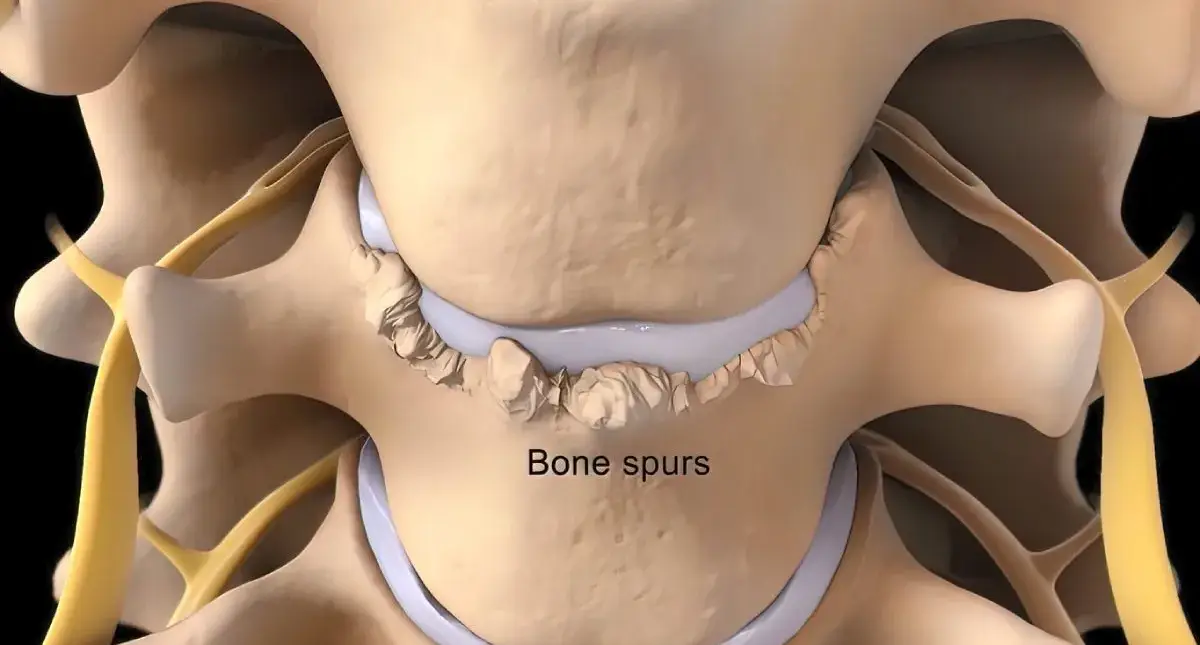





The pain is not always dramatic. Sometimes it is the sharp catch when you stand up, the burning that starts after a few minutes of walking, or the hand numbness that makes opening jars harder than it used to be. If imaging shows a bone spur and your symptoms match what that spur is pressing on, your specialist may recommend surgery to create more space and reduce irritation.
Preparing for bone spur repair surgery is not about being “tough” until the procedure. It is about lowering avoidable risks, protecting your recovery at home, and making sure your surgical plan actually fits your diagnosis. Use the guide below to walk into your pre-op visit organized and confident about next steps.
What Bone Spurs Are (and When They Become a Problem)
A bone spur, also called an osteophyte, is an extra bony growth that can form where the body has been dealing with long-term stress—often from age-related changes, arthritis, or disc wear. Many bone spurs cause no symptoms at all.
Symptoms tend to happen when a spur crowds nearby structures. In the spine, that can mean less room for the spinal cord or nerve roots, or narrowing of the openings where nerves exit. This is one reason bone spurs are often discussed alongside osteoarthritis treatment, degenerative disc disease treatment, and conditions such as spinal stenosis.
If your symptoms persist despite appropriate non-surgical care—or if there are signs of meaningful nerve compression—your surgeon may talk with you about options including bone spur treatment and whether an operation is likely to help.
What “Bone Spur Repair Surgery” Usually Means
Bone spur repair surgery is not a single, one-size-fits-all procedure. The plan depends on where the spur is, what it is compressing, and whether there are other issues that need to be addressed at the same time (such as disc degeneration, ligament thickening, or joint arthritis).
In spine care, the surgical goal is typically decompression: removing or trimming the bony overgrowth to reduce pressure on nerves while protecting the stability of the spine. Some patients are candidates for smaller-incision techniques, while others need a more traditional exposure for safe access and complete treatment.
- Less disruptive approaches: When appropriate, specialized instruments and smaller incisions may be used to reach the target area with less disruption to surrounding tissue.
- More involved approaches: Larger or more complex spurs, multi-level disease, or anatomy that limits access may require a more extensive operation.
If your surgeon mentions a smaller-incision option, it can help to understand the broader category of minimally invasive spine surgery—and then ask what technique is being recommended for your specific level and side (right vs left), and why.
Your Pre-Op Checklist: What to Do in the Weeks Before Surgery
Most pre-op problems are predictable: incomplete medication lists, unclear instructions, and not having enough support at home. This checklist helps you avoid those pitfalls.
Bring a Complete Medication and Supplement List
Come prepared with a written list (or photos of labels) for everything you take, including:
- Prescription medications
- Over-the-counter pain relievers and anti-inflammatories
- Vitamins and supplements
- Herbal products and “wellness” powders or teas (including weight-loss or detox products)
Some common products can increase bleeding risk or interact with anesthesia. Your surgeon and anesthesia team will tell you what to stop, what to continue, and when. Do not discontinue prescribed medications on your own without medical guidance.
Share Your Full Medical and Surgical History (Even If It Feels Unrelated)
Tell your care team about chronic conditions (like diabetes, high blood pressure, sleep apnea, kidney disease), prior surgeries, allergies, and any past anesthesia issues such as severe nausea, difficult intubation, or reactions to medications. These details help your team plan the safest approach and reduce surprises on surgery day.
Confirm That Your Team Has the Actual Images, Not Just the Report
For spine surgery decisions, the written report is helpful—but the actual MRI or CT images are often what guide surgical planning. If you have imaging from another facility, ask whether you should bring it on a disc or upload it in advance, and confirm your surgeon has reviewed it before finalizing the plan.
Ask Clear Questions About the Surgical Plan
Good pre-op conversations are specific. Consider asking:
- What structure is the spur compressing (nerve root, spinal cord, facet joint, foramen)?
- What symptoms should this surgery realistically target (leg pain, arm pain, walking tolerance, numbness)?
- Will anything else be treated during the same operation?
- What restrictions will I have in the first two weeks (lifting, bending, twisting, driving)?
This helps align expectations and reduces post-op anxiety.
Update Your Advanced Directive If You Have One
If you have an advanced directive or healthcare power of attorney, provide a copy before surgery and make sure your designated decision-maker is reachable. Most surgeries go smoothly, but having documentation in place can make the process easier if you are temporarily groggy or unable to communicate right after anesthesia.
Plan Your Ride, Your First 72 Hours, and Your Home Setup
Even for outpatient procedures, you will need a reliable ride to and from the facility. Anesthesia and pain medication can slow reaction time and judgment, making driving unsafe.
Also plan for the first few days at home, when simple tasks can feel surprisingly difficult. Depending on the surgical level and approach, you may have temporary limits on bending, twisting, lifting, or reaching. If you have bandages, a brace, or specific incision-care instructions, you will want help staying on track.
- Arrange help: If possible, have someone stay with you for the first 24 to 72 hours.
- Set up essentials: Place medications, water, chargers, and commonly used items at counter height.
- Reduce fall risk: Clear loose rugs and clutter, and make sure hallways and bathrooms are well lit for nighttime trips.
- Prepare food and errands: Plan easy meals and a way to pick up prescriptions before surgery day.
If your procedure is spine-related, ask about walking, sitting tolerance, and sleep positioning. These details vary based on the exact surgery and your anatomy.
What Recovery Often Feels Like After Bone Spur Removal
Recovery depends on the location of the spur, how much decompression was needed, and whether other work was done at the same time. Some patients notice that the “pinching” or pressure sensation improves early. Nerve symptoms such as tingling, numbness, or weakness may improve more gradually because irritated nerves can take time to calm down.
Your surgeon may recommend a staged plan that includes:
- Walking as directed soon after surgery
- Incision care and guidance for showering
- Temporary restrictions on lifting, bending, twisting, or strenuous activity
- Physical therapy when healing allows
Instead of focusing on a single recovery number, it is often more helpful to think in milestones: getting through the first week safely, gradually increasing walking, and then rebuilding strength and mobility over the following weeks. Your surgeon can outline what is typical for your exact procedure.
When to See a Spine Specialist (and When to Seek Urgent Help)
If pain, numbness, or weakness is changing how you walk, sleep, work, or use your hands, it is reasonable to get evaluated—especially if symptoms persist despite conservative care. A specialist can help confirm whether a spur is truly the main pain generator or whether another issue (such as arthritis, disc disease, or stenosis) is playing a larger role.
Seek urgent medical attention if you develop new or worsening weakness, significant balance problems, or sudden bowel or bladder control changes. Those symptoms can indicate more serious nerve involvement and should be assessed promptly.
Finding the Best Minimally Invasive Spine Surgeon in Los Angeles for Bone Spur Repair
If you have been told a bone spur is causing your symptoms and you are considering surgery, the most important next step is a careful evaluation that connects your day-to-day limitations to your physical exam and imaging. At Yashar Neurosurgery, Parham Yashar, MD helps patients understand the “why” behind their diagnosis and reviews both non-surgical care and surgical options within spine surgery, including less disruptive techniques when appropriate.
If you would like a second look at your imaging or a clear plan for what to do next, schedule a consultation with Yashar Neurosurgery and discuss bone spur repair with the best minimally invasive spine surgeon in Los Angeles.