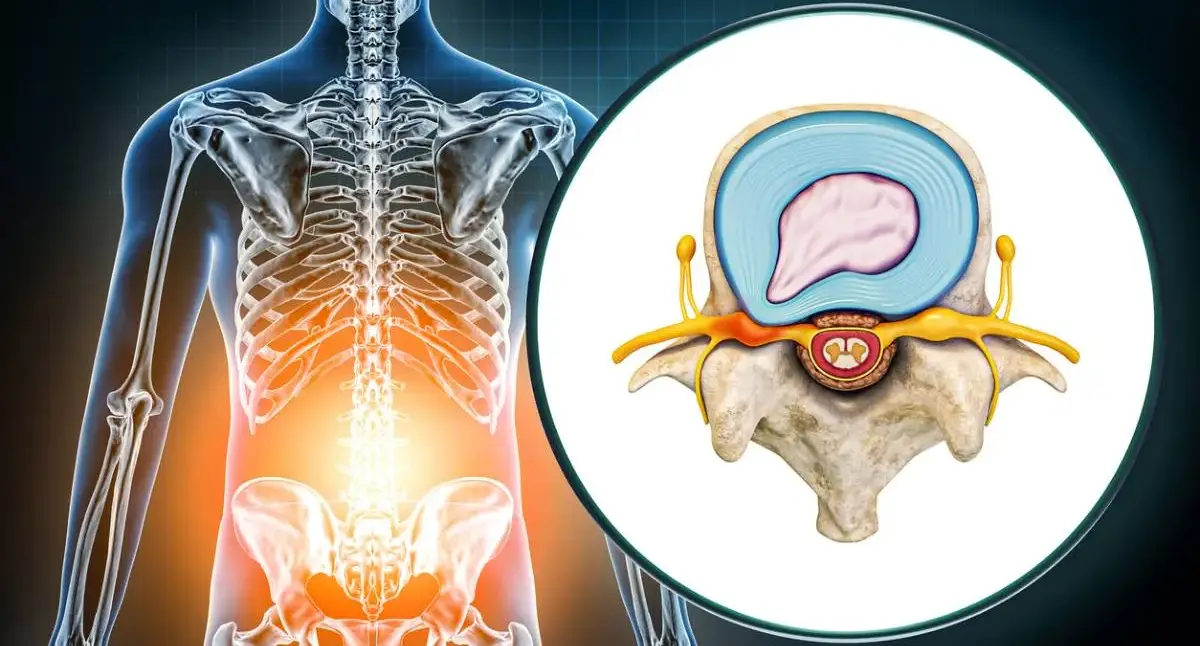





If your back “went out” while picking up a suitcase, you feel leg pain after a long drive, or your neck pain is now traveling into your arm, it’s normal to wonder: “Am I the right age for a herniated disc?” Age can raise risk, but the more important question is whether your symptoms fit a treatable nerve or disc problem.
In general, herniated discs are diagnosed most often in adults between ages 30 and 50. That window is common because the discs are starting to lose hydration and elasticity, while many people are also putting steady daily stress on their spine through sitting, lifting, commuting, sports, and repetitive work. Below, we’ll walk through what that means, what symptoms to watch for, how a herniated disc is diagnosed, and how treatment is tailored to your specific pattern of pain.
Why Herniated Discs Are Most Common Between Ages 30 and 50
Your spinal discs are built like shock absorbers: a tougher outer ring (annulus) around a softer center (nucleus). In your teens and twenties, discs tend to be more hydrated and flexible. As you move into your thirties and beyond, discs gradually lose water content and become less resilient. Small cracks can develop in the outer ring, making it easier for the inner material to push outward.
That’s why ages 30 to 50 is often a high-risk range: discs are more vulnerable than they were earlier in life, but many people are still very active and regularly bending, lifting, twisting, and sitting for long stretches. A single awkward lift, a fall, or even a “normal” day of repeated strain can be enough to trigger a symptomatic herniation.
It’s also worth knowing what age does not tell you. A person in their twenties can herniate a disc after an injury. A person in their sixties can herniate a disc in the setting of degeneration. If you’re having nerve-type symptoms (radiating pain, numbness, weakness), it’s the symptom pattern—and the exam—that should guide next steps, not the calendar.
What a Herniated Disc Is (in Plain Language)
A herniated disc happens when part of the disc’s inner material pushes through a weakened spot or tear in the outer ring. Many people call it a “slipped disc,” but the disc doesn’t actually slide out of place. The problem is that the bulge or leaked material can crowd nearby nerve roots or irritate them chemically, which may cause pain and neurologic symptoms.
Herniated discs most often occur in the lumbar spine (low back) or cervical spine (neck). Thoracic (mid-back) herniations are less common.
If you want a deeper overview of evaluation and treatment pathways, you can read more about herniated disc treatment at Yashar Neurosurgery.
Herniated Disc Symptoms to Watch For
Some disc herniations cause localized neck or back pain only. Others affect a nerve, which is when symptoms commonly “travel” into an arm or leg. The location of symptoms often provides a clue about which part of the spine is involved.
Symptoms of a Lumbar (Low Back) Herniated Disc
When a lumbar disc affects a nerve root, symptoms can extend beyond the back and into the buttock and leg.
- Low back pain that may worsen with sitting, bending, coughing, or lifting
- Pain that radiates into the buttock, thigh, calf, or foot
- Tingling or numbness in the leg or foot
- Leg weakness (for example, trouble pushing off to walk or lifting the front of the foot)
Radiating leg pain is often referred to as sciatica. If that’s what you’re experiencing, our page on sciatica treatment can help you understand common causes and options.
Symptoms of a Cervical (Neck) Herniated Disc
A cervical herniation may irritate nerves that travel into the shoulder, arm, and hand.
- Neck pain that may worsen with turning your head or looking up/down
- Pain radiating into the shoulder, arm, or hand
- Numbness or tingling in the arm or fingers
- Arm or hand weakness (grip changes, dropping objects)
Because several spine and nerve conditions can cause similar symptoms, it’s helpful to think in terms of a “pinched nerve” pattern and then confirm the exact cause with an exam. Learn more about evaluation for pinched nerve treatment.
Risk Factors That Can Increase Herniated Disc Risk
Age sets the stage, but day-to-day factors often determine whether a disc becomes symptomatic. Common risk factors include:
- Prolonged sitting, especially with poor ergonomics or long commutes
- Heavy lifting, particularly lifting with twisting or bending from the waist
- Repetitive motions at work or during sports that load the spine over and over
- Excess body weight, which increases mechanical load on the lumbar spine
- Smoking, which is associated with reduced disc nutrition and faster degeneration
- Male sex, which has historically been associated with higher rates of disc herniation in many studies
Many patients have more than one contributor. It’s also common for a disc to herniate after a single, specific event—like moving furniture, lifting a child from a car seat, or slipping on stairs—especially if the disc has already weakened over time.
How a Herniated Disc Is Diagnosed
A thoughtful diagnosis starts with your history and a physical exam. Where your pain travels, what positions make it worse, and whether you have numbness or weakness can help a specialist localize the problem and decide what testing is actually useful.
Common diagnostic tools include:
- MRI, the most common imaging test to visualize discs, nerves, and soft tissues
- X-rays, which don’t show discs directly but can help rule out fractures, instability, or other bone-related issues
- CT scan, which provides more detailed bone imaging and may be used in certain cases
- Myelogram, a specialized study that can highlight where nerves may be compressed
- Electromyogram (EMG), which can help assess nerve function and identify which nerve roots may be affected
One important nuance: imaging can show disc bulges or herniations even in people without symptoms. The goal is to match the MRI findings to your exam and your day-to-day limitations so treatment is directed at the true pain generator.
Treatment Options for a Herniated Disc
Many symptomatic herniated discs improve with non-surgical care, especially when treatment focuses on calming nerve irritation and restoring movement safely. A plan is usually based on your symptom severity, neurologic findings (like weakness), and how much your daily life is being disrupted.
Non-Surgical Options
- Medication such as anti-inflammatories and targeted pain relief (and in select cases, short-term muscle relaxants)
- Physical therapy to improve mobility, strengthen supportive muscles, and reduce nerve sensitivity
- Spinal injections (often epidural steroid injections) to decrease inflammation around irritated nerve roots and help you participate more comfortably in rehabilitation
When Surgery May Be Considered
Surgery may be discussed when symptoms persist despite an appropriate trial of conservative care, when pain remains function-limiting, or when there are concerning neurologic findings such as progressive weakness. The most common procedure for a symptomatic herniation with nerve compression is a discectomy, which removes the portion of the disc pressing on the nerve.
You can learn more about indications and what the procedure involves on our spinal discectomy surgery page.
When surgery is the right step, many patients are candidates for approaches that aim to minimize muscle disruption and support a smoother early recovery, such as minimally invasive spine surgery.
When to Get Evaluated (and When to Seek Emergency Care)
Not every flare of back or neck pain requires immediate intervention. But certain patterns are a good reason to get evaluated sooner rather than later—especially when nerve symptoms are part of the picture.
Consider scheduling a prompt medical visit if:
- Your symptoms are not improving after four to six weeks
- Pain is steadily getting worse
- You develop new or worsening numbness, tingling, or weakness
- Standing or walking becomes difficult due to pain or leg weakness
- Pain interferes with sleep, work, driving, or basic daily activities
Seek emergency care right away if you develop loss of bladder or bowel control or rapidly progressive weakness, as these can be signs of serious nerve compression that needs urgent evaluation.
Finding the Best Spine Surgeon in Los Angeles for Herniated Disc Care
If you’re in the higher-risk age range for disc herniation—or you simply have symptoms that sound like one—getting a clear diagnosis can be a relief. At Yashar Neurosurgery in Los Angeles, Parham Yashar, MD takes time to connect your symptoms, exam, and imaging so you understand what’s driving your pain and what options fit your goals. If surgery is recommended, the conversation includes why, what the alternatives are, and whether a minimally invasive approach may be appropriate.
To discuss your symptoms with a Los Angeles spine specialist, request a consultation with Yashar Neurosurgery by calling (424) 209-2669.