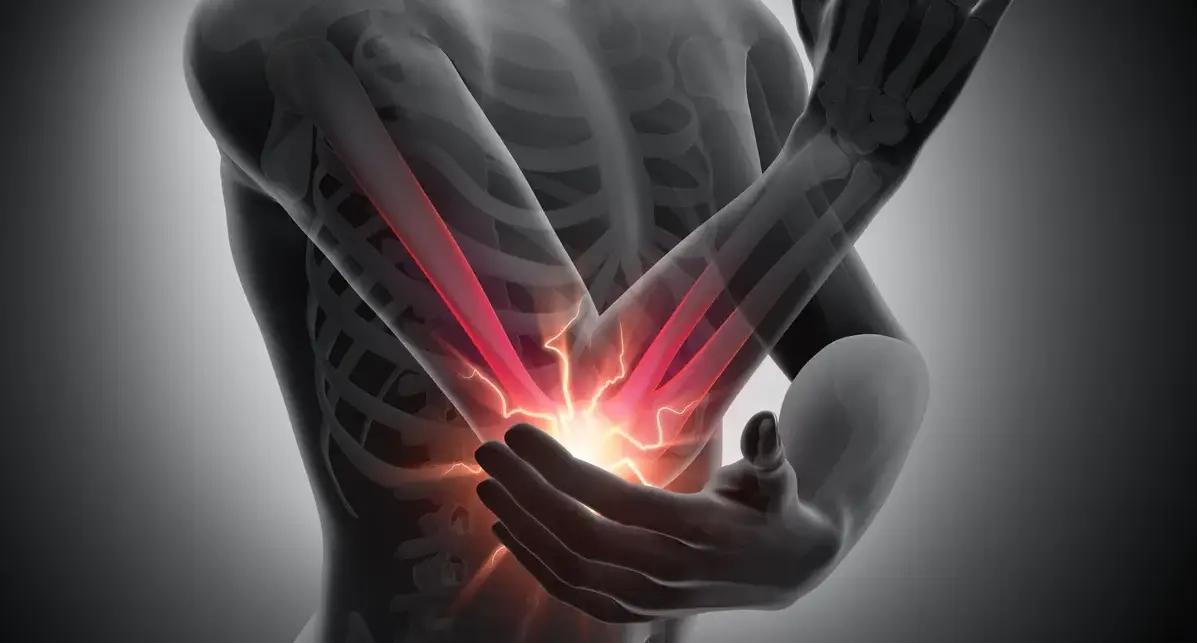





You may notice it in small, specific ways: your back feels tight when you first stand up, your neck is harder to turn while driving, or your hands feel stiff when you open a jar. When those day-to-day moments start happening more often, many patients begin looking for answers about osteoarthritis treatment—especially when osteoarthritis affects the spine, hips, knees, or hands.
Osteoarthritis is often described as “wear and tear,” but most people don’t develop meaningful pain simply because they used their joints. Symptoms tend to show up when cartilage, alignment, and the way a joint moves change enough to irritate surrounding tissues or (in the spine) narrow space around nerves. Understanding why osteoarthritis develops can help you make better choices about conservative care, what to ignore on an imaging report, and when it’s worth seeing a specialist.
What Osteoarthritis Is (and What It Is Not)
Osteoarthritis is the most common form of arthritis. It happens when cartilage—the smooth, protective layer that helps bones glide at a joint—gradually breaks down. As that cushioning thins, the joint can become irritated and painful, and movement may feel stiff or limited.
Over time, the body may respond by forming extra bone around the joint, sometimes called bone spurs. In the spine, osteoarthritis often involves the small facet joints in the back of the neck or low back. Those changes can coexist with other degenerative issues, including degenerative disc disease treatment, and may contribute to narrowing around nerve structures, often discussed as spinal stenosis.
One important nuance: osteoarthritis seen on X-ray or MRI does not always explain a person’s symptoms. Many people have “arthritis” on imaging and feel fine. The goal of a good evaluation is identifying the true pain generator—joint inflammation, muscle strain, nerve irritation, or a combination—so treatment is targeted rather than generic.
Symptoms and Warning Signs Patients Commonly Notice
Osteoarthritis symptoms usually start gradually and become more noticeable with time. Many patients describe a pattern: mild stiffness at first, then increasing pain after activity, and eventually symptoms that shape daily decisions—how long you can walk, how you sleep, or what movements you avoid.
Common osteoarthritis symptoms include:
- Stiffness, often worse in the morning or after sitting still
- Pain during or after activity
- Tenderness when pressing around the joint
- Loss of flexibility or reduced range of motion
- Swelling from inflammation or irritation
- Grating, cracking, or crunching sensations with movement
- Bone spurs (bony overgrowth that may contribute to stiffness or irritation)
When osteoarthritis involves the spine, symptoms can be local (neck pain or low back pain) or feel “referred” into other areas. If nearby nerves are irritated, people may notice pain that travels into the buttock or leg, numbness or tingling in the hands, or a heavy/fatigued feeling in the legs with walking.
If pain or stiffness is affecting sleep, walking, work, driving, or basic daily tasks, it’s reasonable to seek an evaluation rather than trying to outlast it.
Why Osteoarthritis Develops
Osteoarthritis develops when a joint’s ability to handle normal load and motion changes. Cartilage is built to absorb force, but it can gradually deteriorate when it is repeatedly overloaded, injured, poorly aligned, or affected by age-related changes. As the joint surface becomes less smooth, irritation and inflammation can increase, which may accelerate pain and stiffness.
For many patients, osteoarthritis is not caused by one event. It’s more often several contributors that add up over time.
Age-Related Changes in Cartilage and Joint Tissues
With age, cartilage can become less resilient and less able to recover from everyday stress. That helps explain why osteoarthritis is more common later in life. Still, age alone is not the whole story: symptom severity varies widely, and imaging findings don’t always match how a person feels.
Prior Joint Injuries
Old injuries—whether from sports, accidents, or repetitive strain—can change how a joint bears weight and moves. Even subtle changes in mechanics can increase focal stress on cartilage and contribute to degeneration over years.
Repetitive Stress and High Joint Load
Jobs or activities that involve frequent bending, twisting, heavy lifting, or high-impact motion can increase cumulative joint load. In the spine, these stresses may contribute not only to facet arthritis, but also to bony overgrowth such as bone spur treatment considerations when spurs become symptomatic.
Body Weight and Inflammation
Extra body weight increases force across weight-bearing joints such as the hips and knees. It can also be associated with systemic inflammation that may make joints more sensitive. For some patients, targeted strengthening and conditioning reduce symptoms by improving joint support and movement mechanics, even without dramatic changes on imaging.
Alignment, Anatomy, and Genetics
Some people are born with joint shapes or alignment patterns that concentrate stress in one area of a joint. Genetics can also influence cartilage durability and how likely someone is to develop osteoarthritis in certain joints.
Sex and Hormonal Factors
Risk patterns differ between men and women. The source draft noted that women ages 50 to 60 are more likely to develop hand osteoarthritis than men in the same age group. Researchers believe this is influenced by multiple factors, including anatomy and hormonal changes, rather than a single cause.
Metabolic Conditions and Bone Deformities
Certain metabolic diseases and bone deformities can influence cartilage health or alter joint mechanics. When these factors are present, effective treatment may also involve addressing the underlying contributor—not only treating pain symptoms.
Treatment Options That Can Reduce Pain and Improve Function
Cartilage loss from osteoarthritis cannot currently be reversed, so treatment focuses on practical goals: reducing pain, improving movement, maintaining strength, and helping you stay active. Many patients do best with a stepwise plan that starts with conservative care and escalates only if needed.
Exercise, Physical Therapy, and Movement Retraining
Targeted strengthening and mobility work often make the biggest difference over time. Physical therapy can help improve joint mechanics, strengthen supporting muscles, and build tolerance for walking, standing, and daily tasks. This is particularly helpful when osteoarthritis affects the spine and triggers recurrent flare-ups with certain movements.
Medications for Pain and Inflammation
Medications such as acetaminophen and nonsteroidal anti-inflammatory drugs (NSAIDs) may reduce pain and inflammation for some patients. Because these medications can have side effects and interactions, it’s worth reviewing them with a clinician—especially if you have kidney disease, stomach ulcers, cardiovascular disease, or take blood thinners.
Injections
When pain limits function or participation in therapy, injections may provide temporary symptom relief:
- Corticosteroid (cortisone) injections may decrease inflammation and pain for a period of time.
- Hyaluronic acid (“lubrication”) injections are sometimes used to improve cushioning, most commonly in the knee.
Injections do not “fix” arthritis, but they can be useful as part of a broader plan to improve function.
When Imaging Shows More Than “Just Arthritis”
In the spine, osteoarthritis frequently overlaps with disc degeneration and narrowing around nerves. If your symptoms include leg pain with walking, arm/hand numbness, or weakness, your evaluation may include looking for nerve compression patterns and related diagnoses such as spinal stenosis. Treating the correct source matters because the label “arthritis” can be overly broad.
Procedures and Surgery When Conservative Care Is Not Enough
If osteoarthritis progresses and conservative treatment no longer provides acceptable relief, surgery may be part of the discussion. The right option depends on the joint involved, your symptoms, and your goals.
- Knee osteotomy may be considered in select cases to improve alignment and redistribute load.
- Joint replacement, such as hip replacement, may be appropriate for advanced degeneration in the right candidates.
For spine-related osteoarthritis with persistent pain or nerve symptoms, options may include minimally invasive decompression or other procedures depending on what is being compressed and where. Learn more about evaluation pathways on our spine surgery page.
When to Get Evaluated (and What to Bring up at Your Visit)
Consider an evaluation when symptoms stop being occasional and start shaping your routine—how long you can sit, whether you avoid stairs, how far you can walk, or how well you sleep.
Common reasons patients seek care include:
- Pain that persists despite activity changes, home exercise, or over-the-counter medication
- Stiffness or loss of motion that continues to worsen
- Symptoms that interfere with walking, standing, driving, work, or exercise
- Numbness, tingling, or weakness (which may suggest nerve irritation, especially with spine arthritis)
If you already have imaging, it helps to bring the actual images (not only the report). A careful history and physical exam often clarifies whether arthritis is the main problem or one piece of a bigger picture.
Osteoarthritis Treatment in Los Angeles at Yashar Neurosurgery
Osteoarthritis can be frustrating because it often makes ordinary movement feel unpredictable—fine one day, limiting the next. Many patients improve when their symptoms are matched to the right diagnosis and a stepwise plan that prioritizes effective, least-invasive care.
At Yashar Neurosurgery in Los Angeles, Parham Yashar, MD evaluates osteoarthritis-related spine and nerve symptoms with a thorough, patient-centered approach. If you are looking for osteoarthritis treatment in Los Angeles—or you’ve been told “it’s just arthritis” but your pain keeps limiting your life—our team can help you understand what’s driving your symptoms and what your options are.
To schedule an evaluation at 8436 W. 3rd Street, Suite 800, Los Angeles, CA 90048, call (424) 209-2669.