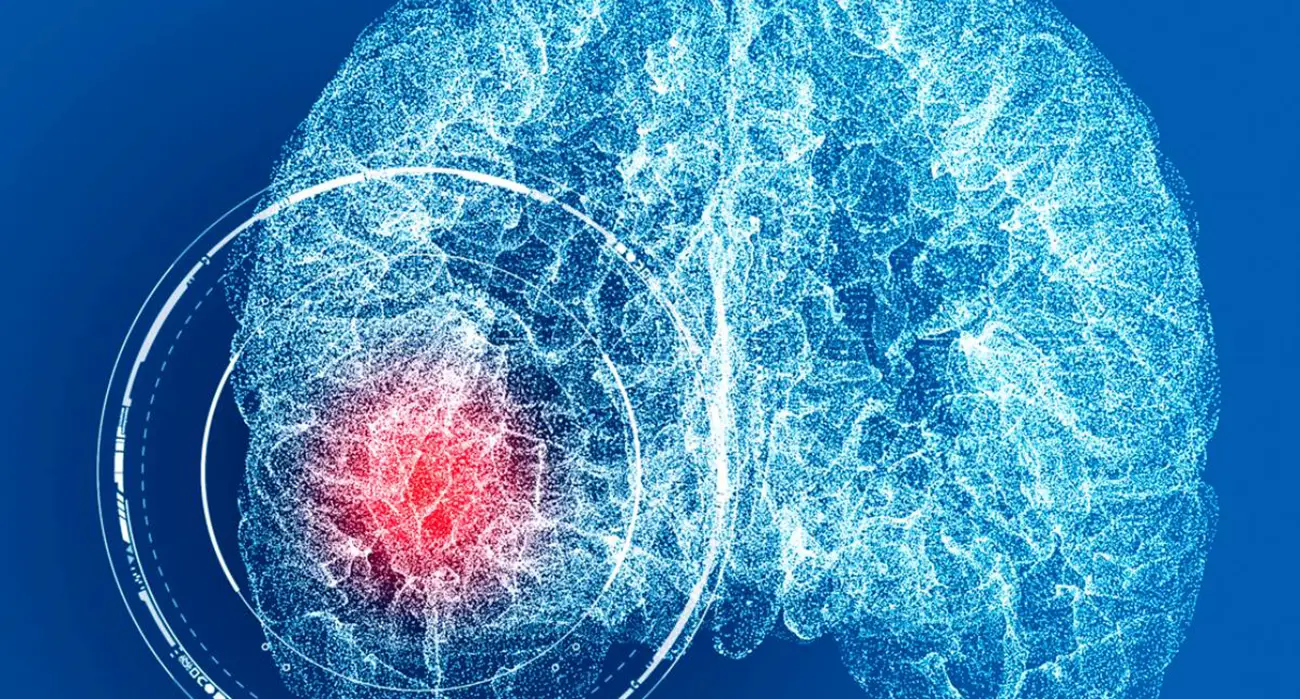





It happens every week: someone gets a brain scan for dizziness, a minor head injury, or headaches—and the report mentions an “incidental brain aneurysm.” You feel fine, your neurologic exam may be normal, and yet the word aneurysm can make it hard to think about anything else.
One of the most confusing parts is this: if a brain aneurysm can be dangerous, why don’t you feel it? The short answer is that most unruptured aneurysms are small, don’t disrupt how the brain works, and don’t irritate pain-sensitive structures. Symptoms tend to show up only when an aneurysm affects nearby nerves or when bleeding occurs.
Below, we’ll explain what a brain aneurysm is, why most don’t cause symptoms, which warning signs deserve prompt medical attention, and how aneurysms are evaluated and treated.
What a Brain Aneurysm Is (and What It Isn’t)
A brain aneurysm is a weak area in the wall of an artery that balloons outward, forming a small sac. Many aneurysms are rounded and are sometimes called “berry aneurysms.”
Having an aneurysm does not automatically mean it will rupture. Some remain stable for years. Others can change over time, which is why diagnosis should be followed by a thoughtful plan—either monitoring or preventive treatment—based on the aneurysm’s size, shape, and location, along with your overall health.
For a more complete overview, see our page on brain aneurysm treatment.
Why Most Brain Aneurysms Don’t Cause Symptoms
Most unruptured aneurysms are “silent” for a few practical reasons:
- They often stay small. A small bulge on a blood vessel can exist without pushing on anything nearby.
- They usually don’t interfere with brain function. The brain can keep working normally even when an aneurysm is present.
- Pain usually comes from structures around the brain, not the brain tissue itself. Head pain is more commonly triggered by pain-sensitive tissues such as the lining around the brain and certain blood vessels. If an aneurysm isn’t irritating those structures, you may have no warning at all.
That’s why many aneurysms are discovered incidentally on CT or MRI imaging done for another reason.
When an Unruptured Aneurysm Can Cause Symptoms
Some unruptured aneurysms do cause symptoms—usually when they become large enough or are positioned in a way that affects nearby nerves or brain structures. The symptoms depend on where the aneurysm is and what it’s pressing on.
Possible warning signs that warrant medical evaluation (even though they are not specific to aneurysms) include:
- Vision changes (blurry vision, double vision, or loss of part of the visual field)
- Pain around or behind one eye
- A drooping eyelid or a pupil that looks larger on one side
- Facial numbness or weakness
- New headaches that feel different from your usual pattern, especially if they are persistent or progressively worsening
Headaches are extremely common and most are not caused by aneurysms. What matters is the full picture: your symptoms, your neurologic exam, and what the imaging actually shows.
Symptoms of a Ruptured Aneurysm (Call 911)
A ruptured aneurysm causes bleeding around the brain (a subarachnoid hemorrhage), and symptoms typically come on suddenly. This is a medical emergency.
Call 911 or go to the nearest emergency room immediately if you or someone near you develops:
- A sudden, severe headache (often described as the “worst headache of my life”)
- Neck stiffness
- Nausea or vomiting with a sudden severe headache
- Fainting, severe confusion, or trouble staying awake
- Seizure
- New weakness, numbness, trouble speaking, or vision loss
These symptoms can have other causes, but bleeding in or around the brain needs urgent evaluation.
How Aneurysms Are Found and What Specialists Look For
When an aneurysm is suspected or seen on imaging, your care team may use studies such as CT angiography (CTA) or MR angiography (MRA) to better define it. In some cases, a cerebral angiogram is recommended to map the aneurysm’s anatomy in greater detail.
What matters most for decision-making is not just “Do I have an aneurysm?” but:
- Size: how large it is today
- Shape: whether it has irregular features that may change management
- Location: which artery it involves and what structures are nearby
- Neck width: how the aneurysm connects to the parent vessel, which affects which treatments are feasible
After that, the plan is typically one of two paths: careful monitoring with repeat imaging, or preventive treatment to reduce rupture risk. A specialist visit is where those options become specific to you.
Treatment Options to Reduce Rupture Risk
The goal of treatment is to exclude the aneurysm from circulation (so blood does not keep pressurizing the sac) while preserving normal blood flow through the artery.
At Yashar Neurosurgery, options may include endovascular procedures performed from inside the blood vessel, as well as open microsurgery when anatomy favors it.
Endovascular Coiling
With neuroendovascular coiling, a specialist threads a catheter through the blood vessels to the aneurysm and places soft coils inside the aneurysm sac. The coils help the aneurysm clot off, reducing the chance of bleeding.
For some aneurysms, additional support helps keep coils safely positioned. This may involve balloon-assisted coiling or stent-assisted coiling, depending on aneurysm shape and neck width.
Flow Diversion
Flow diversion places a specialized stent-like device in the parent artery to redirect blood flow away from the aneurysm. Over time, the aneurysm may seal off as the blood vessel heals along the device. This strategy is often considered for certain aneurysm types and locations.
Microsurgical Clipping
In some cases, microsurgical clipping is recommended. During surgery, a neurosurgeon places a small clip across the base (neck) of the aneurysm to stop blood from entering it.
No single approach is “best” for every aneurysm. The safest plan depends on the aneurysm’s anatomy, your medical history, and the balance between treatment risk and rupture risk.
When to See a Neurosurgeon or Neuroendovascular Specialist
It makes sense to schedule a specialist evaluation if:
- You were told you have an aneurysm on imaging, even if it was described as small or incidental
- Your report contains unclear wording and you want a clear explanation of what it means
- You have a known aneurysm and want to discuss monitoring versus preventive treatment
- You have new neurologic symptoms that don’t match your usual baseline
If you have sudden severe headache or other symptoms that could suggest bleeding, don’t wait for an office visit—seek emergency care immediately.
Finding a Neuroendovascular Surgeon in Los Angeles
Being told you have a brain aneurysm can leave you stuck between “I feel normal” and “What if it ruptures?” The next step should be an expert review of your imaging and a plan that fits the details of your aneurysm—whether that means observation with structured follow-up or a procedure to reduce risk.
At Yashar Neurosurgery, Parham Yashar, MD evaluates and treats aneurysms using both advanced endovascular techniques and microsurgical options. If you’re looking for the best neuroendovascular surgeon in Los Angeles for a second opinion or treatment plan, our team can help you understand your real level of risk and the options available.
To schedule a consultation at our Los Angeles office, call (424) 209-2669.