


Instead of relying on “best in the U.S.” lists, use practical, patient-centered criteria to choose a spine surgeon who fits your diagnosis, goals, and life.





If back or neck pain is changing how you live—limiting how long you can sit at work, making driving uncomfortable, or waking you up at night—it is understandable to search for the “best spine surgeon in the United States.” Most people are not looking for a famous name. They are looking for a clear diagnosis, a plan that makes sense, and confidence they are not being rushed into the wrong procedure.
This article is a practical guide to choosing a spine surgeon, with a focus on what actually predicts a good experience: the quality of the evaluation, the options offered before surgery, the surgeon’s expertise with your specific condition, and how well the plan is explained. If you are considering a second opinion in Los Angeles or traveling for specialty care, these checkpoints can help you narrow the field quickly.
Online lists often rank surgeons by years in practice, publications, hospital affiliations, or reputation. Those details can be meaningful, but they do not tell you whether the surgeon is the right fit for the problem in your spine.
Spine care is diagnosis-specific. A surgeon who is excellent at complex deformity correction is not automatically the best match for a single-level herniated disc. A surgeon who does many fusions may not be the best fit if your goal is motion preservation and you may be a candidate for a less invasive decompression. The most useful question is not “Who is the best overall?” but “Who treats my condition frequently, and can they explain why this plan fits my symptoms and imaging?”
It also helps to remember that many spine problems improve without surgery. A strong surgeon will be comfortable saying, “You may not need an operation,” and will explain what to do next if symptoms persist.
Many patients start their search after hearing a procedure word—fusion, laminectomy, disc replacement—before they have been walked through the underlying diagnosis. That order can create unnecessary fear and can also lead to treatment that does not match the true pain generator.
A high-quality spine consultation connects three things:
Examples of clarifying questions a good consultation should answer include:
If your symptoms and imaging do not match, or if you were offered surgery without a clear explanation of the “why,” a second opinion can be a smart next step.
Choosing a surgeon is less about chasing a label and more about finding a specialist who is precise, transparent, and aligned with your goals—whether that means getting back to work, returning to training, or simply walking and sleeping comfortably again.
Spine surgery is performed by both neurosurgeons and orthopedic spine surgeons. What matters most is dedicated spine training and experience with your specific diagnosis and the procedure being discussed. During a consultation, you should feel comfortable asking how often the surgeon treats problems like yours and what outcomes they typically expect for patients with your anatomy and symptom pattern.
Not every disc bulge, degenerative change, or episode of sciatica requires surgery. A surgeon who thinks long-term will explain non-surgical options when appropriate, such as a structured physical therapy program, targeted medications, image-guided injections, and activity modifications that protect the irritated nerve while you heal.
If you want to understand how your diagnosis typically behaves over time, start with an overview of common spine conditions and bring your questions to the visit so the plan is tailored to you—not just the MRI report.
When surgery is the right next step, technique matters. In select cases, minimally invasive approaches can reduce muscle disruption and shorten recovery compared to more extensive open surgery. In other situations, motion-preserving strategies may be considered, depending on the level involved, the condition of nearby joints, and whether there is instability.
If a surgeon offers minimally invasive spine surgery, ask what that phrase means for your case. A helpful answer describes the specific approach, what it is designed to accomplish (decompression, stabilization, both), and what limitations or tradeoffs exist. “Minimally invasive” is not a one-size-fits-all promise, and a careful surgeon will tell you when it is not the safest choice.
A strong consultation ends with clarity. You should be able to summarize, in plain language:
If you leave with a procedure name but not a diagnosis, or you feel pressured to commit quickly, it is reasonable to pause and get another opinion.
You do not need to be an expert to lead a productive visit. A short list of focused questions often reveals whether you are being evaluated thoroughly and whether the recommendation is personalized.
These questions are not confrontational. They help you understand the reasoning behind the plan and whether it fits your priorities.
Many neck and back symptoms improve with time and conservative care. Some symptoms, however, warrant prompt evaluation because they can signal significant nerve or spinal cord involvement. Seek urgent medical attention if you develop:
These symptoms do not automatically mean you need surgery, but they deserve timely assessment and clear guidance on next steps.
If you live in Los Angeles—or you are traveling here for specialty care—convenience matters. But so does follow-through. Patients often do best with a team that reviews imaging carefully, explains options without rushing, and coordinates a plan from diagnosis through recovery.
It can also help to choose a practice that can address a range of problems, from initial evaluation to advanced spine surgery when appropriate, so your care stays consistent if the plan evolves over time.
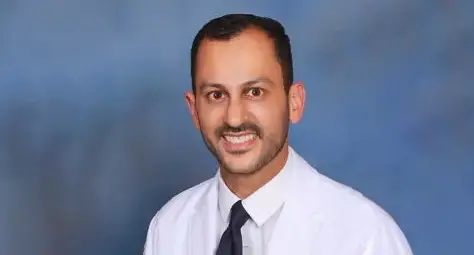
At Yashar Neurosurgery, Parham Yashar, MD is a UCLA-trained, board-certified neurosurgeon who focuses on careful diagnosis, patient education, and modern surgical techniques when surgery is truly indicated. The goal is to match the treatment to the problem—whether that means guiding you through non-surgical options, discussing an outpatient pathway for appropriate candidates, or recommending a more involved operation when it is the safest way to protect nerve function and quality of life.
If you are looking for the best minimally invasive spine surgeon in Los Angeles for a second opinion or a personalized treatment plan, contact Yashar Neurosurgery to schedule an evaluation at our Los Angeles office.




Please complete and submit the form below and a member of our staff will contact you shortly.