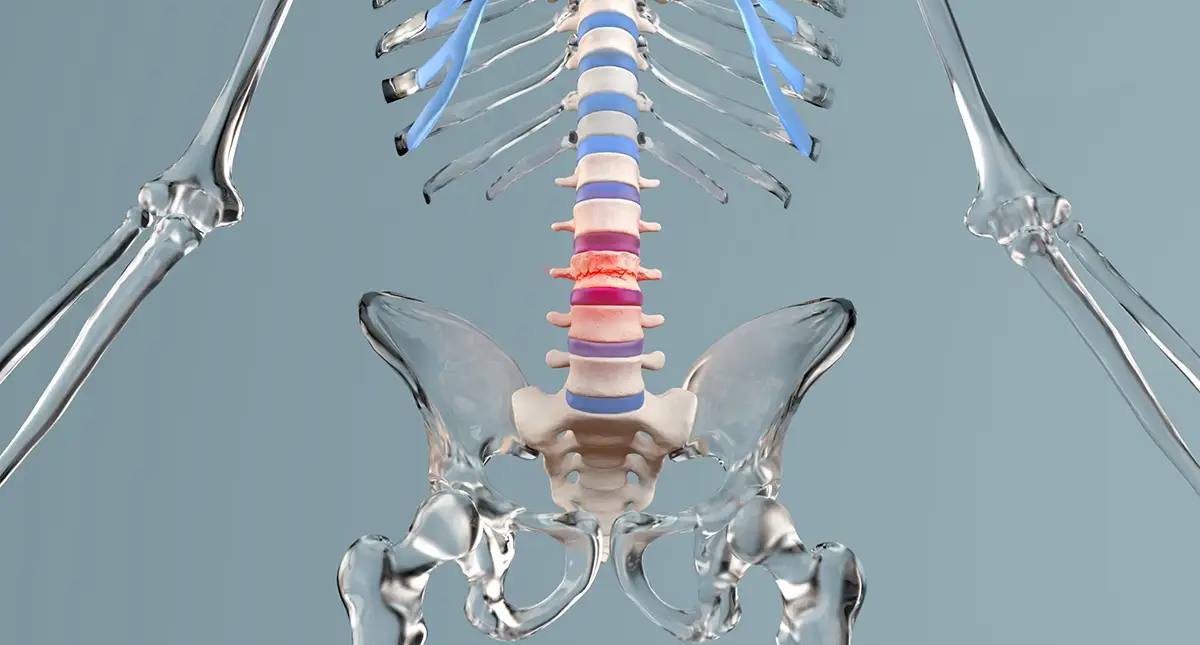





If your back or neck symptoms are starting to “run your day”—needing to sit after a short walk, leaning forward to get relief, or avoiding errands because your legs feel heavy or painful—spinal stenosis may be the reason. Many people live with these changes for months (or longer), assuming it is normal aging or something they can stretch away. But spinal stenosis is a mechanical problem: when there is less room for nerves, certain activities and positions can predictably trigger pain, numbness, or weakness.
This guide explains what spinal stenosis is, what symptoms to take seriously, and four patient-centered reasons to treat it sooner rather than later. If you are researching the best spinal stenosis surgeon in Los Angeles, start with what matters most: a clear diagnosis, an explanation you can understand, and a treatment plan matched to your goals.
What Spinal Stenosis Is (and Why It Can Hurt More with Walking)
Spinal stenosis means narrowing inside the spine that reduces the space available for the spinal cord or the nerve roots. When nerves are crowded, they can become irritated—especially during activities that further “close down” that space.
Where stenosis occurs influences how it feels:
- Lumbar stenosis (low back) often affects nerves that travel into the buttocks and legs. Symptoms can mimic or overlap with sciatica, including burning, cramping, tingling, or leg heaviness.
- Cervical stenosis (neck) can cause arm pain, hand numbness, clumsiness with fine motor tasks, and in more serious cases, balance or coordination changes.
Many patients notice a classic pattern: symptoms worsen with standing or walking and improve with sitting or leaning forward (like bending over a shopping cart). That forward-bent posture can temporarily create more space for the nerves, which is why relief can feel immediate.
Symptoms and Red Flags to Pay Attention To
Spinal stenosis is not just “back pain.” It is often a combination of pain and nerve symptoms that show up with specific movements or distances. You may have good days and bad days, or symptoms that start mild and gradually become more limiting.
Common symptoms include:
- Leg symptoms with walking such as aching, burning, cramping, numbness, or weakness that improves after sitting
- Buttock pain that can feel deep, tight, or crampy
- Arm or hand symptoms such as tingling, numbness, or reduced dexterity (more common with cervical stenosis)
- Position-related pain that worsens when looking up, arching the back, or standing tall and eases with bending forward
Get urgent medical evaluation if you develop new bowel or bladder control problems, rapidly worsening weakness, or severe balance changes. Those symptoms can signal more significant nerve or spinal cord compromise and should not be watched at home.
Four Reasons to Treat Spinal Stenosis Early
1) Pain and Numbness Can Quietly Shrink Your Mobility
People rarely stop activity all at once. More often, they slowly adapt: fewer steps, more sitting, skipping outings, avoiding stairs, and planning life around where they can rest. Over time, reduced movement can lead to stiffness and loss of strength in the core, hips, and legs—exactly the support system your spine relies on.
Early treatment is often about protecting your baseline. A focused plan can improve walking tolerance and help you stay active without constantly triggering symptoms.
2) Nerve Symptoms Can Spread Beyond “Just the Back”
Stenosis can start as an ache in the low back or neck, then evolve into symptoms that feel more widespread. If lumbar nerves are involved, pain may travel into the buttocks and down the legs. If cervical nerves are involved, symptoms may show up in the shoulders, arms, or hands.
It is also common to have stenosis alongside another source of nerve irritation, such as a disc problem. For example, a disc bulge or herniation can add pressure in an already tight space, and your care may overlap with herniated disc treatment or evaluation of other disc changes. Identifying the true driver matters, because it changes which treatments are most likely to help.
3) Physical Therapy Works Better When the Plan Matches the Anatomy
Physical therapy is often a strong first step for spinal stenosis. It can build core and hip strength, improve posture and mechanics, and teach positions that reduce nerve crowding. Many patients also benefit from gait training and endurance work that helps them return to daily routines.
But “generic back PT” is not the same as targeted stenosis rehab. The best results come when therapy is based on a clear diagnosis—where the narrowing is, what positions trigger symptoms, and whether there is a specific nerve root being pinched. If you tried PT and plateaued, or exercises consistently flare symptoms, that is a reason to re-evaluate rather than simply pushing through.
4) Waiting Can Mean More Persistent Nerve Irritation (and Fewer Easy Wins)
Not every case of stenosis worsens quickly, and many people can manage symptoms without surgery. Still, a pattern of declining walking distance, increasing numbness, or new weakness deserves attention. Ongoing compression and inflammation can make symptoms harder to calm down over time.
Early treatment does not mean “early surgery.” It means tracking function, addressing contributing factors, and keeping options open. When conservative care is no longer enough, a discussion about whether a targeted spinal decompression procedure could relieve pressure on the nerves may be appropriate.
Treatment Options for Spinal Stenosis (from Conservative Care to Surgery)
Treatment is tailored to your symptoms, exam, and imaging findings. Many patients improve with non-surgical care, especially when the plan is consistent and guided.
Non-surgical options may include:
- Activity and posture changes to reduce positions that provoke symptoms and build safer movement habits
- Physical therapy focused on core strength, hip mobility, flexibility, and walking tolerance
- Medications such as anti-inflammatories when appropriate based on your medical history
- Image-guided injections in select cases to reduce inflammation around irritated nerves and help you participate in rehab
When symptoms remain limiting despite appropriate conservative care—or if there is meaningful weakness or loss of function—surgery may be considered to create more room for the nerves. The exact procedure depends on where the compression is and what structure is causing it. Options may include:
- Lumbar foraminotomy to widen the opening where a nerve exits the spine
- Lumbar laminotomy to remove a small portion of bone/ligament and relieve pressure while preserving stability when appropriate
- Cervical laminectomy and foraminotomy to decompress the spinal cord and/or nerve roots in the neck
If your symptoms are better explained by a focal nerve compression, your evaluation may also overlap with care for a pinched nerve. The goal is the same: identify the real pain generator and match treatment to it.
When to See a Spine Specialist for Spinal Stenosis
Consider a specialist evaluation if you notice:
- Walking tolerance decreasing (needing to sit more often or stopping after shorter distances)
- Leg or arm numbness/tingling that is more frequent or lasts longer
- Weakness, heaviness, or cramping that affects daily activities
- Symptoms that interrupt sleep, work, driving, or basic routines like cooking and showering
- Limited improvement after a reasonable trial of conservative care, such as physical therapy
A thorough visit should connect the dots between your symptoms, your neurologic exam, and your imaging—then outline options in a way that helps you make a confident decision.
Finding Spinal Stenosis Treatment in Los Angeles at Yashar Neurosurgery
Spinal stenosis can be frustrating because it often looks “manageable” on paper while it steadily chips away at real life—walking the dog, traveling, standing at a child’s event, or getting through a workday without planning where to sit. At Yashar Neurosurgery, Parham Yashar, MD focuses on clear explanations and practical next steps, including conservative strategies and minimally invasive surgical options when they are truly indicated.
If you want an evaluation for spinal stenosis and a plan designed around your symptoms and goals, contact Yashar Neurosurgery in Los Angeles at (424) 209-2669 to schedule a consultation.