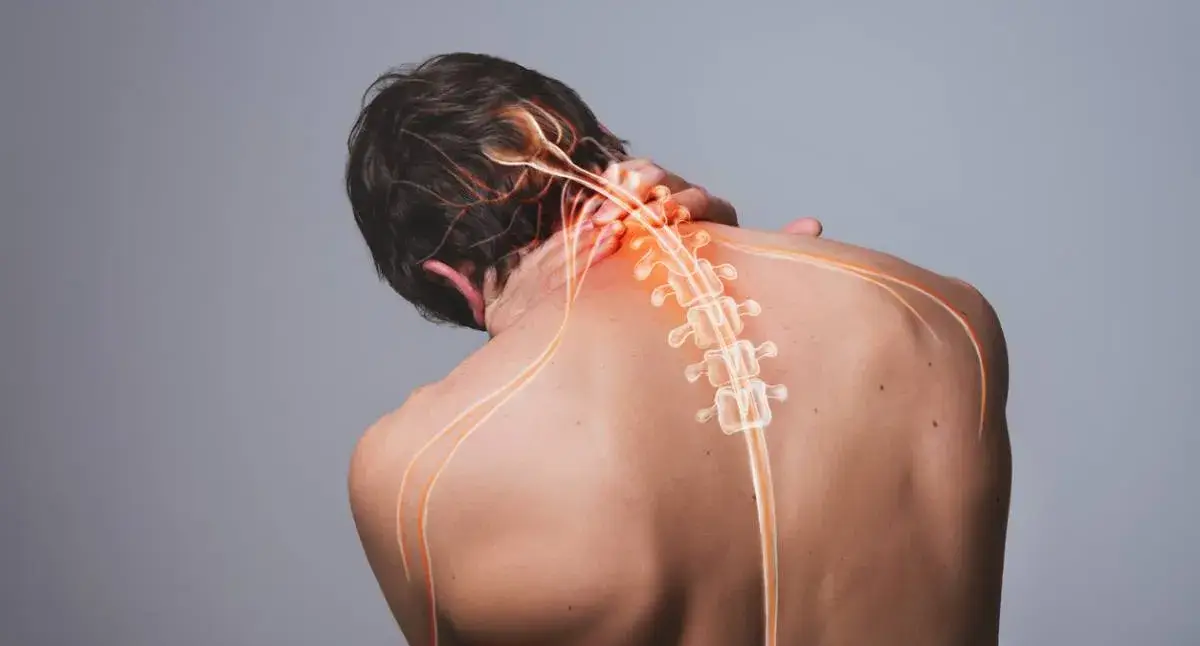





You may have experienced it: a headache that seems to begin at the base of the skull, paired with a tight neck and a shoulder that aches by the end of the day. Then you notice something else—tingling in your hand when you look down at your phone, or a sharp “electric” pain into your arm when you turn your head. When headaches show up with neck and arm symptoms, it’s reasonable to ask whether the problem is coming from a pinched nerve.
A pinched nerve in the cervical spine can contribute to certain headache patterns. The goal is not to assume every headache is “from the neck,” but to recognize the combinations of symptoms that suggest nerve irritation and to know what to do next.
Can a Pinched Nerve Cause Headaches?
It can. When a nerve in the neck is irritated—often by a bulging disc, inflammation, or degenerative changes—pain may be felt in the neck and can also be referred upward into the head. Many patients describe headaches that start in the upper neck or at the base of the skull and spread toward the back of the head, temple, or behind the eye.
There’s also a second layer that can make headaches feel relentless: when a nerve is irritated, surrounding muscles often tighten protectively. That muscle guarding can amplify head and neck pain and make symptoms more noticeable during desk work, driving, or looking down for long periods.
At the same time, headaches have many causes (including migraine and tension-type headaches), and imaging findings in the neck don’t always explain symptoms. That’s why a careful evaluation matters—especially when neurologic symptoms appear.
What “Pinched Nerve” Means (and Why Symptoms Can Travel)
“Pinched nerve” is a common phrase for nerve compression or irritation. In the spine, nerves exit through small openings between the vertebrae. When that space gets crowded—or the nerve becomes inflamed—the nerve’s signals can change. Instead of pain staying in one place, symptoms may radiate along the nerve’s path.
In the cervical spine, that can mean:
- Local symptoms like neck pain, stiffness, or pain between the shoulder blades
- Radiating symptoms into the shoulder, arm, or hand (tingling, numbness, burning pain, or weakness)
- Head and face-adjacent pain patterns that can be experienced as headaches
If you’re trying to understand next steps, start with a clear overview of pinched nerve treatment options and what typically improves nerve irritation versus what tends to prolong it.
Clues Your Headache May Be Related to Neck Nerve Irritation
Headaches connected to neck problems are rarely “just a headache.” Most patients notice a pattern—certain positions, activities, or movements repeatedly bring symptoms on.
Common features that raise suspicion for a neck-related source include:
- Headaches that begin with neck discomfort (often at the base of the skull)
- Neck stiffness or reduced range of motion, especially with turning the head
- Shoulder blade or shoulder pain that flares with posture or activity
- Tingling or numbness in the arm or hand
- Pain that shoots down the arm in a line, sometimes with burning or “electric” quality
- Weakness or clumsiness (dropping objects, grip changes, trouble with fine motor tasks)
Seek urgent medical evaluation if you have new problems with balance, coordination, significant weakness in a limb, or bowel/bladder changes. These symptoms can indicate a more serious neurologic issue that should not wait.
Common Causes of a Pinched Nerve in the Neck
Pinched nerves can happen after an injury, develop gradually with age-related wear, or flare when posture and repetitive movement overload the neck. Often, more than one factor is involved.
Bulging or Herniated Disc
Discs act like cushions between the vertebrae. If a disc bulges or herniates, it can press on or inflame a nearby nerve root and trigger radiating symptoms into the shoulder, arm, or hand. You can read more about how this is evaluated and treated in our guide to herniated disc treatment.
Arthritis, Bone Spurs, and Narrowing Around Nerves
Over time, joints can thicken and bone spurs can form, reducing the room available for nerves. This type of narrowing can overlap with broader diagnoses like spinal stenosis. In the neck, narrowing may irritate nerves and contribute to neck pain, arm symptoms, and certain headache patterns.
Repetitive Motion and “Tech Neck” Posture
Long hours looking down or forward—at a laptop, on a phone, or while driving—can load the neck and upper back. That sustained strain can inflame joints and tighten muscles, which may aggravate a sensitive nerve.
Whiplash or Other Injury
Car accidents, sports impacts, and falls can strain the joints and soft tissues of the neck. Symptoms do not always show up immediately; pain and nerve irritation can increase over the following days as inflammation and muscle spasm build.
How a Specialist Evaluates Headaches with Possible Nerve Involvement
The most important step is matching your symptoms to the most likely pain generator. A focused evaluation usually includes a neurologic exam and questions like: Where does the pain start? What triggers it? Do you have radiating symptoms into the arm? Are there signs of weakness or sensation change?
When appropriate, imaging such as MRI helps identify issues like disc herniation, narrowing around nerves, or other structural causes. Imaging is most useful when it explains the symptom pattern—because many people have age-related changes on MRI that do not necessarily cause pain.
If your symptoms sound like nerve irritation, exploring pinched nerve treatment early can shorten the cycle of flare-ups and help you avoid compensatory muscle tension that fuels headaches.
Treatment Options for a Pinched Nerve (from Conservative Care to Surgery)
Treatment depends on the cause, severity, and how much symptoms are limiting daily life. Many patients improve without surgery, particularly when care focuses on calming inflammation and restoring mechanics in the neck and upper back.
Non-Surgical Treatment
Common non-surgical approaches include:
- Activity modification to reduce positions that provoke symptoms while the nerve settles
- Targeted physical therapy to improve posture, build supportive strength, and restore safe motion
- Medication management (such as anti-inflammatories or other pain-relieving options) when appropriate
- Heat/ice and gentle mobility to ease muscle guarding
When radiating pain is present, the concept is similar to lower-back nerve irritation that causes leg symptoms (often called sciatica). If you’re experiencing radiating pain elsewhere, you may find it helpful to review sciatica treatment as an example of how nerve pain can travel and how it’s commonly treated.
When Procedures or Surgery May Be Considered
If symptoms persist despite appropriate conservative care, or if there is progressive weakness, significant numbness, or pain severe enough to limit function, your specialist may discuss additional options.
Depending on anatomy, treatment may include minimally invasive procedures designed to relieve pressure on the nerve. These can fall under the umbrella of spinal decompression. For cervical-specific narrowing, a procedure such as cervical laminectomy and foraminotomy may be considered when the goal is to create more space for the nerve or spinal cord.
Surgery is not the default. The decision is typically based on symptom duration, response to non-surgical treatment, the presence of neurologic deficits, and whether imaging findings clearly match the pain pattern.
When to See a Specialist for Headaches and Possible Pinched Nerve
Consider a spine evaluation when headaches are repeatedly paired with neck pain and any of the following:
- Arm tingling, numbness, or burning pain
- Weakness, grip changes, or clumsiness
- Pain that disrupts sleep or makes driving, working, or exercise difficult
- Symptoms that follow an injury (even if it seemed minor at first)
- Symptoms that are not improving with basic home care
Getting clarity early can help you avoid months of trial-and-error and can identify whether your headaches are more likely nerve-related, muscular, a primary headache condition, or a combination.
Finding a Los Angeles Specialist for Pinched Nerve Headaches
Headaches that seem to originate in the neck can be especially frustrating because they often don’t respond to typical headache strategies alone. A focused spine and neurologic evaluation can clarify whether cervical nerve irritation is playing a role and what treatment is most appropriate.
At Yashar Neurosurgery, Parham Yashar, MD provides patient-centered evaluation and treatment for complex neck and nerve conditions, including minimally invasive approaches when indicated. If you’re searching for a spine specialist for pinched nerve headaches in Los Angeles, our team can help you understand what’s driving your symptoms and what realistic options look like.
To schedule an evaluation at Yashar Neurosurgery in Los Angeles, call (424) 209-2669 or visit us at 8436 W. 3rd Street, Suite 800, Los Angeles, CA 90048.