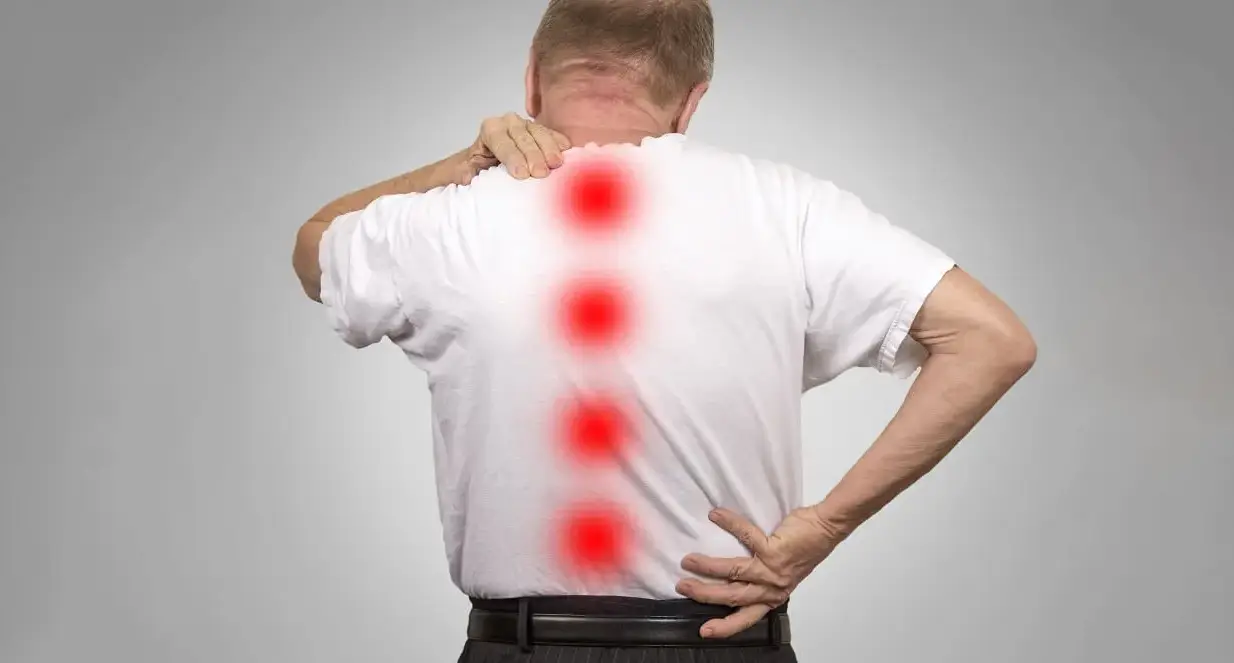





You might notice it in small, frustrating ways: your legs start burning or cramping halfway through a grocery store aisle, your hands feel numb when you drive, or your neck and shoulders ache along with new clumsiness when you button a shirt. When symptoms like these show up, a common question is whether spinal stenosis is the reason—and whether spinal stenosis actually causes pain.
Yes, spinal stenosis can cause pain. It can also cause numbness, tingling, heaviness, cramping, weakness, or balance problems. At the same time, some people have spinal canal narrowing on an MRI and feel very little. The difference comes down to where the narrowing is, what structures are being compressed, and how your nerves respond.
What Spinal Stenosis Is (and Why It Can Hurt)
Spinal stenosis means the spinal canal—think of it as the protective tunnel for the spinal cord and nerve roots—has become too tight. When there is less room, nearby nerves can become irritated or compressed.
Nerves do not like pressure. Compression can trigger inflammatory changes and disrupt how nerves send signals, which is why stenosis may feel like:
- Pain: in the neck or low back, or radiating into the arms or legs
- Tingling or numbness: often in the hands, arms, feet, or legs
- Cramping or heaviness: particularly in the legs with walking
- Weakness or coordination changes: when the spinal cord or nerve roots are significantly affected
Where the stenosis occurs matters a lot. Cervical (neck) stenosis can involve the spinal cord itself. Lumbar (low back) stenosis more often affects individual nerve roots traveling into the legs.
Does Everyone with Spinal Stenosis Feel Pain?
No. Some people have stenosis that is visible on imaging but not severe enough (or not positioned in a way) to irritate nerves. Others may have symptoms only in certain positions or only after they have been on their feet for a while.
A classic lumbar stenosis pattern is symptoms that get worse with standing or walking and ease when you sit down or lean forward (for example, leaning on a shopping cart). That forward-leaning position can temporarily create a little more space for nerves in the lower back.
In the neck, symptoms can be more unpredictable. If the spinal cord is involved, people may notice subtle changes first—like decreased hand dexterity or feeling unsteady—before they label the problem as “pain.”
Common Symptoms by Location
Cervical (Neck) Stenosis Symptoms
- Neck pain or stiffness
- Numbness or tingling in the arms or hands
- Hand weakness or trouble with fine motor tasks (writing, buttons, typing)
- Balance issues, unsteadiness, or coordination changes
Lumbar (Low Back) Stenosis Symptoms
- Low back pain that flares with standing or walking
- Leg cramping, heaviness, or fatigue with activity
- Numbness or tingling traveling into the buttocks, thighs, calves, or feet
- Weakness in the legs or feet
Get urgent medical evaluation if you develop new bowel or bladder control changes, rapidly worsening weakness, or severe symptoms that escalate quickly. These can be signs of significant nerve or spinal cord involvement and should not be monitored at home.
What Causes Spinal Stenosis?
Most spinal stenosis develops over time. As the spine ages, discs can lose height and elasticity, joints can become arthritic, and the body may form extra bone or thicken supporting ligaments. All of these changes can crowd the space where nerves travel.
Common contributors include:
- Osteoarthritis treatment-related wear in the spine’s small joints
- Bone spur treatment-level bony overgrowth that reduces nerve space
- Degenerative disc disease treatment-related disc height loss and alignment changes
Stenosis can also occur before age 50. Some people are born with a narrower spinal canal. Others develop narrowing after trauma or due to less common structural problems. If you are younger and have persistent numbness, tingling, cramping, or weakness—especially if it is progressing—an evaluation helps determine whether stenosis is actually the cause or if something else is mimicking it.
How Spinal Stenosis Is Diagnosed
A good diagnosis starts with matching your symptoms to your exam findings and imaging—not simply pointing to an MRI and saying “there’s stenosis.” A clinician will typically evaluate strength, sensation, reflexes, gait, and signs of nerve irritation or spinal cord involvement.
Imaging may include:
- X-rays: to assess alignment, arthritis, and instability
- MRI: to visualize nerves, discs, and soft tissues and identify where compression occurs
- CT (sometimes with myelography): when more bony detail is needed or MRI is not an option
The goal is to identify which level(s) are responsible for your symptoms and to rule out other causes of leg pain, arm numbness, or weakness.
Treatment Options for Spinal Stenosis
Treatment usually starts with the least invasive options that can improve function and reduce nerve irritation. Many people can manage symptoms well without surgery, especially early on.
Non-Surgical Treatments
- Activity changes and pacing: adjusting walking/standing time and using symptom-relieving positions
- Medication: over-the-counter anti-inflammatories or other prescriptions when appropriate
- Physical therapy: core strength, hip mobility, posture, and movement strategies that reduce nerve stress
- Weight management: when extra load is worsening back mechanics
- Targeted injections: to reduce inflammation around irritated nerves and help you participate more effectively in rehab
Conservative care does not “undo” narrowing, but it can reduce pain, improve walking tolerance, and help you stay active.
Minimally Invasive Surgical Options
If symptoms persist despite appropriate conservative treatment—or if there is worsening weakness or concerning spinal cord findings—surgery may be discussed. The primary goal of surgery for stenosis is decompression: creating more space for nerves.
Depending on where your stenosis is and what is causing the crowding, options may include:
- Spinal decompression to relieve pressure on the spinal cord or nerve roots
- Lumbar foraminotomy to open the side channels where nerves exit the spine
- Lumbar laminotomy to remove a small portion of bone/ligament contributing to narrowing
- Cervical laminectomy and foraminotomy to decompress the spinal cord and/or nerve roots in the neck
Some patients also need stabilization if there is significant instability or deformity. A detailed evaluation helps clarify which approach fits your anatomy and goals.
When to See a Spine Specialist
Consider a specialist evaluation if you have:
- Back or neck symptoms that limit walking, standing, sleeping, or working
- Numbness, tingling, cramping, or weakness in the arms or legs
- Symptoms that are gradually worsening or not improving with first-line care
- Balance problems, hand clumsiness, or signs that may involve the spinal cord
- An MRI that mentions stenosis and you want clarity on what it means for you
Even when surgery is not on the table, a clear diagnosis can prevent months of trial-and-error and help you focus on the treatments most likely to move the needle.
Finding the Best Spinal Decompression Surgeon in Los Angeles
Spinal stenosis can quietly shrink your life—shorter walks, more sitting breaks, less confidence on stairs, and constant planning around flare-ups. At Yashar Neurosurgery, Parham Yashar, MD, takes a careful, stepwise approach: confirm the true pain generator, start with appropriate conservative options, and consider minimally invasive decompression when it is the right fit.
If you are looking for the best spinal decompression surgeon in Los Angeles for an honest evaluation of spinal stenosis symptoms, our team can review your history and imaging, explain what is causing the nerve pressure, and discuss options that align with your goals. To schedule a consultation at our Los Angeles office, call (424) 209-2669.