




It can start as a sudden, sharp pain in the mid-back after a fall—or as an aching pain that appears “out of nowhere” when you roll in bed or reach for something on a shelf. If the pain is intense, localized, and makes standing, walking, or sleeping difficult, a vertebral compression fracture may be the reason. For patients looking for compression fracture treatment in Los Angeles, the most helpful first step is understanding whether the fracture is new, stable, and likely to heal with conservative care, or whether it needs closer monitoring or a procedure.
Compression fractures can be painful and disruptive, but they are also very treatable. The right plan depends on the cause (most commonly osteoporosis or trauma), how much the bone has collapsed, and whether there are any signs of nerve or spinal cord involvement. Below is a practical, patient-focused guide to how compression fractures are treated and when it makes sense to see a spine specialist.
What a Compression Fracture Is (and What’s Actually Causing the Pain)
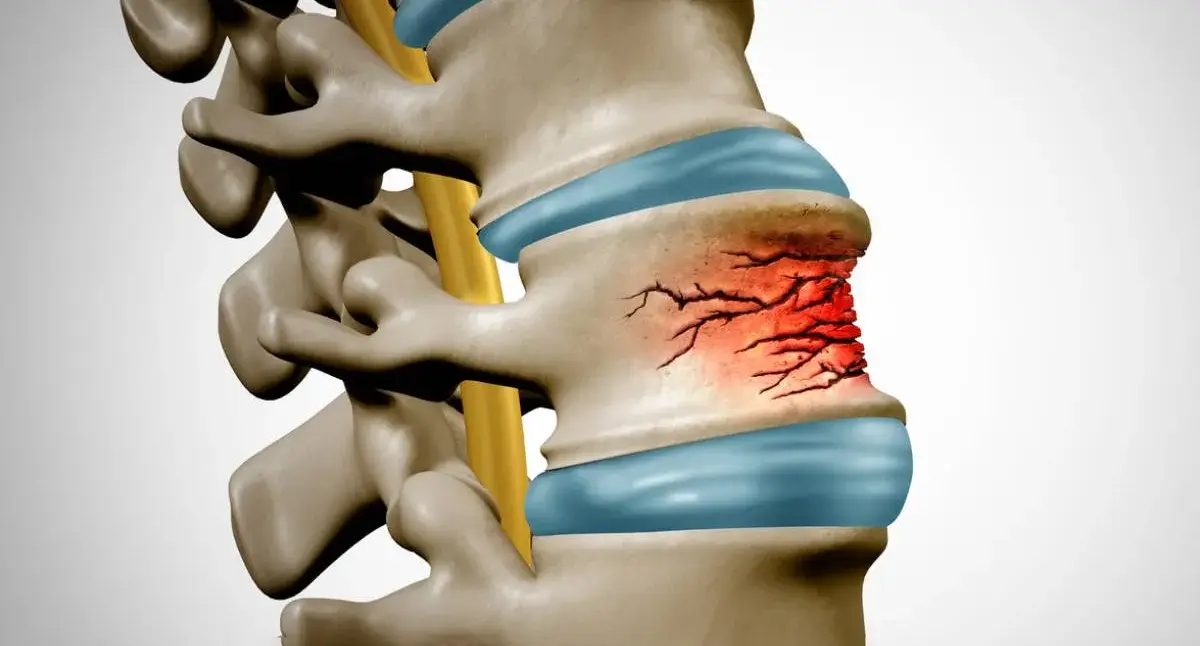
Your spine is made of stacked bones called vertebrae. A compression fracture happens when a vertebra partially collapses—often more in the front than the back—so it can take on a wedge-like shape. That collapse can hurt for several reasons: the bone itself is injured, the surrounding muscles spasm to “guard” the area, and the spine’s normal alignment changes, increasing stress on nearby joints.
Some compression fractures follow significant trauma, such as a car accident or a hard fall. Many others happen in people with weakened bones from osteoporosis, where even a relatively low-force event (a stumble, lifting a suitcase, coughing hard) can be enough to fracture a vertebra.
In addition to pain, compression fractures can gradually affect posture and height. Multiple fractures over time can contribute to a forward-stooped posture (kyphosis) and make standing or walking feel exhausting because the spine has to work harder to keep you upright.
Symptoms and Red Flags to Take Seriously
Some people have mild symptoms at first, while others develop pain that immediately limits movement. The pattern matters: compression-fracture pain is often worse with standing, walking, and position changes, and may improve when lying down.
Common Symptoms
- Sudden back pain in the thoracic (mid-back) or lumbar (low back) spine
- Pain with standing or walking that eases when you rest
- Tenderness over a specific vertebra
- New stooped posture or visible rounding of the upper back
- Loss of height noticed over weeks to months
- Limited mobility because bending, reaching, or turning triggers pain
When to Seek Prompt Medical Care
- Numbness, tingling, or weakness in the legs
- Trouble walking or sudden worsening balance
- New bowel or bladder control problems
- Severe pain after major trauma (for example, a car accident)
These symptoms do not confirm a dangerous injury on their own, but they raise concern for a more complex spinal injury and should be evaluated without delay.
How Compression Fractures Are Diagnosed
A diagnosis usually starts with a focused history (when the pain began, what triggered it, osteoporosis risk factors, steroid use, cancer history) and a physical exam. Imaging helps confirm the fracture and clarify whether it is new and active or older and already healed.
- X-ray: Often the first test; can show loss of vertebral height and alignment changes.
- MRI: Helps determine whether the fracture is recent (with bone swelling) and can identify other pain sources that may mimic a fracture.
- CT scan: Provides detailed information about the bony anatomy, especially after trauma or when the fracture pattern is complex.
- Bone density scan (DEXA): Commonly used when osteoporosis is suspected, to guide prevention and reduce the risk of future fractures.
Accurate diagnosis matters because treatment is not only about calming pain today—it is also about preventing the next fracture if bone quality is part of the problem.
Non-Surgical Treatment Options (What Most Patients Start With)
Many stable compression fractures improve with time and conservative care. The goal is to control pain, protect the healing bone, and keep you safely mobile so you do not lose strength and balance during recovery.
Pain Relief and Protected Activity
Early treatment may include short-term pain medication and a temporary reduction in activities that spike pain, such as heavy lifting, repeated bending, or prolonged standing. For some patients, anti-inflammatory medications may be appropriate; for others, they may be limited based on other health conditions. Your clinician can help choose options that fit your medical history.
Short periods of rest can help during the worst pain, but prolonged bed rest often backfires by increasing stiffness and weakening the muscles that support your spine.
Bracing
A back brace can reduce painful motion, provide support while the fracture heals, and help some patients tolerate everyday movement more comfortably. Bracing is typically temporary and should be used with a specific plan so you maintain strength and do not become overly dependent on it.
Physical Therapy
Physical therapy is often introduced once the sharpest pain is controlled. It typically focuses on safe movement, posture support, gentle core and hip strengthening, and balance training. For patients whose fracture was related to a fall, therapy can also target fall-prevention strategies so you feel steadier and more confident when walking.
Addressing Osteoporosis When It’s the Underlying Cause
If osteoporosis contributed to the fracture, treating bone health becomes part of treating the fracture. That may include calcium and vitamin D guidance, prescription medications that improve bone density when appropriate, and a plan for safe weight-bearing exercise. This matters because repeat compression fractures are a common reason people develop progressive posture changes and chronic back pain.
For additional background on related diagnoses, you can browse our spine conditions library.
When a Procedure Like Kyphoplasty May Help
Conservative care is often the first step, but some patients remain stuck—still in significant pain, unable to return to basic activities, or showing signs that the vertebra is continuing to collapse. In those situations, a minimally invasive procedure may be discussed.
Kyphoplasty is a procedure designed to stabilize a painful vertebral compression fracture. In simplified terms, the surgeon creates a small working channel into the fractured vertebra, uses a balloon to gently create space, and then places medical cement to support the bone. The goal is to reduce pain related to fracture movement and improve stability.
Kyphoplasty is not the right choice for every fracture. Candidacy depends on factors such as how recent the fracture is, what the MRI shows, the fracture pattern, your overall health, and whether there are other pain generators (like arthritic facet joints) contributing to symptoms. A specialist can help you understand whether a procedure is likely to help, or whether continued non-surgical care is the safer plan.
You can read more about options on our compression fracture treatment page.
What Recovery Commonly Looks Like
Recovery varies with age, bone quality, and the severity and number of fractures. Many patients feel gradual improvement over several weeks, with continued gains over the next few months as pain decreases and strength returns.
Recovery planning often includes:
- Follow-up visits (and sometimes imaging) to confirm stability and healing
- A stepwise return to walking and daily activities
- Posture and core strengthening once tolerated
- Fall-risk reduction strategies at home and outdoors
If you have a procedure, your surgeon will outline specific restrictions and a timeline for returning to exercise and physical therapy.
Preventing Future Compression Fractures
After one compression fracture, prevention becomes part of the treatment plan—especially if osteoporosis is present. The goal is to protect bone strength and reduce fall risk without putting your life on pause.
- Support bone health: Ask whether osteoporosis evaluation is appropriate and whether supplements or prescriptions may help.
- Train balance and strength: Walking and supervised strengthening can lower fall risk.
- Make your home safer: Improve lighting, remove loose rugs and cords, and use handrails when needed.
- Avoid smoking and excess alcohol: Both can worsen bone health over time.
- Use safer lifting mechanics: Keep loads close, avoid twisting, and get help with heavy objects.
Compression Fracture Treatment in Los Angeles at Yashar Neurosurgery
When you are dealing with a suspected or confirmed compression fracture, the hardest part is often uncertainty: Is this something that will heal with time, or is it a fracture that needs more active intervention? At Yashar Neurosurgery, Parham Yashar, MD takes a diagnosis-first approach—reviewing your symptoms, your imaging, and your bone health—so your plan matches the fracture you actually have.
If you have new back pain after a fall, a known vertebral compression fracture, or persistent pain that is limiting your ability to walk, sleep, or function, our Los Angeles team can help you understand your options, including conservative care and minimally invasive procedures when appropriate. You can also explore our spine surgery resources to learn more about how treatment decisions are made, then contact our office to schedule an evaluation.