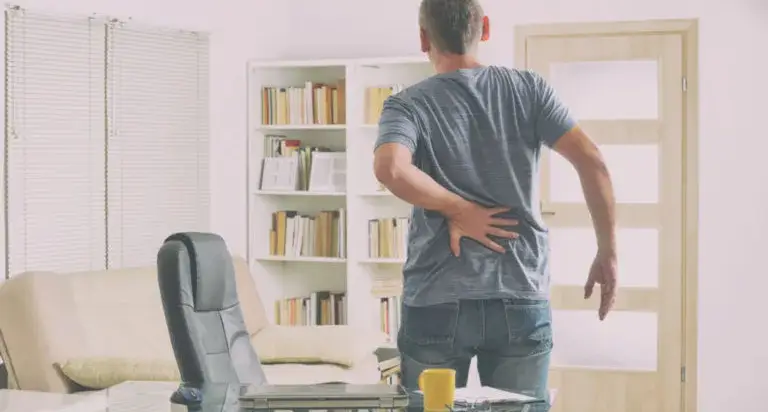





When back or neck pain keeps interrupting your day, it rarely stays “just annoying.” Maybe you’re cutting walks short because your leg starts burning or cramping. Maybe sitting at your desk makes your low back tighten up, or you’re waking up at night with arm numbness. If symptoms are lasting, spreading, or affecting strength, one possible reason is that a spinal nerve is being squeezed or irritated.
Spinal decompression in Los Angeles can refer to several treatments that aim to take pressure off nerves so they can calm down. The right plan depends on what’s causing the compression and whether your symptoms are improving or getting worse. Below, we’ll walk through what decompression means, the daily factors that can aggravate nerve pain, and when it’s time to consider a specialist evaluation.
What Spinal Decompression Is (and What It Isn’t)
“Spinal decompression” is a medical concept, not a single procedure. It means creating more room for the spinal cord or nerve roots when they’re crowded—either through non-surgical care or, when appropriate, surgery.
Think of nerve compression like stepping on a garden hose. The nerve can become inflamed and hypersensitive, and pain can travel along its path—down an arm, into the buttock, or down the leg. Decompression treatments are designed to reduce that pressure so symptoms like pain, tingling, heaviness, or weakness have a chance to improve.
Importantly, decompression is not about “treating an MRI.” Many people have disc bulges, arthritis, or narrowing on imaging without severe symptoms. The goal is to match your specific symptoms and exam findings to the exact level and cause of nerve irritation.
If you’d like a clearer overview of decompression approaches, visit our page on spinal decompression.
Signs Your Pain May Be Coming from Nerve Compression
Muscle strain and joint soreness can be painful, but nerve-related symptoms often behave differently. They may travel, feel electric or burning, or show up with certain positions (standing, walking, bending, or sleeping).
Common symptoms that may point toward nerve irritation or compression include:
- Pain that radiates into an arm/hand or buttock/leg (often called radicular pain or “sciatica-like” pain)
- Tingling, pins-and-needles, or numbness in the hands or feet
- Weakness—like foot drop, grip weakness, or a leg that feels unreliable
- Walking intolerance: symptoms that build with standing/walking and ease with sitting or leaning forward
- Night symptoms that wake you up or force frequent position changes
Seek urgent medical attention if you develop new bowel or bladder control problems, severe or rapidly progressing weakness, or numbness in the groin/saddle area. Those can be signs of a more serious problem that needs immediate evaluation.
Everyday Habits That Can Keep Symptoms Smoldering
Daily habits don’t usually “cause” structural spine narrowing on their own, but they can keep the area irritated and make flare-ups more frequent. When your nervous system is already sensitized, small stressors—poor posture, long sitting, or a bad sleep setup—can have an outsized effect.
Poor Posture and Prolonged Sitting
Long hours at a laptop or in the car often pull the head forward and round the shoulders, increasing stress on the neck and upper back. In the low back, slouching can change load distribution across the discs and facet joints and trigger muscle guarding.
Practical changes that help many patients include using a chair with lumbar support, keeping feet flat, raising the monitor to eye level, and standing up to move every 30 to 60 minutes. If pain consistently spikes with sitting, that pattern is worth mentioning during a spine evaluation.
Sleep Position and Mattress Support
Sleep is when many patients realize their pain is no longer manageable. A mattress that is too soft or worn can let the hips sag and twist the spine. Pillows that are too high (or too flat) can stress the neck for hours.
Common adjustments include:
- Back sleepers: a pillow under the knees can reduce low-back strain.
- Side sleepers: a pillow between the knees can reduce pelvic rotation and ease pressure on the low back.
- Stomach sleepers: this position often forces the neck to rotate and can aggravate both neck and low-back symptoms.
Inflammation and Recovery Basics
Diet won’t “undo” a disc problem or arthritis, but inflammation can amplify pain and make irritated nerves feel more reactive. Many patients do better when they prioritize balanced meals (lean protein, fruits and vegetables, whole grains, and healthy fats) and address basic deficiencies with their primary care physician when indicated. This is especially relevant when pain has led to less activity, poorer sleep, and slower recovery.
Common Causes of Spinal Nerve Pressure
Spinal decompression is aimed at the mechanical issue—crowding around the nerves. The crowding itself can come from several common spine conditions:
- Spinal stenosis: narrowing of the spinal canal or nerve passageways. In the low back, it often causes leg symptoms with walking or standing that improve with sitting or leaning forward. Learn more about spinal stenosis.
- Degenerative disc disease: disc wear can reduce cushioning and contribute to inflammation or instability that irritates nerves. See degenerative disc disease treatment for an overview.
- Osteoarthritis and bone spurs: arthritic facet joints can enlarge and form bony overgrowth that crowds nearby nerves. Explore osteoarthritis treatment and bone spur treatment.
Because different problems can create similar symptoms, diagnosis typically combines a history of how your pain behaves, a neurologic exam, and imaging when appropriate.
Non-Surgical Treatment Options Before Considering Surgery
Many patients improve without surgery, even when symptoms have been lingering. The goal of conservative care is to calm inflammation, restore mobility and strength, and reduce the movements or positions that repeatedly provoke symptoms.
Depending on your diagnosis and medical history, a plan may include:
- Targeted physical therapy to build core and hip strength, improve flexibility, and retrain mechanics for walking, lifting, and sitting
- Activity and ergonomic changes that reduce repeated stress (often a key step for desk work or long drives)
- Anti-inflammatory or pain medications when appropriate and guided by your physician
- Targeted injections in select cases to reduce inflammation around a nerve and make rehab more effective
If you’ve done appropriate non-surgical care for weeks to months and symptoms are not improving—or they’re progressing—your next best step is often a focused specialist evaluation rather than “pushing through it.”
When Surgical Spinal Decompression May Make Sense
Surgery is usually considered when there’s evidence of ongoing nerve compression that is not responding to conservative care, or when neurologic function is being affected. Patients often seek a surgical opinion when they notice:
- Persistent pain that limits walking, standing, work, or sleep despite non-surgical treatment
- Progressive numbness or tingling that is spreading or becoming constant
- Weakness in an arm/hand or leg/foot, or noticeable loss of coordination
“Decompression surgery” can mean different techniques depending on where the compression is and what’s causing it. In appropriate cases, a focused decompression can be performed using minimally invasive spine surgery techniques designed to limit disruption to surrounding muscle and soft tissue.
For readers comparing broader options, our spine surgery hub explains how different procedures fit different diagnoses and goals.
Finding the Best Minimally Invasive Spine Surgeon in Los Angeles for Spinal Decompression
When nerve symptoms start shrinking your life—skipping workouts, avoiding travel, planning your day around sitting breaks—the most helpful thing you can get is clarity: what structure is causing the problem, whether the nerve is at risk, and what the least disruptive treatment plan looks like.
At Yashar Neurosurgery, Parham Yashar, MD takes time to connect your symptoms to your imaging and exam findings, then explains options in plain language—from targeted non-surgical care to minimally invasive decompression when it fits the diagnosis. If you’re searching for the best minimally invasive spine surgeon in Los Angeles for a thoughtful evaluation of persistent back or neck pain, our team is here to help.
To schedule a consultation at our Los Angeles office, call (424) 209-2669.