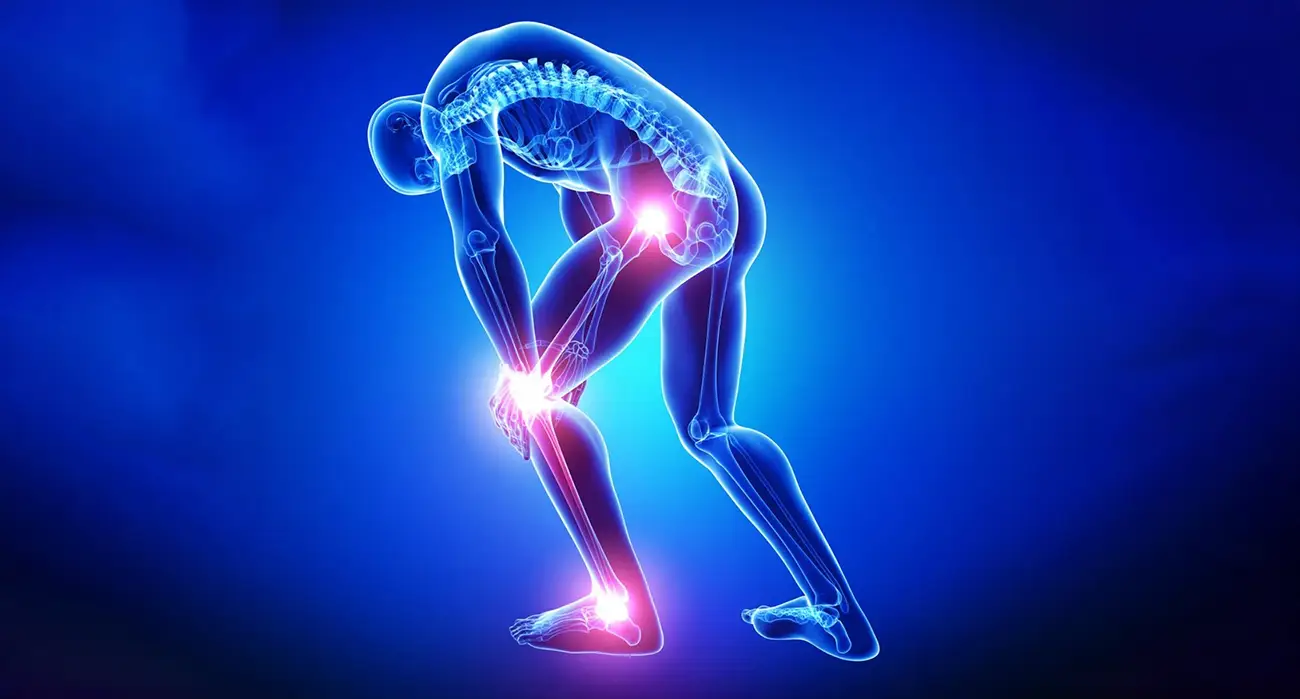





If a joint has started “talking back” to you—clicking on stairs, grinding when you turn your head, or aching after a short walk—cartilage wear may be part of the story. For some people it’s a nagging annoyance. For others, it becomes the reason they stop exercising, lose sleep, or avoid driving because turning the neck hurts.
Cartilage loss is common, but the symptoms are not something you should ignore when they keep you from living normally. This guide explains the top reasons people lose cartilage, the warning signs that suggest more than simple soreness, and what treatment can look like—especially when cartilage wear in the spine contributes to arthritis, inflammation, or nerve irritation.
What Cartilage Does (and Why Losing It Can Hurt)
Cartilage is a smooth, flexible connective tissue that covers the ends of bones inside many joints. Its job is to reduce friction and absorb shock so joints can move quietly and comfortably during everyday motion—walking, bending, lifting, and twisting.
As cartilage thins or becomes damaged, the joint loses some of its natural “cushion.” That can lead to inflammation, pain with movement, and mechanical symptoms like grinding or catching. Over time, the joint may also develop arthritic changes.
In the spine, cartilage is part of the motion system that includes discs and small facet joints. When degeneration progresses, the joints can become arthritic and crowded. In some cases, this crowding contributes to nerve compression—one reason people may feel pain that travels into an arm or leg rather than staying in the neck or back.
Symptoms of Cartilage Damage
Cartilage problems can look different depending on the joint involved and whether nearby tissues (like tendons, ligaments, or nerves) are also irritated. Many patients notice a mix of pain and “mechanical” symptoms.
Common Signs Include
- Pain during activity, after activity, or sometimes at rest
- Swelling around the joint
- Stiffness that’s worse in the morning or after sitting
- Locking or catching (the joint feels like it sticks or won’t move smoothly)
- Grinding, clicking, or popping with motion
When cartilage loss and arthritis involve the spine, symptoms may also include numbness, tingling, or weakness in an arm or leg, or pain that radiates (for example, into the buttock/leg or shoulder/arm). Those symptoms deserve a focused evaluation to determine whether a nerve is being irritated or compressed.
Top Reasons People Lose Cartilage
Cartilage loss is often multifactorial. You might have one main trigger—like a sports injury—or several contributors layered together, such as repetitive stress plus age-related degeneration.
Forceful Impacts and Traumatic Injuries
A hard fall, collision, or sudden blow can injure cartilage directly. Even after the initial swelling improves, damaged cartilage may leave the joint surface less smooth, which can cause ongoing pain or clicking.
In the spine, trauma can accelerate degenerative changes and may worsen existing arthritis. Some patients don’t connect an old injury to new symptoms until imaging shows arthritic change at the levels that took the most stress.
Repetitive Joint Stress over Time
Repetitive stress can gradually wear cartilage down, especially when your body doesn’t have time to recover. This can happen with high-impact exercise, heavy lifting, certain jobs, or even training errors—like suddenly increasing mileage or intensity.
Technique and support matter. Poor footwear, poor form, or weak supporting muscles can shift more load onto a joint surface than it was designed to handle.
Twisting Injuries (Common in Sports)
Sudden twisting—pivoting quickly while the foot stays planted, for example—can injure cartilage and other stabilizing structures. Many people describe a sharp pain followed by swelling, a feeling of instability, or episodes where the joint catches or locks.
Poor Alignment and Biomechanics
When a joint doesn’t track evenly, pressure isn’t distributed across the cartilage the way it should be. Certain areas take more load, which can speed up wear. Alignment problems can come from congenital anatomy, old injuries, muscle imbalance, or arthritic changes that shift how a joint moves.
In the spine, alignment and degeneration can feed into each other. As discs and joints age, a segment may become stiffer or less stable, increasing stress at neighboring levels. If you’re trying to make sense of overlapping causes, our overview of spine conditions can help connect common patterns of symptoms with likely sources.
How Cartilage Loss Is Diagnosed
Diagnosis starts with a detailed history and physical exam. Your clinician will want to know what triggers symptoms (walking, stairs, sitting, bending, twisting), whether swelling or catching is present, and whether there are any nerve-type symptoms like radiating pain, numbness, or weakness.
Imaging may be recommended depending on the joint and suspected cause:
- X-rays can show joint-space narrowing and arthritic changes that often go along with cartilage loss.
- MRI can better evaluate cartilage and other soft tissues and may help clarify why a joint locks or why pain persists.
When symptoms point toward the spine, evaluation also focuses on conditions that commonly overlap with cartilage wear and joint degeneration—such as osteoarthritis, degenerative disc disease, and bone spurs. These problems can narrow the spaces where nerves travel and contribute to pain patterns that don’t feel like “just back pain.”
Treatment Options for Cartilage Loss
Treatment depends on how much cartilage is involved, which joint is affected, and how significantly symptoms are limiting your life. The goal is to reduce pain, improve function, and protect the joint—often without surgery.
Non-Surgical Care
Many patients do well with conservative care, particularly when symptoms are mild to moderate or have not been treated in a structured way. Options may include:
- Physical therapy to improve mechanics, strengthen supporting muscles, and restore motion
- Pain-relieving or anti-inflammatory medications when appropriate and safe for you
- Injection therapies (such as corticosteroid injections in select situations) to calm inflammation and make rehabilitation more tolerable
- Activity modification to reduce flare-ups while staying active
- Weight management if extra load is worsening symptoms
When cartilage loss affects the spine, therapy often focuses on core strength, hip mobility, and movement strategies that reduce pressure on irritated joints and nerves. The goal is not to “push through” pain; it’s to rebuild support so daily activities feel manageable again.
When Spine Procedures May Be Considered
If symptoms continue despite several months of appropriate conservative care, or if neurologic symptoms are progressing, it may be time to discuss additional options. In the spine, arthritic changes and cartilage wear can contribute to narrowing around nerves, including spinal stenosis.
For the right candidates, minimally invasive spine surgery can address nerve compression with less disruption to surrounding muscle and tissue. Procedures in the spinal decompression family are designed to create more room for irritated nerves, which may reduce radiating pain, numbness, or weakness when those symptoms are coming from true compression. The appropriate procedure depends on your anatomy, imaging findings, and functional goals.
When to See a Specialist
If discomfort is mild and short-lived, starting with rest, smart activity changes, and targeted strengthening may be reasonable. But it’s worth getting evaluated when pain becomes persistent, mechanical symptoms change how you move, or you notice signs that may involve nerve irritation.
Consider an Evaluation If You Have
- Pain that persists or keeps returning despite rest and basic care
- Swelling, locking, or catching that affects walking, stairs, or daily movement
- New or worsening grinding/clicking plus pain
- Numbness, tingling, or weakness—especially when symptoms travel into an arm or leg
- Difficulty standing, walking, sleeping, or driving because of neck or back pain
Getting clarity early can help you avoid months of guessing, and it can identify when symptoms are being driven by spine degeneration rather than a peripheral joint problem.
Finding the Best Minimally Invasive Spine Surgeon in Los Angeles for Cartilage-Related Spine Pain
Cartilage loss doesn’t automatically mean surgery. But if spine arthritis and degeneration are narrowing nerve pathways and shrinking what you can comfortably do, you deserve a careful diagnosis and a plan that matches your goals.
At Yashar Neurosurgery, Parham Yashar, MD takes time to review your symptoms and imaging and explain what is actually causing pain—then discusses options ranging from conservative care to advanced procedures when appropriate. If you want an expert opinion from a Los Angeles spine team focused on thoughtful, minimally disruptive solutions, contact Yashar Neurosurgery to schedule an evaluation.