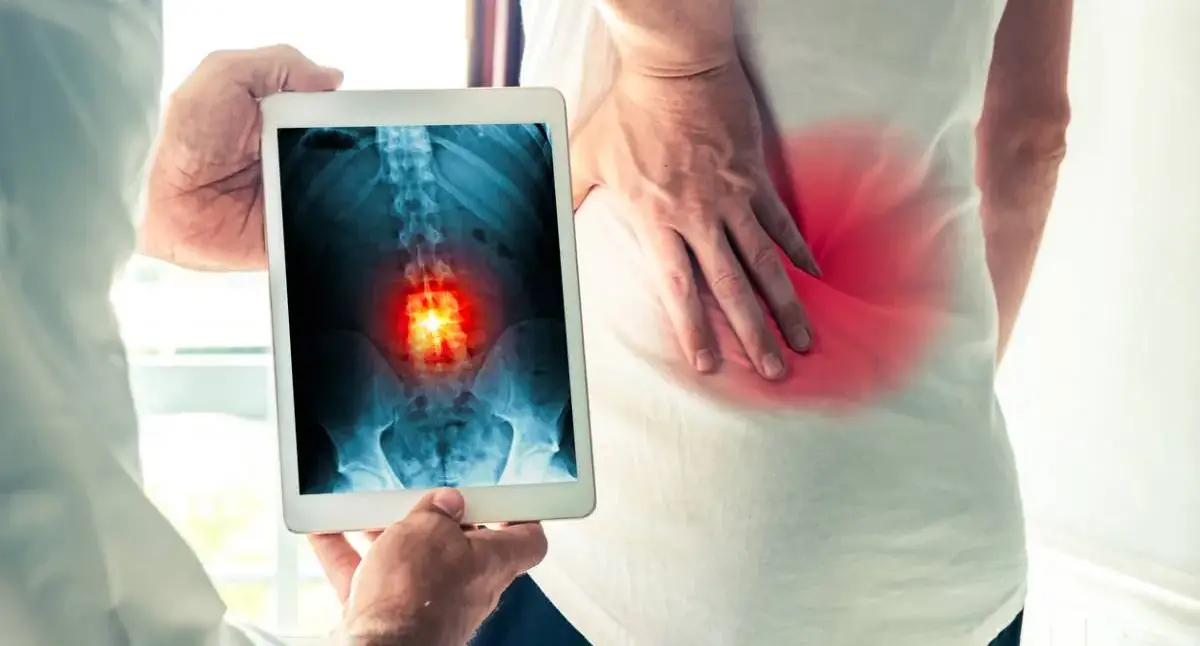





After a fall, car accident, or sports injury, it’s common to wonder whether what you’re feeling is “just soreness” or something more serious. But symptoms like new arm or leg weakness, spreading numbness, balance trouble, or changes in bladder or bowel control are different from routine back pain. They can signal a problem affecting the spinal cord or the nerves that branch from it.
This article explains the most common types of spinal cord injuries, what symptoms deserve urgent attention, how doctors diagnose these injuries, and the treatment options that may be recommended. If you’re searching for the best minimally invasive spine surgeon in Los Angeles for a thoughtful evaluation, understanding these basics can help you ask better questions and move forward with more confidence.
Spine and Spinal Cord Anatomy (without the Jargon)
Your spine is a stack of vertebrae with cushioning discs between them. Through the center runs the spinal canal, which protects the spinal cord. The spinal cord is like a “main cable” carrying signals between the brain and the body. At each level, nerve roots exit the canal and travel to specific areas—your arms, chest, trunk, and legs.
Spine and spinal cord symptoms are often described by region:
- Cervical spine (neck): Problems here can affect the arms and hands, and higher injuries can affect breathing and full-body strength.
- Thoracic spine (upper and mid-back): Symptoms often involve the trunk and legs, with changes in balance, coordination, or walking.
- Lumbar spine (lower back): The spinal cord typically ends above the lumbar region, but important nerve roots continue downward; issues here commonly affect leg strength and sensation.
- Sacral region (pelvis): Nerve roots in this area influence sensation and function in the pelvis, including bowel, bladder, and parts of the legs.
It’s also worth knowing that severe pain, numbness, and weakness do not automatically mean the spinal cord is damaged. Conditions like herniated disc treatment or pinched nerve treatment can cause dramatic symptoms by irritating or compressing nerve roots, and they may require a different (and sometimes less urgent) plan than a true spinal cord injury.
What Are the Main Types of Spinal Cord Injuries?
Clinically, spinal cord injuries are commonly grouped into complete and incomplete injuries. These labels describe how much signal still travels through the spinal cord below the injury level.
Complete Spinal Cord Injury
A complete spinal cord injury means there is a total loss of motor function (movement) and sensory function (feeling) below the level of injury. This is the most severe category and can lead to paralysis below the injury level.
What it looks like varies by location:
- Cervical injuries may affect both arms and legs and can be associated with breathing difficulty at higher levels.
- Thoracic injuries more often affect trunk control and leg function.
- Lower injuries may spare the arms but still significantly impact walking and bowel/bladder function.
Even when symptoms are dramatic, imaging and a specialist neurologic exam are still needed to confirm the injury pattern and to identify whether treatable compression, bleeding, or instability is present.
Incomplete Spinal Cord Injury
An incomplete spinal cord injury means some communication remains through the spinal cord. A person may keep some movement, some sensation, or a mix of both below the injury level. Incomplete injuries range widely—from mild hand clumsiness or leg weakness to significant walking difficulty.
Incomplete injuries often involve:
- Compression from bone, disc material, swelling, or bleeding
- Partial tissue damage within the cord
- Mixed sensory and motor changes, sometimes affecting one side more than the other
Because symptoms can change as swelling evolves, early evaluation and careful follow-up can matter a great deal.
Symptoms and Red Flags You Should Not Ignore
Symptoms depend on where the injury is and whether the spinal cord, the nerve roots, or both are involved. Some people feel symptoms immediately after trauma; others worsen over hours or days as inflammation increases.
Seek urgent medical evaluation for:
- New or worsening weakness in an arm, hand, leg, or foot
- Numbness, tingling, or “electric” sensations spreading into the arms or legs
- Difficulty with walking, balance, or coordination
- Severe neck or back pain after trauma, especially with neurologic symptoms
- New bowel or bladder changes (incontinence, inability to urinate, or numbness in the groin/saddle area)
- Symptoms that progress instead of improving
If you’re experiencing severe weakness, trouble walking, or bowel/bladder changes, don’t wait for a routine appointment. Those can be time-sensitive signs that require emergency assessment.
How Spinal Cord Injuries Are Diagnosed
Diagnosis starts with a focused history (what happened, what changed, when) and a neurologic exam to evaluate strength, sensation, reflexes, and coordination. Imaging then helps identify what’s happening structurally.
Common tests include:
- MRI to evaluate the spinal cord, discs, ligaments, and soft-tissue compression
- CT to detect fractures and define bony anatomy
- X-rays to assess alignment and, in selected cases, instability
The key questions the care team is trying to answer are: Where is the injury? Is there ongoing compression that can be relieved? Is the spine stable? The answers guide next steps ranging from observation and rehabilitation to urgent intervention, including certain types of spine surgery.
Treatment Options: What Care May Include
Treatment depends on the severity of symptoms, the stability of the spine, and whether there is ongoing compression of the spinal cord or nerves. Some patients need urgent surgical care; others improve with a structured non-surgical plan and close monitoring.
Non-Surgical Care
Non-surgical treatment may be appropriate when the spine is stable and there is no urgent compression requiring surgery, or as part of recovery after surgical stabilization. Treatment can include:
- Medication to manage pain and reduce inflammation
- Physical and occupational therapy to rebuild strength, restore function, and improve safety with walking and daily tasks
- Bracing and activity modification when protection is needed during healing
Some people who worry they have a “spinal cord injury” actually have a treatable nerve-root problem, such as sciatica. A targeted workup helps distinguish spinal cord involvement from issues like sciatica treatment in Los Angeles, which can cause intense leg pain, tingling, and weakness without directly injuring the cord.
Surgical Care
Surgery may be recommended if there is spinal instability, significant compression of the spinal cord or nerve roots, progressive neurologic deficits, or pain that does not improve with an appropriate conservative plan. Procedures vary, but the goals are typically to:
- Decompress (create space for the spinal cord/nerves)
- Stabilize the spine when instability is present
When surgery is appropriate, some patients may be candidates for minimally invasive spine surgery, which aims to reduce muscle disruption with smaller incisions when feasible. The right approach depends on the injury pattern, anatomy, and overall health.
Compression Fractures: a Common Injury with Different Treatment Options
Not every spine injury damages the spinal cord. One common problem—especially after a fall or in people with reduced bone density—is a vertebral compression fracture, where a vertebra partially collapses. This can cause severe localized back pain, difficulty standing upright, and trouble sleeping comfortably. In some cases, changes in alignment can contribute to nerve irritation.
Treatment may include pain control, temporary bracing, and a gradual return to activity. For certain painful fractures that don’t improve, minimally invasive stabilization may be considered. You can learn more about compression fracture treatment, including whether kyphoplasty is appropriate for your situation.
Finding Spinal Cord Injury Care in Los Angeles at Yashar Neurosurgery
Spinal cord and spinal nerve symptoms can feel frightening—especially when they affect walking, hand function, or bladder and bowel control. At Yashar Neurosurgery, Parham Yashar, MD takes time to review your symptoms, neurologic exam findings, and imaging to clarify what’s happening and what your options are, including non-surgical care and advanced surgical approaches when needed.
If you need an evaluation with the best minimally invasive spine surgeon in Los Angeles, contact Yashar Neurosurgery at (424) 209-2669 or request an appointment at 8436 W. 3rd Street, Suite 800, Los Angeles, CA 90048.