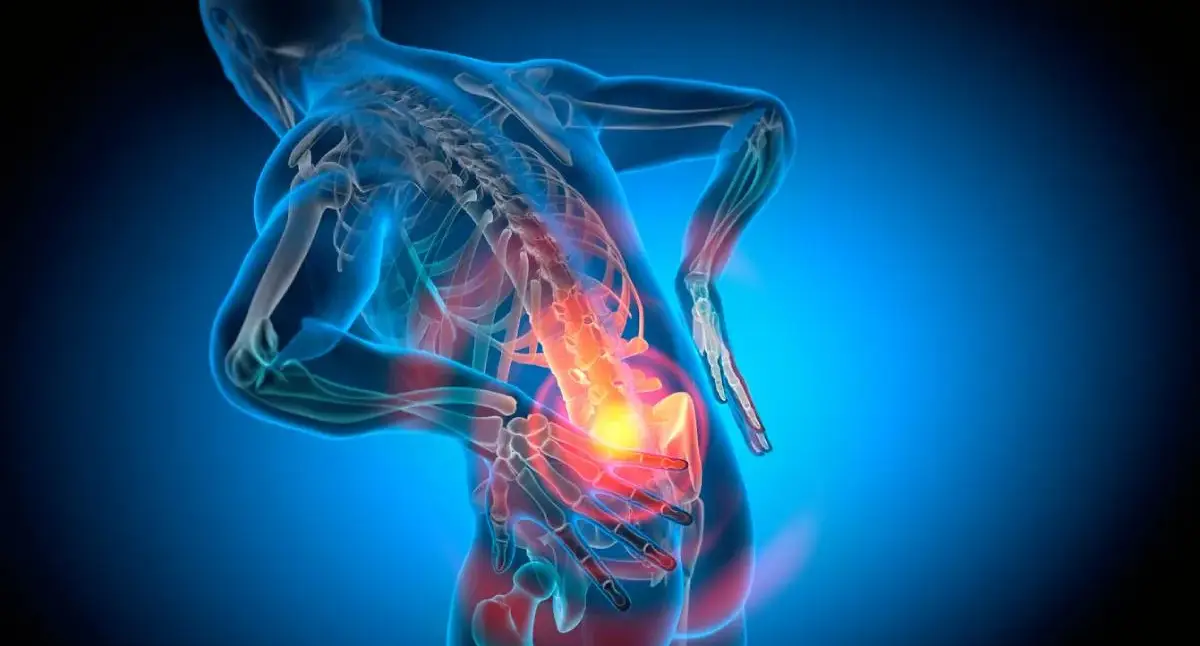





If your neck or back pain is starting to change how you move, it deserves a closer look. Maybe you have pain that keeps you up at night, a tight “band” feeling around your chest or belly, hands that feel clumsy when buttoning a shirt, or legs that don’t feel as steady on stairs. When symptoms like these build over days or weeks, one possible explanation is spinal cord compression.
Spinal cord compression means the spinal cord is being pressed on. That pressure can interfere with how nerves send signals to the rest of your body. Some causes are urgent, and some are treatable with a thoughtful, stepwise plan. The most important first step is getting the right diagnosis so you know what is being compressed, where, and why.
What Spinal Cord Compression Is
Your spinal cord is part of the central nervous system. It runs from the base of the brain down through the spinal canal, protected by the vertebrae (the bones of the spine) along with spinal fluid and surrounding tissues.
Spinal cord compression occurs when something crowds the spinal canal and presses on the cord. When the cord is compressed, it can become irritated and swollen, and normal blood supply to the nerve tissue may be reduced. Over time, that can affect strength, sensation, coordination, and other neurologic functions.
Spinal cord compression is different from a “pinched nerve” that affects a single nerve root. Nerve root compression often causes pain, tingling, or weakness in a specific arm or leg pattern. Spinal cord compression can be broader, sometimes affecting both sides of the body, balance, hand coordination, or bowel and bladder function.
How Location Influences What You Feel
The spinal cord is organized into regions, and symptoms often reflect where the pressure is happening.
- Cervical spine (neck): May affect the arms and hands (numbness, weakness, loss of dexterity) and can also affect balance and walking because the spinal cord carries signals to the entire body below the neck.
- Thoracic spine (mid-back): Can cause a band-like tightness around the chest or abdomen and may affect walking or leg strength.
- Lower end of the cord: Symptoms can involve the legs and may affect bowel, bladder, or sexual function.
Where you hurt matters, but changes in function matter more. New weakness, worsening balance, or changes in bowel or bladder control are particularly important to evaluate promptly.
What Causes Spinal Cord Compression?
Spinal cord compression can develop for different reasons. In the context of the original draft, tumors are an important cause to understand. A tumor can originate in or near the spinal cord, or cancer from another part of the body can spread to the spinal bones and narrow the canal. The source content notes this complication occurs in about 3 to 5% of individuals with cancer.
Risk may be higher when:
- Cancer started in the spine
- Cancer has already spread to the bones
- The primary cancer originated in the breast, lung, prostate, or plasma cells
Compression can also occur when the spinal canal becomes too tight for other reasons (for example, structural changes that reduce space around the cord). The exact cause cannot be determined without an exam and imaging, so the goal is not to self-diagnose, but to confirm what is happening and address it appropriately.
Symptoms and Warning Signs to Take Seriously
Symptoms can vary depending on the cause, location, and severity of compression. Pain is often the first symptom, but spinal cord compression can involve more than pain alone.
Pain Patterns People Commonly Report
- A squeezing or tightness around the torso
- Pain that steadily worsens over time
- Pain that does not improve with usual rest or position changes
- Severe or debilitating pain
- Pain that interferes with sleep or wakes you up at night
- Pain that is worse when lying flat, or worse with standing or moving
- Pain in the neck, mid-back, or along the spine
Neurologic Symptoms
When the spinal cord is involved, neurologic symptoms can be the most meaningful clues. These may include:
- Trouble walking, unsteadiness, or frequent tripping
- Weakness in the arms or legs
- Numbness, pins-and-needles, or altered sensation
- Difficulty with fine motor tasks (for example, handwriting, buttons, or grip strength)
- Changes in bowel or bladder control
- Erectile dysfunction
If you develop new or worsening weakness, difficulty walking, or bowel/bladder changes, seek urgent medical evaluation. These symptoms can signal significant spinal cord involvement, and timing can affect treatment options.
How Spinal Cord Compression Is Diagnosed
Diagnosis begins with a detailed history and neurologic exam (strength, reflexes, sensation, balance, coordination). Imaging is then used to confirm whether the spinal cord is compressed and to identify the cause and level.
An MRI is commonly the first choice because it shows the spinal cord, discs, nerves, and surrounding soft tissues in detail. A CT scan may also be ordered, and the source content notes it may be obtained within 24 hours of initial evaluation when spinal cord compression is suspected.
If cancer is suspected, your physician may recommend a tissue sample to identify the cancer type. This is called a biopsy. Knowing the exact diagnosis helps your care team coordinate the right next steps.
If you are also trying to make sense of related findings on imaging, it can help to review common spine conditions and how specialists differentiate them during a workup.
Treatment Options After a Diagnosis
Treatment depends on what is causing the compression, how much the cord is being pressured, where it is happening, and whether symptoms are stable or worsening. The goals are to relieve pressure on the spinal cord, protect neurologic function, and address the underlying cause whenever possible.
When there is clear mechanical pressure on the spinal cord or nerves, a procedure designed to create more space may be recommended. One broad category is spinal decompression. The specific technique depends on the anatomy and the level of compression.
In some patients, minimally invasive approaches may be an option, aiming to reduce muscle disruption and support a smoother recovery compared with more extensive open surgery. You can learn more about the philosophy and techniques involved in minimally invasive spine surgery.
If symptoms are related to narrowing that affects nerve roots rather than the spinal cord itself, targeted decompression procedures may be considered depending on the level and findings. Examples include lumbar foraminotomy or cervical laminectomy and foraminotomy. Not every patient needs surgery, and not every imaging finding explains symptoms, which is why a careful correlation between your exam and imaging matters.
When you are comparing approaches, it may help to browse the full range of spine surgery options your specialist may consider based on your diagnosis.
When to See a Specialist
Consider an evaluation if you have persistent neck or back pain that is escalating, pain that is disrupting sleep, or pain that is starting to limit daily activities like walking, standing, driving, or using your hands.
Get evaluated promptly if pain is accompanied by neurologic changes such as worsening numbness, weakness, balance problems, coordination issues, or any bowel or bladder changes.
If you have a current or prior cancer diagnosis and develop new back pain, it is also reasonable to seek timely medical guidance, because the cause of pain may change over time and may require different treatment.
Spinal Cord Compression Treatment in Los Angeles at Yashar Neurosurgery
Spinal cord compression can feel overwhelming, especially when symptoms are progressing or when a tumor is part of the concern. At Yashar Neurosurgery, Parham Yashar, MD focuses on careful diagnosis, clear explanations, and personalized treatment planning, including minimally invasive options when appropriate. If you are looking for the best minimally invasive spine surgery in Los Angeles for spinal cord compression evaluation and treatment, our team can help you understand your imaging, your options, and the safest path forward.
To schedule a consultation at Yashar Neurosurgery, call (424) 209-2669 or visit our office at 8436 W. 3rd Street, Suite 800, Los Angeles, CA 90048.