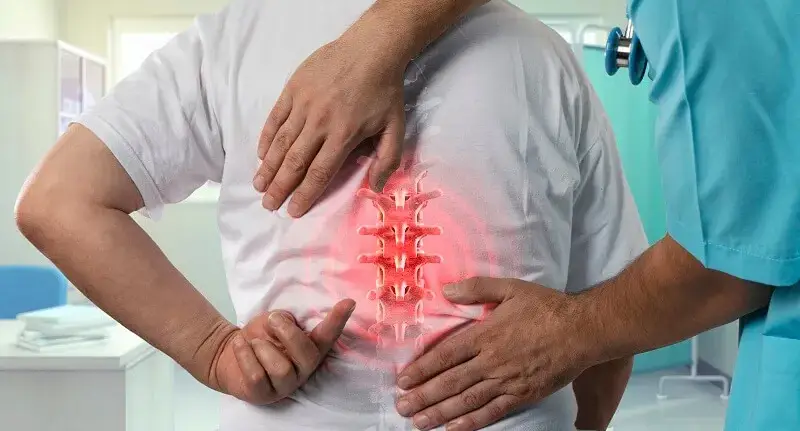





You stand up after a long drive and your lower back makes a quick pop. Or you stretch your neck in the morning and it cracks loud enough that you pause and wonder, “Is something wrong with my spine?” If you feel like your spine cracks all the time, you’re not alone—and most of the time, the sound is simply normal joint mechanics.
That said, cracking that is new, painful, tied to an injury, or paired with symptoms like numbness or weakness can be a clue that a joint, disc, or supporting soft tissue is irritated. This guide explains why your spine cracks so much, what’s typically harmless, what can signal a problem, and when it’s worth getting checked by a Los Angeles spine specialist.
What Spine Cracking Usually Means
The spine is built for motion. Each vertebra connects to the next through discs and small joints in the back of the spine called facet joints. These facet joints are surrounded by a capsule and lubricated by joint fluid, similar to other joints in the body.
Many common cracks and pops come from normal, non-damaging changes in pressure and movement inside or around those joints, including:
- Gas release in the joint (cavitation): Pressure changes in joint fluid can form tiny gas bubbles that rapidly collapse, creating a pop. This is similar to cracking knuckles.
- Tendons and ligaments shifting with motion: Soft tissues can slide over bony landmarks as you move and occasionally make a click or snap.
- First movements after being still: After sitting, driving, or sleeping, joints and muscles may feel stiff. The first few movements can be noisier as everything starts gliding again.
If the cracking is occasional, not painful, and not followed by lingering soreness, it’s usually considered a normal body sound rather than a sign that something is “out of place.”
Why It Often Happens After Sitting, Driving, or Waking Up
Many people notice the most popping during transitions: getting out of a car, standing up from a desk, or rolling out of bed. This pattern is common because stillness changes how your spine and surrounding muscles behave.
When you stay in one position for a long time:
- Joints can temporarily stiffen and move less smoothly at first.
- Postural muscles tighten (often in the neck, shoulders, hip flexors, and lower back).
- Body position affects joint loading (for example, slouching at a computer or looking down at a phone).
When you finally stretch or stand, your spine moves through a larger range again—and you may hear a series of pops as joints and soft tissues “re-seat” into normal motion.
When Spine Cracking Can Signal a Spine Problem
The sound itself is rarely the issue. What matters is whether the cracking comes with pain, inflammation, or neurologic symptoms—or whether it represents a clear change from your normal baseline.
Spine cracking may deserve closer attention when it’s linked to:
Muscle Tightness and Soft Tissue Irritation
Tight or fatigued muscles can change how your spine moves. When that happens, tendons and ligaments may pull differently across bony surfaces, leading to repeated snapping or popping. This is commonly felt with head turns, trunk rotation, or back extension.
While this can be benign, frequent uncomfortable popping can be a sign that your spine is compensating for reduced flexibility, weakness (often in the core or upper back), or poor movement patterns that can be improved with targeted care.
Arthritis and Cartilage Wear in Facet Joints
Facet joints are lined with cartilage so they can glide smoothly. Over time, cartilage can wear down due to age-related degeneration, prior injuries, or arthritis. When the joint surfaces don’t glide as cleanly, people may notice:
- More cracking or grinding sensations
- Stiffness, especially in the morning or after sitting
- Aching pain that worsens with certain movements
Not every crack means arthritis—but if the sound is paired with stiffness and localized pain, a specialist can help determine whether degenerative changes are contributing.
Cracking That Starts After an Injury
If cracking began after a fall, car accident, sports impact, or a sudden twist while lifting, pay closer attention—especially if pain persists. Injuries can strain muscles and ligaments, irritate facet joints, or—in more serious cases—cause fractures or instability.
If you’re trying to connect symptoms to a diagnosis, it can help to review common spine conditions that cause pain, stiffness, or nerve irritation.
Warning Signs That Should Prompt an Evaluation
Cracking alone is rarely urgent. The concern is cracking paired with symptoms that suggest inflammation, nerve compression, or injury. Consider scheduling an evaluation if you notice:
- Pain during the crack or pain that lasts afterward
- Swelling, warmth, or tenderness over a specific area of the spine
- A clear increase in frequency (it’s happening much more than it used to)
- Numbness, tingling, or weakness in the arms/hands or legs/feet
- Pain that radiates down an arm or leg
- Balance changes or new clumsiness
- Symptoms after an injury, especially a fall or car accident
If you have significant back pain after a fall—particularly if you have osteoporosis or were told you may have a vertebral fracture—ask about appropriate compression fracture treatment. Some fractures heal with bracing and time, while others may benefit from stabilization options based on imaging and symptoms.
What You Can Do If Your Back or Neck Cracks a Lot
If your spine cracks frequently but you don’t have red-flag symptoms, many people improve by changing the “inputs” that drive stiffness and strain: posture, strength, and daily movement.
Practical steps that often help include:
- Gentle mobility for the neck, upper back (thoracic spine), hips, and hamstrings—especially after long sitting
- Strengthening the core, glutes, and upper back to reduce stress on spinal joints
- Ergonomic adjustments (monitor height, chair support, steering wheel distance, pillow support)
- Activity modification if a specific motion reliably triggers painful popping
If you find yourself repeatedly “cracking” your neck or back to chase temporary relief, take it as a signal to step back and get guidance. A pop that helps for seconds but symptoms that return quickly can mean the underlying driver (joint irritation, muscle imbalance, or nerve irritation) hasn’t been addressed.
When symptoms persist despite conservative care—or when there are signs of a structural problem—a specialist may recommend further workup and a stepwise plan. For certain clearly defined issues, treatment can include targeted procedures or, when appropriate, minimally invasive spine surgery.
When Kyphoplasty May Be Part of the Conversation
Spine cracking is not, by itself, a reason to consider a procedure. But if your symptoms involve severe pain after a vertebral compression fracture—especially an osteoporotic fracture—your physician may discuss options to stabilize the bone and help reduce pain.
In select cases, kyphoplasty may be recommended. It is a minimally invasive procedure designed to stabilize a fractured vertebra. Whether it’s appropriate depends on factors such as the age of the fracture, imaging findings, your pain pattern, and your overall health.
Finding a Spine Specialist in Los Angeles for Concerning Cracking and Pain
Painless popping is usually just joint noise. But if your cracking is new, painful, tied to an injury, or accompanied by symptoms like radiating arm/leg pain, numbness, or weakness, getting a clear diagnosis can prevent months of guesswork and help you choose the safest next step.
At Yashar Neurosurgery, Parham Yashar, MD provides thorough spine evaluations with a focus on clear explanations and appropriate, stepwise treatment—starting with conservative options when reasonable and considering minimally invasive procedures or surgery when the diagnosis supports it.
If you’re looking for the best kyphoplasty surgeon in Los Angeles for a confirmed or suspected compression fracture—or you simply want a careful evaluation of painful back cracking—call (424) 209-2669 to schedule a consultation at 8436 W. 3rd Street, Suite 800, Los Angeles, CA 90048.